
Alphabet Stock Hits 5-Year High: How Google’s AI and Cloud Strategy Fueled a Historic Rally
2025-11-06
Why Alphabet’s stock is at a 5-year high — and what changed
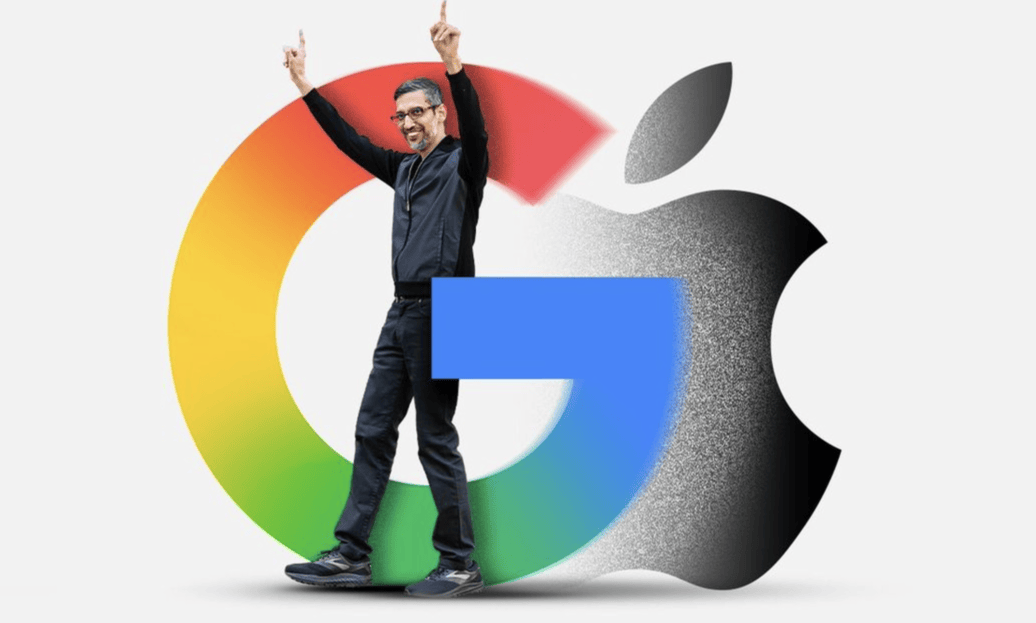
Alphabet’s shares have run higher in 2025 and recently hit multi-year/all-time highs after a sustained recovery that accelerated this year. That rally isn’t one single magic trick — it’s the result of four connected shifts: (1) AI product monetization, (2) a much faster Google Cloud pivot to AI infrastructure and large contracts, (3) resilient ad revenue (especially YouTube), and (4) investors’ greater willingness to reward heavy-capex growth to capture AI market share. Below I walk through the last five years (what went right and why) and finish with a data-driven, analyst-anchored view of how Wall Street expects the stock to close the year.
Quick headline evidence (what moved markets most recently)
Alphabet reported a record quarterly revenue quarter in Q3-2025 — >$100 billion — and profits rose sharply, driven by ads, YouTube and Google Cloud.
Google Cloud revenue grew ~34% YoY and the company’s cloud backlog jumped markedly, signaling multi-year enterprise AI contracts. Alphabet also raised full-year capex to $91–$93 billion to expand AI infrastructure.
Product & service rollouts — notably Gemini (AI), Gemini for Home, Veo video/creative AI features, Pixel 10 devices, and deeper Gemini integration across Search, Chrome and Workspace — are being cited by management and analysts as material growth enablers.
A five-year historical timeline (late-2020 → Nov 2025): what happened and why it matters
2020–2021: pandemic shock → ad rebound
2020 brought a sharp ad slowdown across digital platforms, followed by a fast rebound in 2021 as advertisers returned. Google’s core Search and YouTube ad engines re-accelerated once commerce and travel resumed. This set a revenue baseline Alphabet could build from. (context: industry ad trends; repeated in company reporting).
2022: margin pressure, investment in cloud & AI begins to accelerate
Competition and macro pressures showed up in margin compression and cautious guidance. Management increased investment in cloud infrastructure and R&D — moves that looked costly short-term but seeded later AI capacity.
2023: the AI watershed — Bard → Gemini
2023 was the turning point. Google launched Bard in early 2023 and then rolled its advanced model family (Gemini) into products by late-2023/early-2024. Google accelerated efforts to integrate generative AI across Search, Workspace and Ads after OpenAI/Microsoft surprised markets. That set the strategy: monetize AI at scale inside Google’s advertising and cloud franchises.
2024: rebranding, subscriptions and early monetization
Bard → Gemini rebrand and launch of paid tiers (Gemini Advanced / Google One AI Premium) pushed the narrative from “research” to “monetization.” Google began packaging Gemini features into Search, YouTube creator tools (Veo) and Workspace productivity features, sowing ad and subscription revenue paths.
2025: the AI + cloud monetization era — revenue pops, capex rises, investor re-rating
2025 (especially H1–H2) is when investors began to price in large, recurring enterprise contracts for Google Cloud (AI compute + services), stronger ad demand (AI-driven ad products and better targeting), and consumer monetization via Gemini apps and Pixel/Household integrations. Q3-2025 crossed a symbolic threshold — >$100B in quarterly revenue — and cloud growth exceeded expectations, causing the stock to re-rate higher. Management also announced much higher capex to build data centers/TPU capacity to secure AI compute supply, signaling long-term commitment.
What Alphabet did differently- A concrete operational shifts
Pivot from defensive R&D to explicit product monetization of AI
Instead of treating generative AI as a lab demo, Alphabet bundled Gemini into Search, Workspace and paid subscription tiers, and added developer/cloud APIs so enterprise customers pay for inference and fine-tuning. That converted AI work into identifiable revenue streams.
Secured enterprise AI demand via Cloud + TPU footprint
Google aggressively expanded AI compute and signed large multi-year cloud deals. The cloud backlog and multi-billion contracts show customers are paying for AI infrastructure, not just storage. That gives more durable topline growth than advertising alone.
Product integrations that increase monetizable engagement
Gemini for Home, Gemini in the Chrome and Pixel devices, Veo video-AI tools for creators and Shorts/YouTube ad formats increased user engagement and ad inventory quality. These are direct ambits for ad or subscription monetization.
Willingness to spend now to lock resources later
Management moved from conservative capex to very large AI infrastructure spending — raising capex guidance — which signaled to investors Alphabet expects long-term returns from owning the stack (chips, datacenters, software). That willingness reduced execution risk on AI supply constraints.
Regulatory/market tailwinds (temporary)
Certain regulatory developments and court/agency decisions in 2025 reduced immediate existential legal risks for parts of big tech, easing a regulatory overhang that had constrained valuations—this removed a headwind for a re-rating. (examples discussed by financial press).
Key product launches and features cited by markets (2023–2025)
Gemini (Ultra/Pro/Nano) — the family of multimodal models integrated into Bard/Gemini app, Search and Workspace, offering paid tiers (Gemini Advanced / AI Premium).
Gemini for Home — bringing assistant features to Nest/Home devices, expanding addressable subscription and hardware value.
Veo 3 / video AI for YouTube creators — easier video production and ad monetization tools.
Pixel 10 series & device AI features — on-device Gemini Nano capabilities improving handset differentiation and ecosystem lock-in.
TPU and AI infrastructure expansions — internal hardware (TPU) developments and partnerships to scale AI compute.
Financials that matter
Record quarterly revenue: Q3-2025 > $100B; strong EPS beats and YoY growth.
Google Cloud growth: ~+30–34% YoY with a much larger backlog of contracted revenue and more billion-dollar deals.
Capex jump: Full-year capex raised to $91–$93B to meet AI compute demand — markets interpret this as confidence in long-run AI monetization.
These three pieces — revenue milestone, cloud contract evidence, and capex commitment — together converted narrative into numbers, and that’s what drove the stock to new highs.
What analysts are saying
Analyst coverage is broadly positive but varied in magnitude. Recent aggregator snapshots show:
Consensus 12-month price targets clustered roughly $295–$310 (many sites report averages in the ~$295–$310 range), with individual targets ranging from low ≈ $185–220 to highs up to $350 (or in some outliers, higher). Consensus ratings skew Buy / Moderate Buy.
(Interpretation: Wall Street believes there is still upside from current levels but also shows dispersion — some worry valuation is rich relative to near-term earnings or that capex could compress margins if growth slows.)
How the stock might close the year — scenario view
I cannot guarantee a price — but combining company results, current price, and sell-side targets gives a practical scenario map for year-end 2025:
Base case (most likely single outcome according to consensus):
Year-end close ≈ $295–$315 (consensus-centric). This aligns with the 12-month averages from multiple analyst aggregators and assumes continued ad strength, continued high-teens/low-30s cloud growth, and no major macro shock. Probability: ~40–55%.
Bull case (AI monetization accelerates / Big contract wins / regulatory tailwinds):
Year-end close ≈ $330–$375 (or higher in optimistic outliers). This assumes sustained margin expansion from cloud + AI services, higher ad RPMs as AI improves targeting, and multiple positive re-ratings from major brokerages. Probability: ~15–25%.
Bear case (growth slows / capex weighs on margins / macro shock):
Year-end close ≈ $220–$270 if cloud deal timing slips, capex pressurizes free cash flow/earnings, or macro/market turmoil (rate shock) re-prices growth stocks. Probability: ~20–35%. Several analysts’ low targets and historical drawdowns support this bucket.
Why not a single exact number? Because outcomes depend on: (a) enterprise AI contract timing and size, (b) the pace of ad monetization improvements from generative AI, (c) macro sentiment on growth/valuation, and (d) regulatory/legal developments.
Key risks investors are watching
Execution on AI monetization — product adoption ≠ immediate revenue; timing matters.
Capital intensity — very high capex raises breakeven and increases sensitivity to slower growth.
Competition & pricing — Microsoft, Amazon, Anthropic and others compete on models and cloud pricing.
Regulatory/legal risks — antitrust or privacy rulings could limit product or ad features and affect valuation. (some recent decisions eased pressure, but the landscape is fluid).
Bottom line
Alphabet’s run to multi-year/all-time highs is not a single lucky day — it’s the market rewarding a company that shifted from churning out AI research to packaging and monetizing that AI across advertising, cloud and consumer/subscription products, while simultaneously locking up AI compute capacity. Q3-2025 revenue and cloud backlog numbers made the case tangible; increased capex signaled the company intends to own the stack. Analysts are mostly bullish but price targets vary; consensus implies moderate upside from current levels by year-end, with plausible bull and bear scenarios depending on execution, macro conditions and regulatory developments.

Stay updated with our latest news and articles. Join our newsletter!
Trending Now
No trending posts found.