China's Crackdown on Online Negativity: Implications for Youth, Economy & Global Policy
2025-10-09
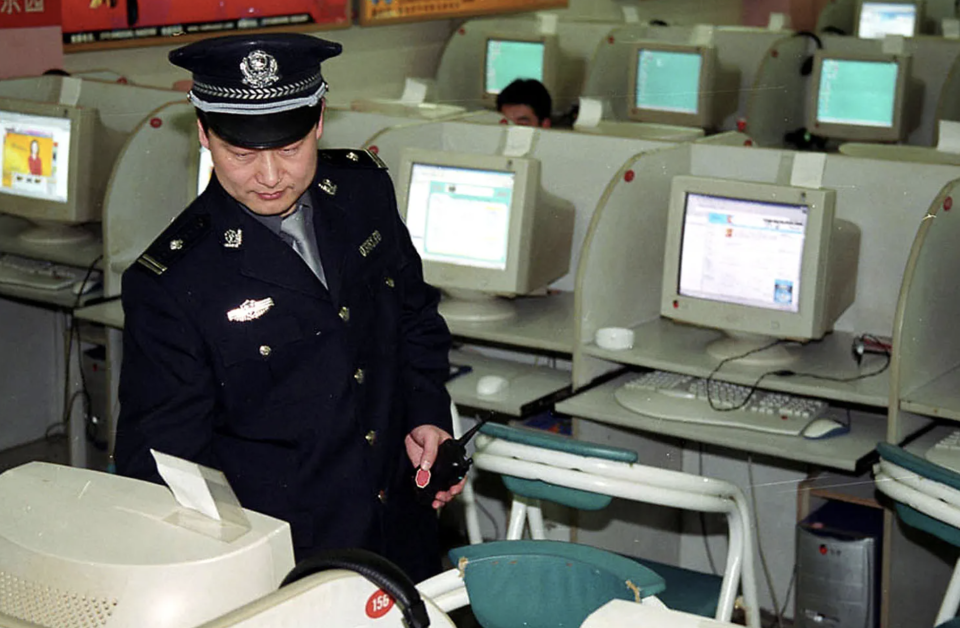
China has recently launched a major campaign to curb online negativity, pessimism, cynicism, and content deemed harmful to public morale. The Cyberspace Administration of China (CAC) is targeting posts, comments, and content on social media platforms that “maliciously misinterpret social phenomena,” exaggerate negative cases, or promote defeatist narratives like “hard work is useless.”
This crackdown comes amid economic headwinds, high youth unemployment, social discontent among younger generations, and a desire by state authorities to shape online sentiment.
Below are the underlying reasons, some use cases, how this impacts the economy, and what global audiences / governments might learn from China’s approach.
Why China Is Doing This
Economic slowdown & social pressure
China has been facing lower growth in manufacturing, a property crisis, rising youth unemployment (nearly 18.9% for those aged ~16-24 excluding students), and weakening consumer confidence. These correlate with more online expressions of despair or “lying flat” lifestyles among youth.Concerns about social stability and public trust
Negative commentary or pessimistic views online are seen by authorities as potentially fueling unrest, collective anxiety, or weakening national unity and morale. By controlling negative narratives, the government seeks to reinforce stability, avoid panic, and maintain trust in public institutions.Ideological / political control
Maintaining a narrative consistent with state goals (e.g. patriotic optimism, social cohesion, support for official policy) is a long-standing priority. Crackdowns on cynicism allow the state to steer public discussion away from criticism or despair, which could undermine confidence in governance.Online platforms & content recommendation oversight
According to Reuters Chinese regulators are also concerned with how algorithms, trending topics, comment sections, and short-video or livestream content amplify negativity or conspiratorial narratives. Platforms are being held responsible for curating or removing such content.
Use Cases / Examples
Removal of content or banning of accounts that promote “lying flat” or “let it rot” lifestyles among youth.
Platforms being punished for allowing “negative narratives” to trend or for failing to moderate comments or content that exaggerate individual negative cases.
Deleting videos or accounts that express that studying, hard work, or effort is useless. Pessimistic rhetoric about education or future prospects is targeted.
Crackdowns on “economic rumors,” “fabricated information,” or distorted narratives that may erode consumer confidence or create social panic.
Impact on China’s Economy & Society
Consumer confidence & consumption: By suppressing negative economic commentary, the state aims to boost confidence among citizens, encouraging consumption and investing, both of which are vital for domestic demand. However, critics say that unless underlying economic issues are addressed, censorship may only mask problems temporarily.
Youth morale, labour force & productivity: Young people overwhelmed by economic pressures may feel disenfranchised. If the public perceives that no matter what effort brings no reward, motivation and productivity may suffer. The crackdown tries to counter that.
Digital & platform regulation cost: Social media platforms must invest more in content moderation, compliance mechanisms, algorithmic oversight, and perhaps staffing to monitor comment sections, live streams. These add direct costs to tech firms.
Reputation, foreign investor perceptions: While controlling sentiment may help locally, overly strict censorship / suppression of free speech may hurt how international investors view transparency or risk in China. This may affect capital inflows, foreign partnerships, tech innovation.
Social trust and legitimacy: If people believe that official narratives hide real problems or that dissent is silenced beyond reason, legitimacy can erode in the long run. Public trust depends not just on what is said, but on whether grievances are addressed materially, not just rhetorically.
What Other Countries Can Learn
If a country is trying to grow fast or compete with China, here are some lessons — both positive and cautionary — from this initiative:
Managing public sentiment matters
A growing economy doesn’t just need good macro numbers; it needs trust, optimism, and consumer confidence. Governments might consider ways to improve public discourse, reduce rumor & speculation, and maintain morale especially during downturns.Striking a balance between regulation and freedom
Too much suppression may backfire: people may distrust official channels, seek alternative forums, or underground criticism. Allowing constructive criticism can help diagnose issues, while blanket censorship might hide problems.Transparency & addressing root causes
If issues like unemployment, inequality, education, cost of living are causing pessimism, merely regulating speech doesn’t solve them. Effective policy must be combined: job creation, social safety nets, economic reforms, educational opportunities.Digital platform responsibility & content regulation framework
Proper regulation of algorithms, content moderation, misinformation, and rumor control can help maintain social stability. However, regulation should be clear, consistent, with fair oversight, avoiding arbitrary or heavy-handed censorship that stifles innovation.Communication & narrative strategy
Governments or institutions can actively build positive narratives, campaigns around collective benefits, stories of progress, success, social cohesion. It can help offset negativity without imposing bans.Risks of excess suppression
Suppressing legitimate criticism may suppress innovation, weaken feedback mechanisms, and lead to latent dissatisfaction. Especially for fast-growth economies, creative dissent and criticism are valuable.
Conclusion
China’s crackdown on online cynicism and negativity is part of a broader strategy to preserve social stability, maintain public confidence, and prevent online discourse from exacerbating economic anxieties. It reflects real challenges: slowing growth, unemployment, widening social discontent among youth. While the measures may deliver short-term gains in public sentiment, the long-term effects will depend heavily on whether the underlying causes are addressed.
For other nations aiming for rapid growth, it’s a powerful example of how narrative & sentiment are tools in governance — but also a cautionary tale about what happens if speech regulation outpaces structural economic reforms.
FAQs
What exactly is China targeting in its online crackdown?
China is targeting content that promotes pessimism, hostility, defeatist narratives (e.g. “hard work is useless”), economic rumors, sensational conspiracy theories, or content that amplifies negativity and social despair.Which platforms are most affected?
Platforms like Weibo, Kuaishou, Xiaohongshu, short video, livestreaming platforms and social media apps where trending content, comment sections, or algorithm-based recommendations are involved.When did this crackdown begin and for how long?
The major campaign was announced around September 2025 and is slated as a two-month national campaign.What economic conditions prompted this move?
Key factors include a property market crisis, slowing growth, high youth unemployment (~18.9 %), declining consumer confidence, and anxiety about education and job prospects.How do these regulations impact freedom of speech / online expression?
There is a risk that legitimate critique, satire, or dissent may be swept up by broad rules. Users may self-censor. Some analysts believe censorship may reduce transparency and suppress important voices.What immediate effect can this have on consumer behaviour?
If public sentiment is made more optimistic via suppression of negative content, it could lead to increased consumption, more investment, higher trust. But the effect may be temporary unless supported by economic improvements.Does this campaign affect international perception of China?
Yes. While it may help project an image of control and stability, international investors, rights groups, and global media may perceive this as repression of free speech. That might affect perceptions of risk, openness, innovation.Are there any historical precedents?
China has long had internet regulation: censorship of politically sensitive content, regulation of content that threatens social harmony. The Great Firewall, content moderation laws, and frequent regulatory interventions are in this tradition.Can this policy backfire?
Possibly. Discontent may be pushed underground, expressions of cynicism may shift to more obscure platforms, trust in official narratives may decline. Suppression without addressing root issues could lead to instability rather than cohesion.What should other countries aiming for fast growth or competing with China consider doing (or avoid)?
Encourage transparent governance and open channels for feedback
Tackle economic challenges directly (jobs, wage growth, inequality)
Use regulation judiciously; avoid over-broad censorship
Invest in digital literacy, platform accountability, fact-checking
Cultivate narratives of optimism but grounded in real progress

Stay updated with our latest news and articles. Join our newsletter!
Trending Now
No trending posts found.