Global Oil Prices Surge Above $100 in 2026 Amid Strait of Hormuz Crisis
2026-03-13
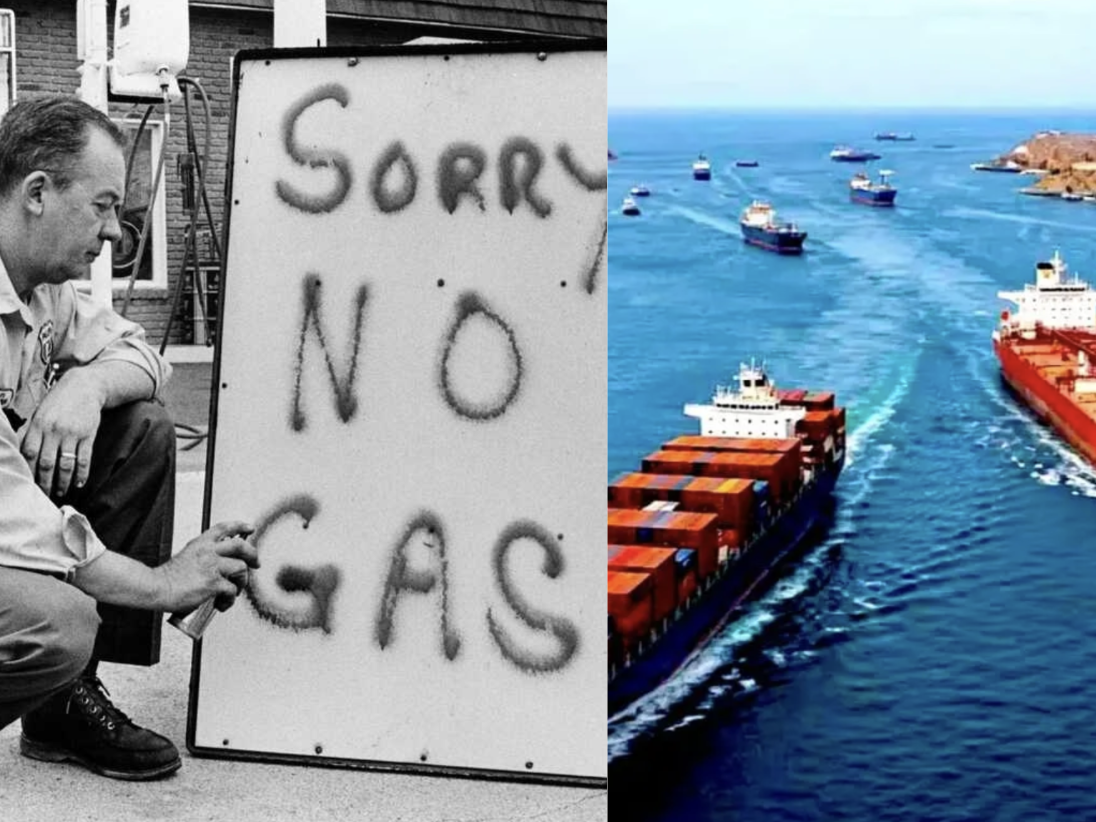
The global oil price surge above $100 per barrel in 2026—driven by escalating Middle East conflict and disruptions around the Strait of Hormuz—is becoming one of the largest energy shocks in decades. Analysts say it has already removed around 10 million barrels per day from global supply, the biggest disruption in oil market history.
Since roughly 20% of the world’s oil flows through the Strait of Hormuz, attacks on ships and infrastructure have triggered price spikes, market volatility, and rising inflation risks worldwide.
Below is a complete breakdown of the global economic effects, industries impacted, and how business leaders and economists are responding.
Immediate Global Economic Effects
1. Energy Prices Surge Worldwide
Oil above $100 quickly translates into higher prices across the entire energy system.
Effects include:
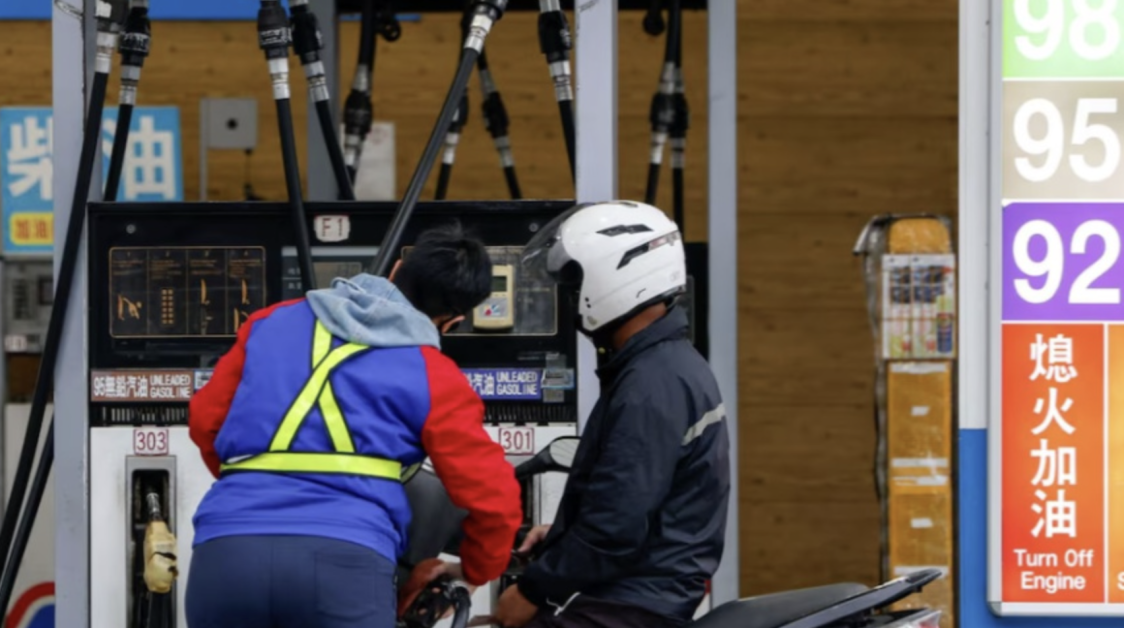
Rising gasoline and diesel prices
Higher electricity costs
Increased heating and transportation fuel prices
Higher crude prices push up the cost of refined fuels and freight, driving inflation across global supply chains.
2. Inflation Risk Returns
Economists warn that sustained oil prices above $100 could push global inflation back up sharply.
Possible outcomes:
Global CPI inflation could reach ~5.8% in worst-case scenarios.
Food and transport costs rise.
Household spending power declines.
This threatens the post-pandemic inflation recovery many economies were finally achieving.
3. Stock Market Volatility
Energy shocks historically trigger major swings in financial markets.
Recent market reactions include:
Global stock markets falling 1–2% in a single day.
U.S. indices like the Dow dropping hundreds of points amid the crisis.
Investors moving toward safe assets such as gold and government bonds.
4. Risk of Stagflation
Economists fear a 1970s-style stagflation scenario:
Stagflation = high inflation + slow economic growth.
Why this is dangerous:
Rising costs hurt consumers.
Businesses reduce hiring and investment.
Central banks struggle to cut interest rates.
Economists warn that if oil remains high for months, it could slow growth in Europe, Japan, and parts of Asia.
Industries That Will Be Hit Immediately
1. Aviation
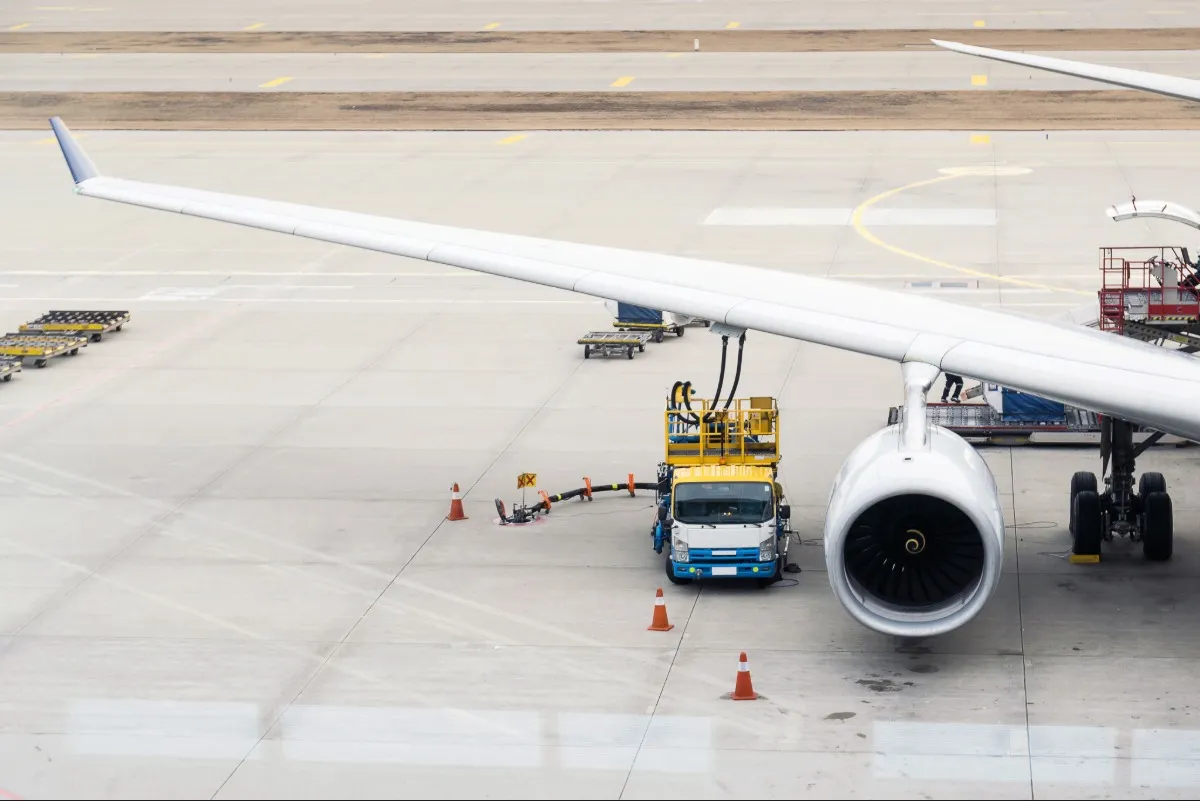
The airline industry is the most sensitive to oil price spikes.
Reasons:
Aviation fuel accounts for 35–40% of airline operating costs.
Rising oil increases Aviation Turbine Fuel (ATF) prices.
Immediate impact:
Airline stocks falling.
Ticket prices rising.
Reduced profitability.
Some analysts estimate major airlines could face billions in additional fuel costs.
2. Transportation & Logistics
Shipping, trucking, and logistics companies depend heavily on diesel fuel.
Immediate effects:
Higher freight rates
Increased delivery costs
Supply chain disruptions
This will directly affect global trade and e-commerce pricing.
3. Automotive Industry
Car manufacturers are affected in two ways:
Production costs increase due to higher energy prices.
Consumers shift toward fuel-efficient or electric vehicles.
Fuel-sensitive auto stocks have already seen selling pressure in markets.
4. Chemicals and Manufacturing
Oil is not just fuel—it is also a core industrial input.
Affected sectors include:
plastics
petrochemicals
fertilizers
packaging
Higher oil means higher raw material costs, which ripple across manufacturing.
5. Food and Agriculture
Oil affects food prices through:
fertilizer production
farm machinery fuel
transportation
Economists warn this could increase global food inflation, especially in import-dependent countries.
6. Emerging Markets
Countries heavily dependent on imported oil face the biggest risk.
Examples include:
India
Turkey
Pakistan
Indonesia
Some economies import 80–90% of their oil, making them extremely vulnerable to price spikes.
Industries That May Benefit
Energy crises also create winners.
1. Oil & Gas Companies
Major oil producers benefit from higher prices.
Examples:
Saudi Aramco
ExxonMobil
Chevron
BP
Shell
Higher prices mean higher profits and government revenues.
2. Renewable Energy
The crisis may accelerate investment in:
solar power
wind energy
hydrogen
nuclear power
Energy shocks historically speed up the transition away from fossil fuels.
3. Defense Industry
Military spending increases during geopolitical conflicts.
Companies involved in:
missile defense
naval protection
cyber defense
often see increased contracts.
What Key Business Leaders Are Doing

Image: French President Emmanuel Macron
Major corporations are already reacting.
1. Airlines
Airlines are:
Hedging fuel prices
Increasing ticket prices
Cutting unprofitable routes
Fuel hedging contracts are being renegotiated rapidly.
2. Energy Companies
Oil companies are:
Increasing production where possible
Redirecting supply routes
Using strategic reserves
Some countries are releasing oil from strategic petroleum reserves to stabilize markets.
3. Shipping Companies
Shipping firms are:
Rerouting vessels away from high-risk areas
Increasing insurance premiums
Charging emergency freight surcharges
4. Multinational Corporations
Large corporations are:
increasing inventory stockpiles
locking long-term energy contracts
shifting supply chains
Many companies learned from COVID-era supply chain shocks.
What Economists and Financial Advisors Are Saying

Dr Salameh: food prices could rival, if not exceed, those of crude oil in the future.
Economist Warnings
Economic analysts say the duration of the conflict is the key variable.
Possible scenarios:
Short conflict (1–2 months)
Temporary inflation spike
Markets recover
Medium conflict (3–6 months)
Slower global growth
higher inflation
Long conflict (1+ year)
Global recession risk
Financial Advisor Recommendations

Image: Rachel Reeves delivers inflation warning amid US-Iran war
Many financial advisors are advising investors to:
1. Diversify into Energy Stocks
Energy companies often outperform during oil shocks.
2. Hold Inflation Hedges
Examples include:
commodities
gold
energy ETFs
3. Reduce Exposure to Fuel-Heavy Sectors
Especially:
airlines
cruise companies
logistics companies
Countries Most at Risk
Countries that import large amounts of oil will face the greatest economic pressure.
Examples:
India
Japan
South Korea
China
Asia receives the majority of oil exported through the Strait of Hormuz, making the region highly exposed to supply disruptions.
Worst-Case Scenario: Oil at $150–$200
Some analysts warn that if the Strait of Hormuz remains blocked, oil prices could rise far higher than $100.
Predictions include:
$140 oil triggering economic contractions
$150–$200 oil in extreme scenarios
That could trigger:
global recession
widespread inflation
severe supply shortages
Final Outlook
The 2026 oil price shock is rapidly becoming a defining global economic event.
Key takeaways:
Oil above $100 per barrel signals serious supply disruption.
Energy costs will likely drive global inflation higher again.
Fuel-intensive industries like airlines, logistics, and manufacturing will feel the impact first.
Energy producers and renewable companies may benefit.
The biggest risk is stagflation, where economic growth slows while prices keep rising.
The ultimate economic impact depends on how long the Middle East conflict disrupts global oil supply.
By Tommy Thounaojam- Editor Micromunch

Stay updated with our latest news and articles. Join our newsletter!
Trending Now
No trending posts found.