
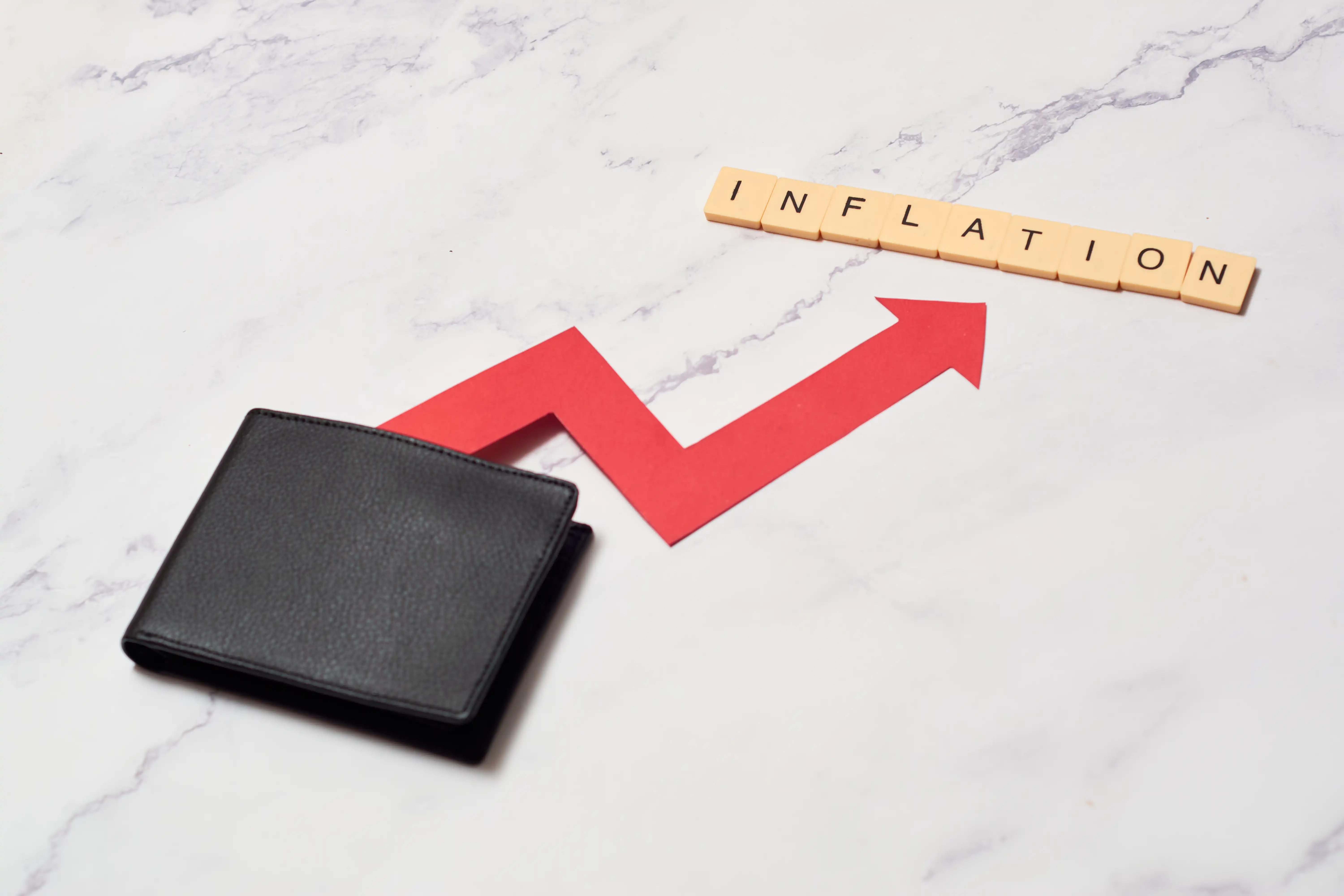
How Inflation Trends Are Shaping Everyday Spending in Today’s Economy
2025-09-09
In 2025, inflation continues to play a significant role in shaping consumer spending habits. While inflation rates have moderated compared to the spikes seen in recent years, they remain above long-term historical averages. This sustained inflation affects the cost of essentials such as food, housing, energy, and healthcare, often rising faster than wage growth across many industries. As a result, households are adjusting their budgets, altering spending priorities, and adopting new strategies to maintain financial stability.
Rising Costs of Essentials
The most direct impact of inflation is seen in the prices of everyday essentials. Food prices, driven by ongoing supply chain disruptions and increased energy costs, remain elevated. Housing costs, including rents and mortgage payments, have continued upward due to tight supply and rising construction expenses. Energy prices, influenced by geopolitical factors and demand shifts, also contribute significantly to household bills. Healthcare expenses, already a major budget component, are rising steadily due to inflationary pressures on medical supplies and services.
Because these categories consume a large share of household income, many consumers find themselves spending more just to maintain their basic living standards. This squeeze leaves less room for discretionary spending and forces consumers to reevaluate their priorities.
Changing Consumer Priorities
With essentials taking up more of their budgets, consumers are cutting back on non-essential spending. Dining out and entertainment subscriptions have declined as more people choose to cook at home and limit discretionary purchases. Travel plans, luxury goods, and personal services like spa visits or fitness memberships are also being reconsidered or postponed.
Value shopping has gained momentum. Discount retailers, warehouse clubs, and private-label brands see increased patronage as consumers look for affordable alternatives. Bulk buying and purchasing in-store sales or clearance items have become more common tactics to stretch budgets. Additionally, many shoppers are using digital tools such as price comparison websites, cashback apps, and budgeting software to maximize savings.
Business Responses to Inflationary Pressures
Retailers and service providers have adapted by revising pricing strategies and marketing approaches. Promotions and loyalty programs are more frequent, aimed at attracting cost-conscious customers. Flexible payment options like “buy now, pay later” plans help consumers manage cash flow amid rising prices.
Some companies are also emphasizing value-added experiences or bundling services to provide more perceived benefit for the price. For instance, entertainment venues might combine tickets with concessions, or fitness centers may offer package deals to maintain customer loyalty despite inflation-driven cost increases.
The Role of Technology and Alternative Consumption
Technology plays a key role in how consumers respond to inflation. Mobile apps enable easy price comparisons and track spending in real time. Social media and online communities facilitate sharing of money-saving tips and highlight alternatives such as secondhand shopping, upcycling, and repair culture. These trends reflect a broader shift toward more sustainable and cost-effective consumption patterns influenced by ongoing economic pressures.
Long-Term Financial Adjustments
Inflation also impacts savings and investment behaviors. Many households prioritize building emergency funds and reconsider retirement contributions, balancing the need to save against higher daily expenses. Investment preferences are shifting toward assets perceived as inflation hedges, such as real estate or commodities.
At the macro level, central banks continue to monitor inflation carefully. Persistent inflation can prompt interest rate hikes to cool price growth, affecting borrowing costs for mortgages, auto loans, and business financing. These higher costs influence both consumer spending capacity and corporate investment decisions, reinforcing the need for financial adaptability.
Inflation trends in 2025 are shaping everyday spending by increasing the cost of essential goods and services, prompting consumers to adjust their budgets and seek value. Businesses must respond with pricing strategies and customer engagement tailored to a more cost-conscious market. Technology and changing cultural attitudes also support smarter and more sustainable spending habits.
Staying informed and adaptable remains crucial for both consumers and businesses navigating the evolving inflation landscape. Understanding these trends helps individuals protect their financial health and allows companies to better meet changing demands in today’s economy. MicroMunch provides up-to-date financial and business insights to help you make smarter economic decisions.

Stay updated with our latest news and articles. Join our newsletter!
Trending Now
No trending posts found.


