
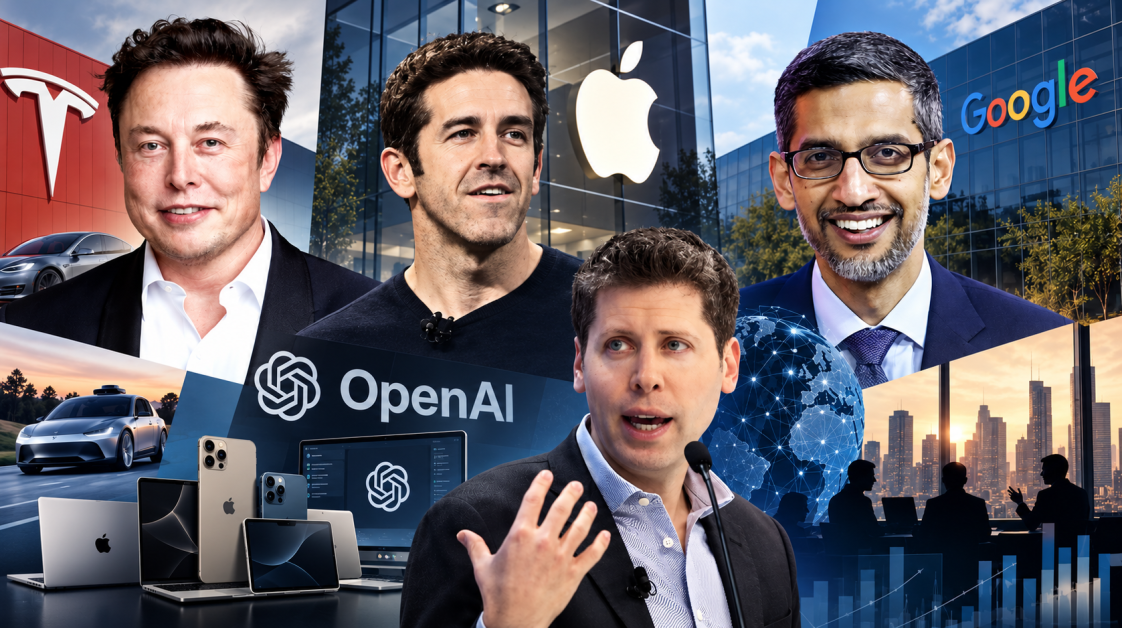
Sam Altman Earns $76,000 a Year: How Is He a Billionaire?
2026-09-17
Sam Altman Earns $76,000 a Year. So How Is He a Billionaire?
Sam Altman runs one of the most important technology companies in the world, yet his salary from OpenAI is remarkably ordinary.
The company's CEO has said he owns no equity in OpenAI and earns roughly $76,000 a year for his role. Yet Forbes estimates Altman's fortune at around $3.3 billion. That raises an obvious question: if Sam Altman isn't getting rich from OpenAI, where does his money come from?
The answer also explains something that is frequently misunderstood about the world's richest CEOs and business leaders. Their wealth is rarely built through salary.
It is built through ownership.
Sam Altman Doesn't Need OpenAI Stock to Be Rich
Altman's unusual compensation arrangement is easier to understand once his career before OpenAI is considered.
Long before ChatGPT turned him into one of the most recognizable figures in technology, Altman was an entrepreneur, investor and president of Y Combinator. His fortune has been built largely through investments in other companies.
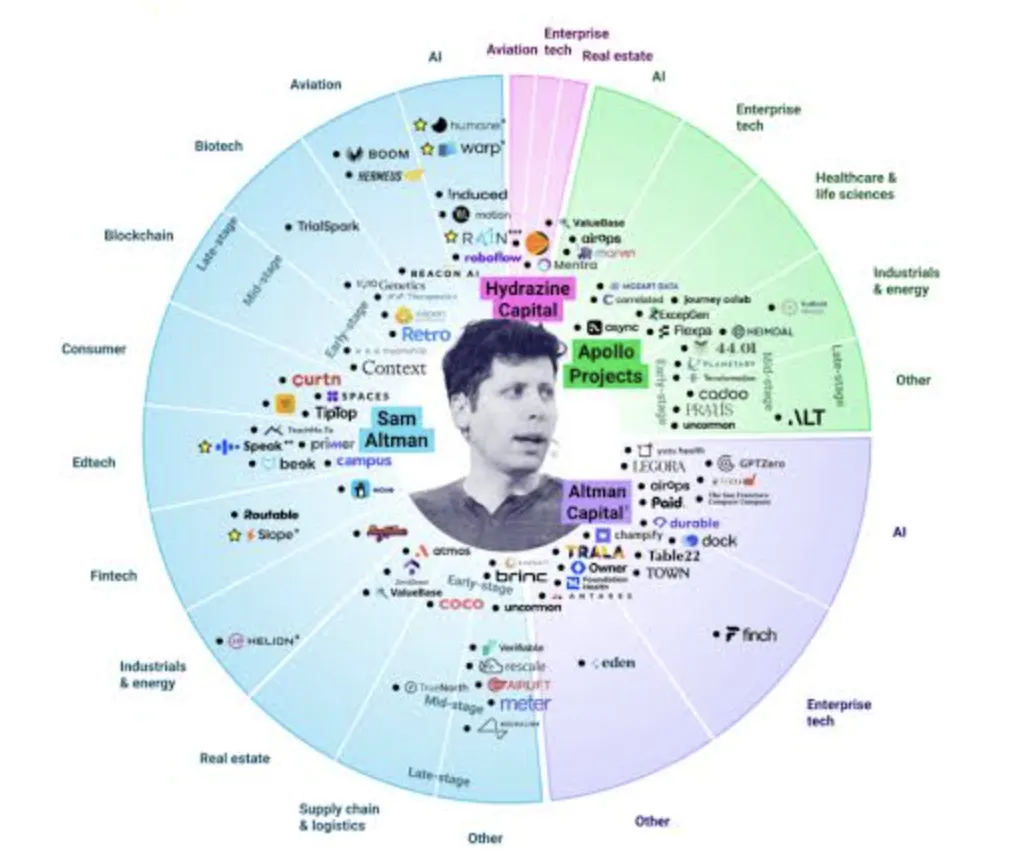
His portfolio has included stakes in companies such as Stripe, Reddit and Helion, among others. Reports have also identified investments in companies including Retro Biosciences and a large number of startups backed through his investment activities. So while OpenAI created Altman's global profile, it is not necessarily the asset creating his fortune. That distinction is important.
Salary pays you. Equity makes you wealthy.
Why the $76,000 Number Is So Misleading
A $76,000 annual salary sounds bizarre when the person receiving it runs a company valued in the hundreds of billions.
But salary is only one form of compensation — and, for wealthy entrepreneurs, often not the most important one. Imagine someone earning $1 million a year but owning nothing that appreciates in value Now compare that with someone earning $100,000 but owning 10% of a company that increases in value by $1 billion. The first person has a bigger paycheck.
The second person just became $100 million richer on paper. That is the basic mathematics behind much of Silicon Valley wealth.
Altman happens to sit on the second side of that equation.
So Why Do Media Reports Call Him a Billionaire?
Because net worth is not the same thing as annual income.
When Forbes estimates Altman's wealth at roughly $3.3 billion, it is calculating the estimated value of his assets and investments, rather than saying he has $3.3 billion sitting in a bank account. If a company in which Altman owns shares becomes more valuable, his estimated net worth can rise without OpenAI increasing his salary by a single dollar.
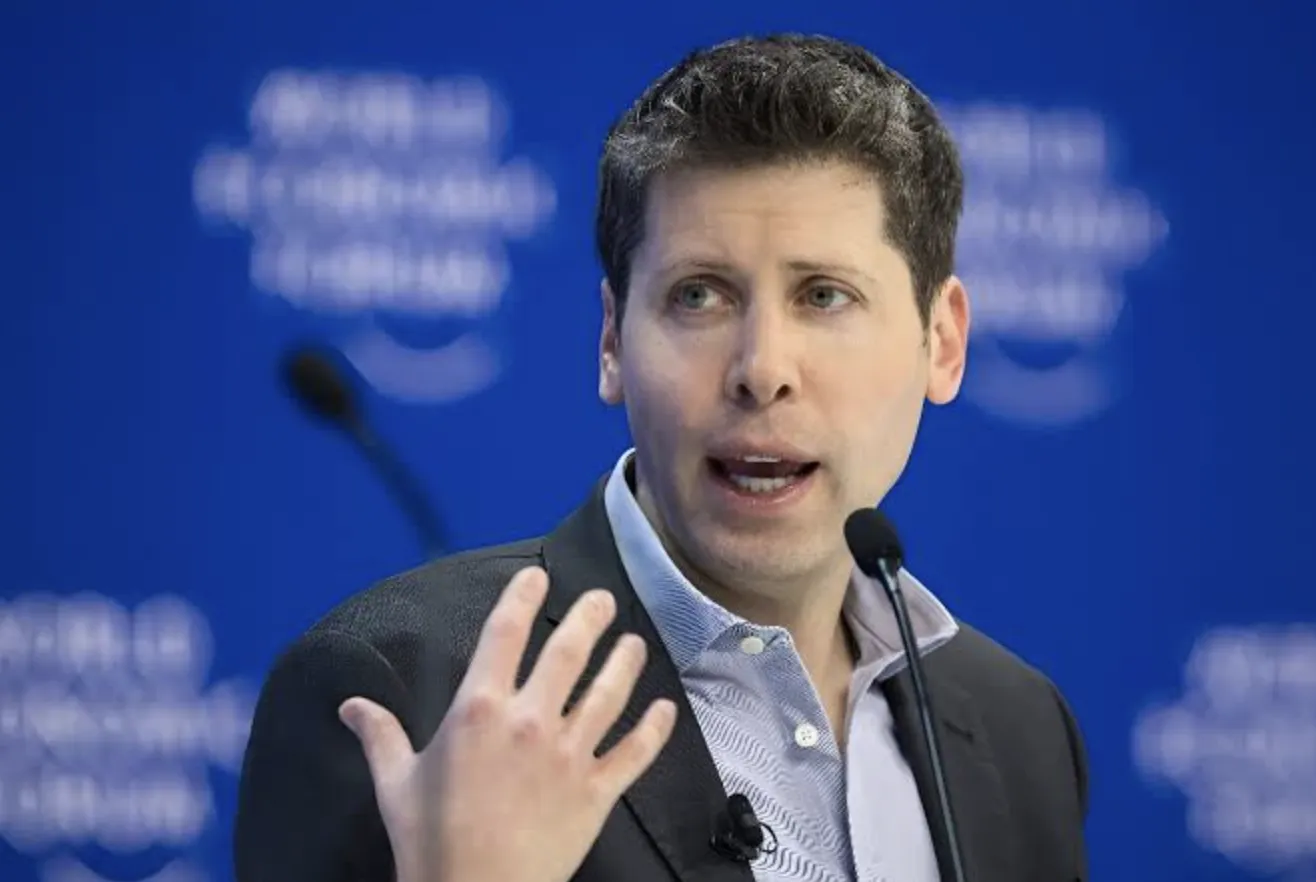
The reverse is also true. Private-company valuations can fall. Public stocks can decline. Investments can fail. Billionaire wealth can therefore move dramatically without the person receiving anything resembling a traditional salary increase.
This is why headlines about billionaire salaries can sometimes obscure the real story.
Apple Shows How the System Works
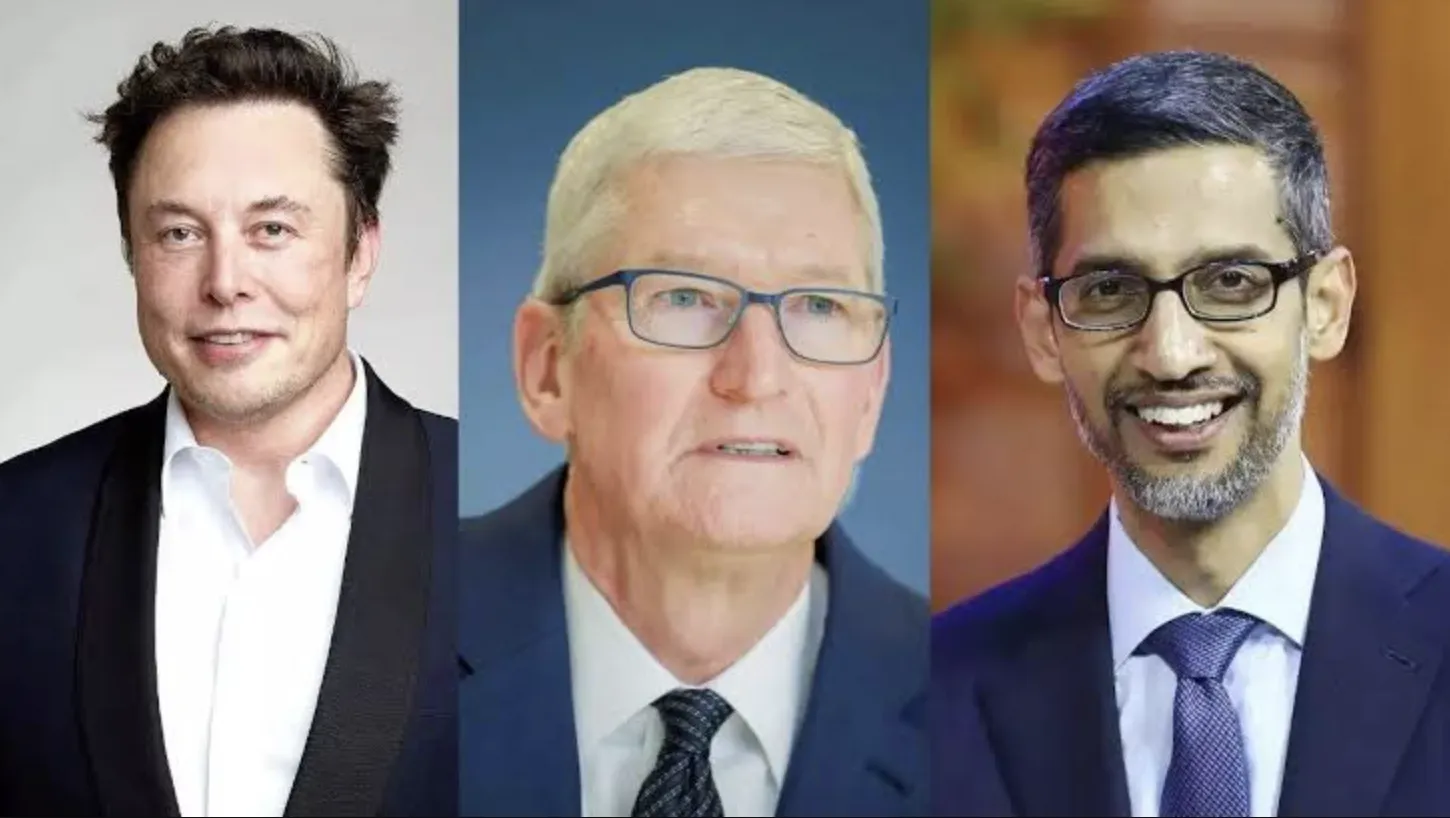
The same principle can be seen at Apple, although through a very different structure. Apple's new CEO John Ternus has an annual base salary of $3 million.
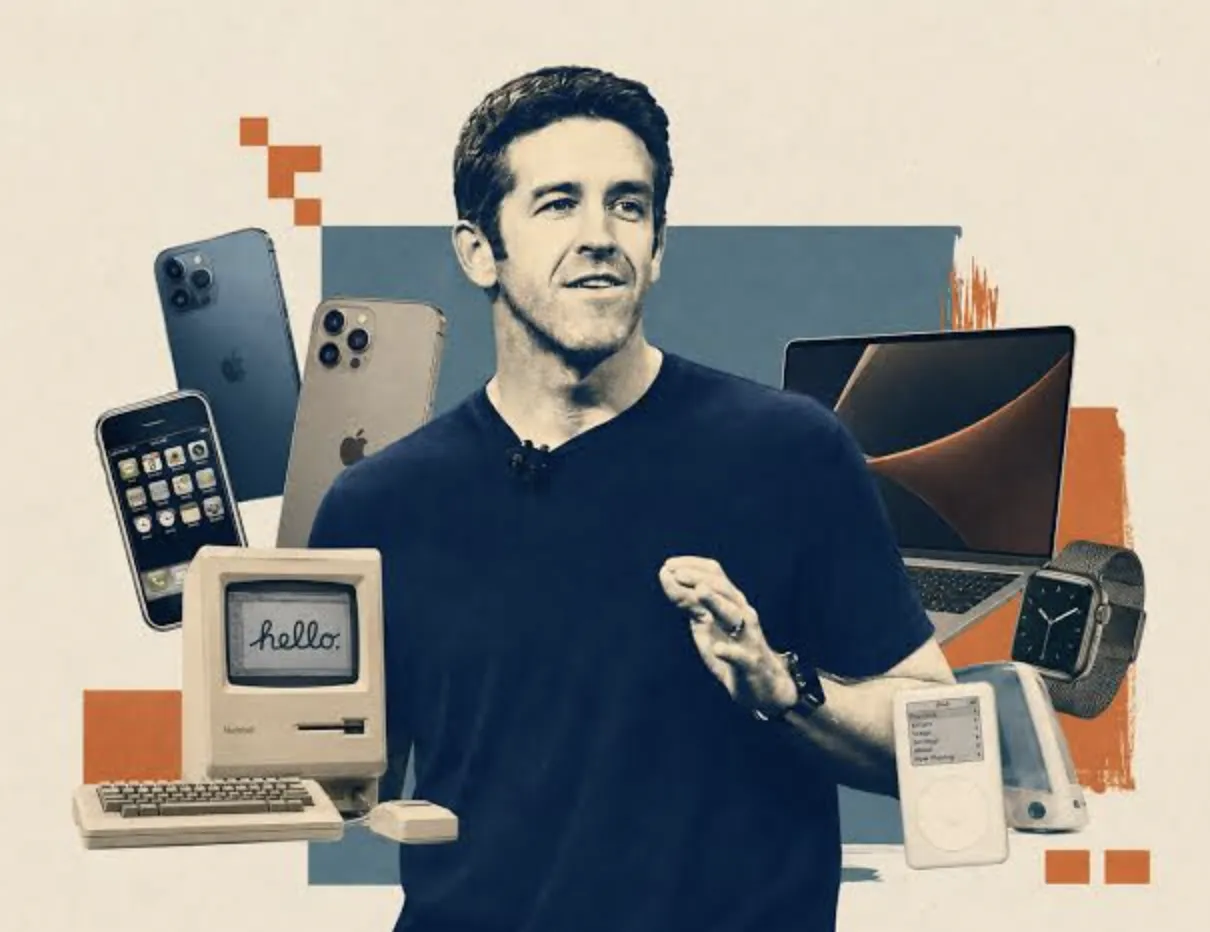
That is a huge salary by normal standards, but surprisingly small relative to the size of the company he now runs.
The interesting number is the stock. Apple has targeted a $55 million stock award for Ternus for fiscal 2027, putting his target compensation at roughly $58 million before considering how the award ultimately performs. About 75% of that stock award is performance-based, while the remaining 25% is time-based.
So saying “Apple's CEO earns $3 million” tells only part of the story. The larger incentive is tied to Apple's stock and performance.
And that is exactly how America's biggest companies generally align CEO pay with shareholder interests.
The CEO Salary Is Often the Least Interesting Number
For executives at the very top of the corporate ladder, compensation normally comes in several forms. There is the base salary — guaranteed cash for doing the job.
Then there can be annual bonuses based on financial or operational targets. And then there is stock compensation, which can include restricted shares, performance shares and stock options.
That final category can become enormous. A CEO might receive a few million dollars in cash but tens of millions of dollars in stock.
If the company's value rises, the executive's wealth can rise with it. If performance targets aren't met, some of that potential compensation may never materialize.
This is why companies often prefer equity-heavy compensation packages. The CEO is effectively being asked to bet part of their future wealth on the company's future performance.
Tim Cook Is Another Perfect Example
Tim Cook's transition from Apple CEO to executive chair provides another useful comparison.
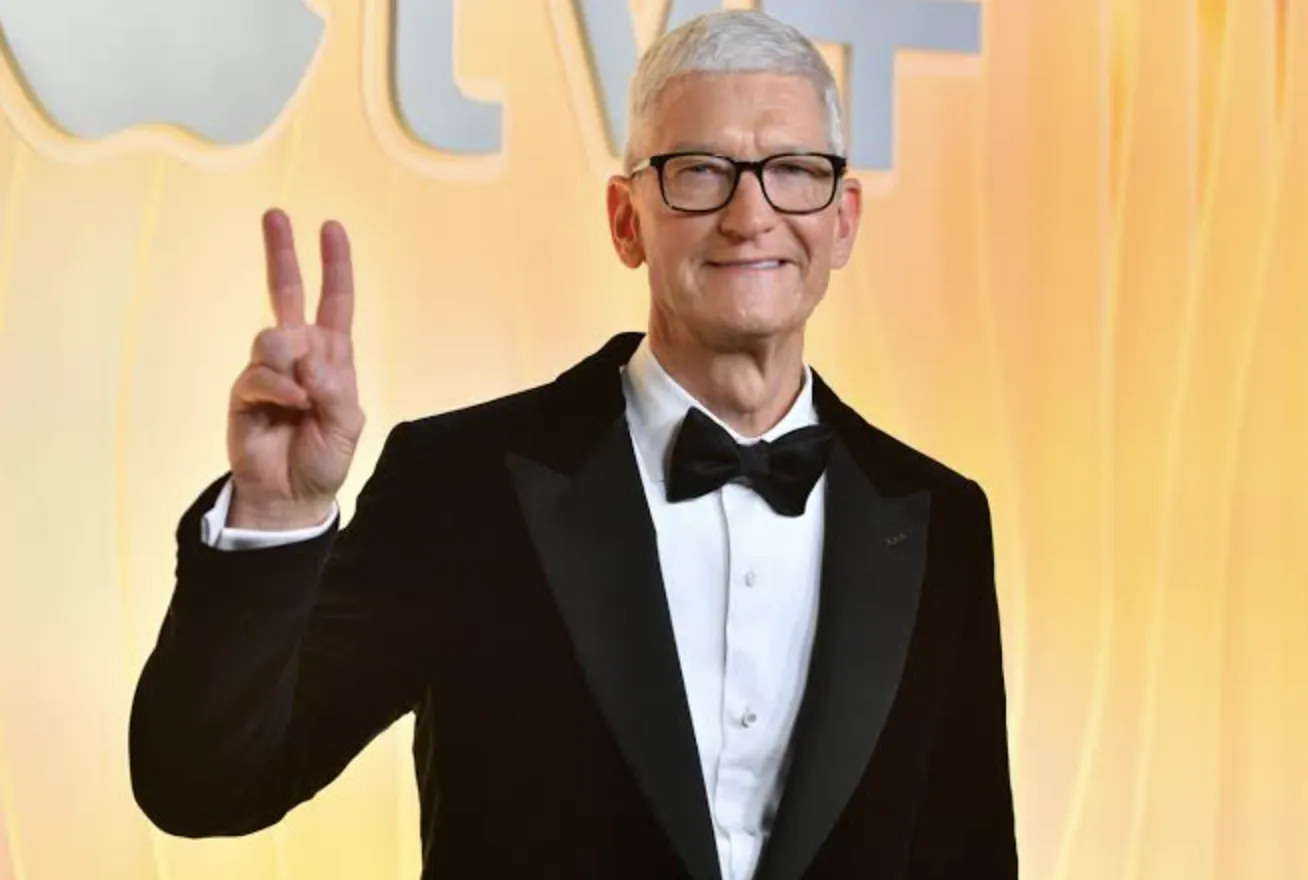
Cook's 2025 compensation exceeded $74 million, but his base salary was only $3 million. The majority came from stock awards and other compensation. Now that he is executive chair, Apple's disclosed 2027 package gives Cook a $2 million salary and $45 million stock award. Again, the salary is almost irrelevant when compared with the value of the equity component.
And this is the key to understanding why CEOs of companies worth trillions of dollars do not necessarily receive giant salaries. Their financial upside is connected to ownership and company performance.
Elon Musk Takes It to Another Extreme
Elon Musk represents the extreme end of this model.
His wealth is overwhelmingly connected to ownership stakes in companies rather than conventional salary income. Tesla's reported 2025 compensation award for Musk was valued at around $132.3 billion at grant-date value, according to Equilar and the Associated Press. It was structured around long-term stock incentives and extremely ambitious performance targets rather than a conventional paycheck.
That number can sound absurd until you understand what it represents. It isn't Musk receiving $132 billion in cash. It is compensation linked to shares and performance conditions that could become extraordinarily valuable if the targets are achieved.
This is a fundamentally different mechanism from earning a $10 million annual salary.
Also Read:Tesla Cybercab Launch: Autonomous Robotaxi Future, Challenges & Roadblocks
The Richest People Usually Own Something
This is the real dividing line between being highly paid and becoming extremely wealthy.
A highly paid executive earns a lot. A wealthy entrepreneur owns a lot. That ownership could be a founder's stake in a company, shares accumulated through years of employment, private investments, venture capital holdings or stock received as executive compensation. And because businesses can grow exponentially, ownership can produce wealth on a scale that salary cannot easily match.
If someone earns $10 million a year, they need to keep earning it for decades to accumulate a billion dollars before taxes and spending. Someone who owns a meaningful percentage of a rapidly growing company can potentially gain a billion dollars in paper wealth in a single year.
That is the power of equity.
CEOs Aren't Necessarily the Richest People in Their Companies
There is another interesting consequence.
The person running the company isn't necessarily the person who owns the most of it. A CEO can be extremely well compensated while founders, early investors and major shareholders become dramatically wealthier. That's because corporate leadership and ownership are different things.
Altman demonstrates this particularly well. He is one of the most recognizable people in AI and runs OpenAI, but his reported fortune is built largely outside OpenAI. Meanwhile, the founders and early shareholders of successful technology companies can become enormously wealthy without ever becoming CEOs.
Why CEOs Accept “Small” Salaries
There is also a practical reason boards prefer this structure.
Shareholders generally want executives to have a financial incentive to increase the company's long-term value. A $3 million salary arrives regardless of whether a company's stock rises or falls.
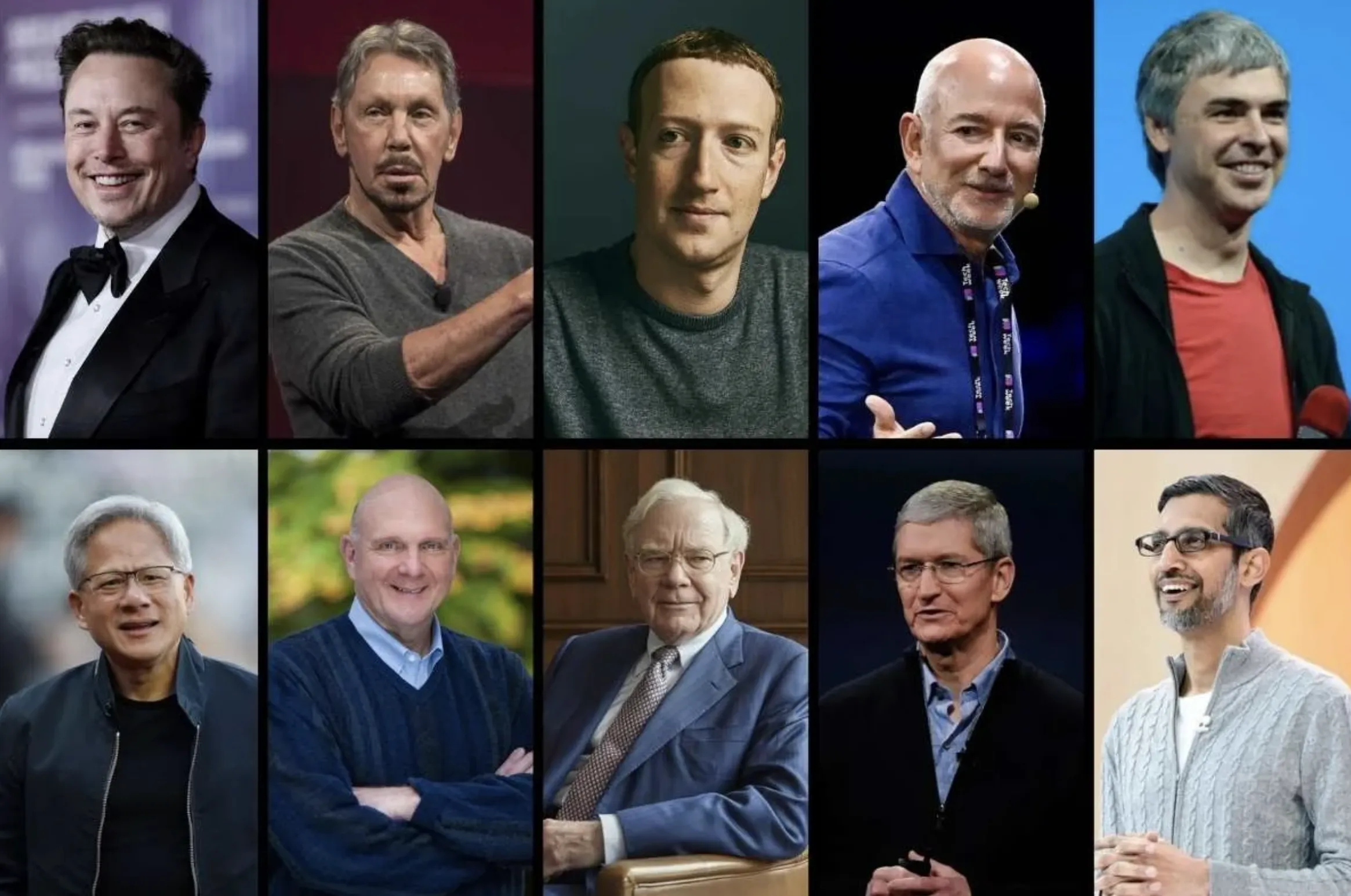
A large performance-linked stock award is different. If the company performs well, the executive can make substantially more. If it performs badly, the value of that compensation can fall.
It creates a direct connection between the CEO's financial interests and those of shareholders. At America's largest companies, that connection has become increasingly important. Equilar's 2026 data found that median compensation for CEOs in its group of the largest US companies reached $39.4 million in 2025, a record level, with equity making up the largest portion of the package.
Salary, Compensation and Net Worth Are Three Different Things
The easiest way to understand the billionaire economy is to separate three numbers.
Salary: What your employer pays you in cash for your job.
Total compensation: Salary plus bonuses, stock awards, options and other benefits.
Net worth: The estimated value of everything you own, minus your liabilities.
These can be wildly different.
Sam Altman can earn roughly $76,000 from OpenAI and still have an estimated fortune of $3.3 billion because his wealth comes from investments and ownership elsewhere. John Ternus can have a $3 million Apple salary while receiving a targeted $55 million stock award because Apple's compensation system places substantial value on equity. Elon Musk can have compensation measured in tens of billions because his economic relationship with his companies is overwhelmingly connected to equity and performance. None of those figures are directly comparable.
The Billionaire Economy Doesn't Run on Paychecks
This is perhaps the biggest misconception about extreme wealth.
For most people, getting richer means earning a bigger salary. For billionaires, the game is fundamentally different.
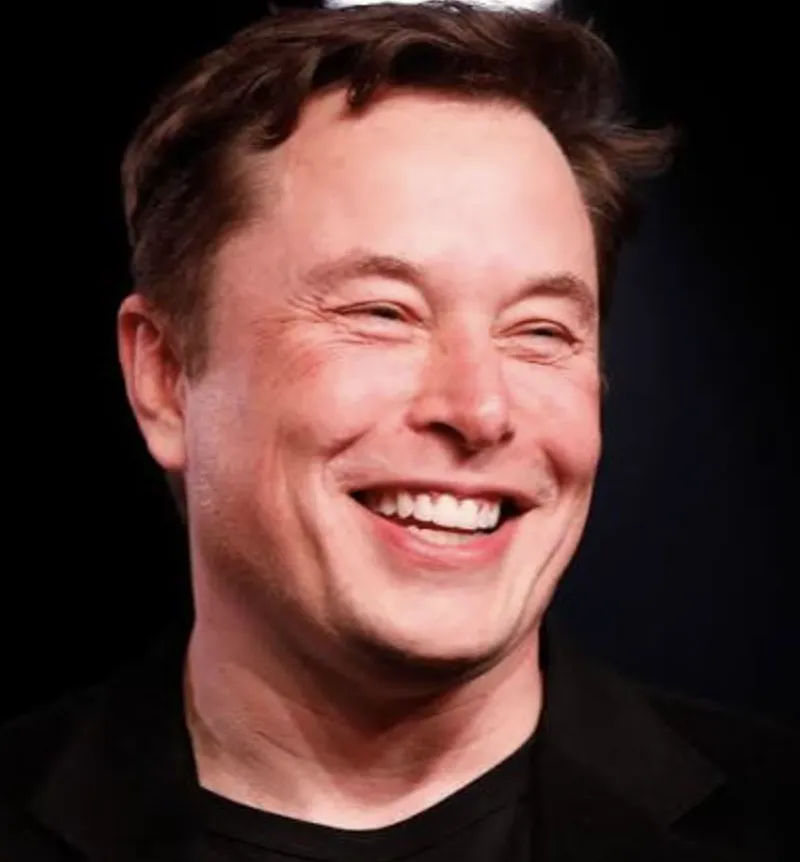
The crucial question isn't “How much do you earn every year?”It is “What do you own?”
Sam Altman's $76,000 OpenAI salary is therefore interesting precisely because it tells us so little about his wealth. John Ternus' $3 million Apple salary tells only a fraction of his compensation story.
And Elon Musk's enormous stock awards demonstrate how far the gap between salary and wealth can ultimately stretch. At the highest level of business, the paycheck is often just the visible part.
The real fortune is sitting in the shares.
By Tommy Thounaojam- Editor Micromunch

Stay updated with our latest news and articles. Join our newsletter!
Trending Now
No trending posts found.

