The $1B Bet: How Disney’s AI Deal Signals a New Era for Entertainment
2025-12-12
Disney’s $1B AI Bet Signals a New Era for Creative IP — and the Industry May Never Be the Same
In 1927, when The Jazz Singer introduced synchronized sound to film, Hollywood recoiled. The industry built on expressive faces against silent frames now faced a noise it didn’t ask for — microphones, sound stages, broken workflows, and fear. Actors worried their voices would ruin careers. Directors worried the camera would stop dancing. Theaters worried about new hardware they couldn’t afford.
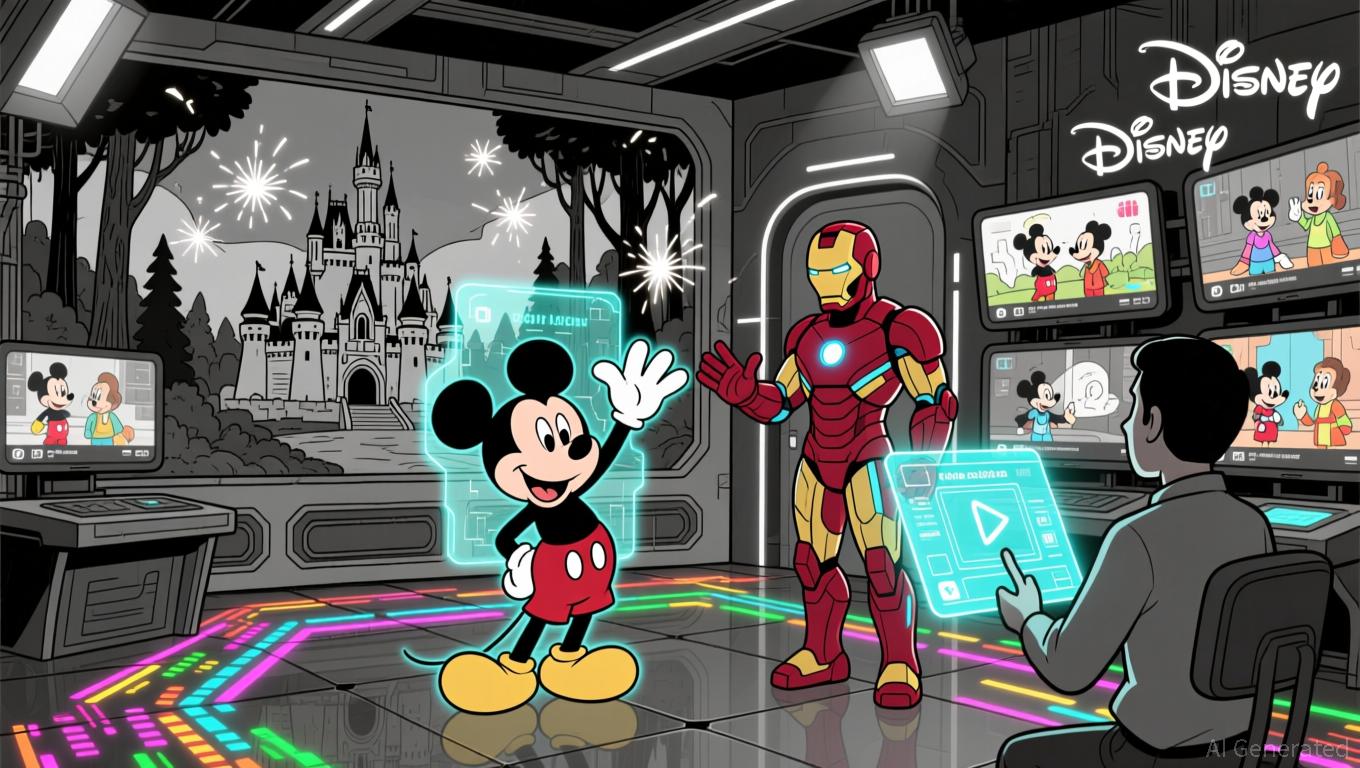
What sounded like an ending became a beginning.
Nearly a century later, Hollywood is confronting another seismic shift. And this time, the shock isn’t coming from PLAY or PAUSE — it’s coming from CODE.
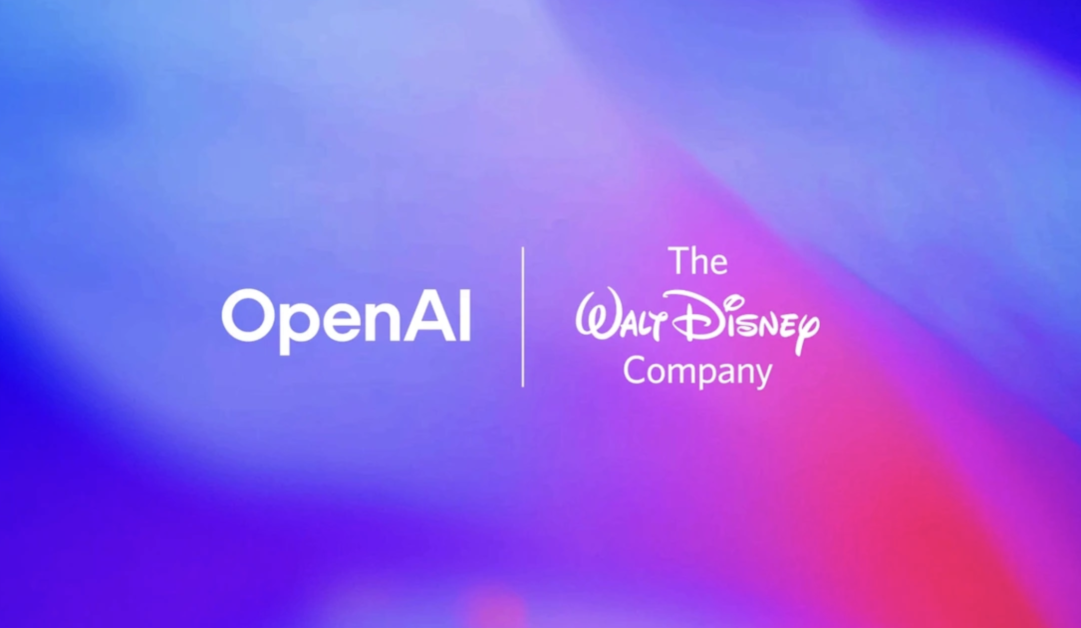
This summer, The Walt Disney Company — the most aggressive copyright defender in Hollywood history — made an unprecedented move: a $1 billion licensing agreement with OpenAI that opens its prized intellectual property to generative AI. The deal spans at least three years and covers characters from Disney’s core brands — Disney classics, Marvel superheroes, Star Wars legends, and Pixar icons — granting OpenAI rights to use these characters and worlds within its tools, platforms, and future offerings.
For an entertainment giant that fought for decades — even lobbying Congress in the 1990s to extend U.S. copyright law by 20 years to keep Mickey Mouse out of the public domain — this shift is remarkable.
“This isn’t a defensive play,” one industry executive remarked, “It’s a strategic embrace.”
Why This Matters
Generative AI isn’t a distant or theoretical risk. Fans are already creating AI-generated Disney content — complete with voices, remixed scenes, and open-ended narratives — often without legal consequence. Studios have struggled to keep up with copyright enforcement. What Disney seems to have recognized is simple: the tide can’t be stopped, but it can be shaped. By licensing its properties directly, Disney ensures:
1.Revenue that can’t be bypassed
2. Creative control in how its characters are used
3. A strategic foothold in shaping AI tools
Instead of outlawing AI reproduction, Disney chose to monetize the inevitability of AI creative expansion.
From Copyright Fortress to Strategic Partner
Disney’s history with copyright is emblematic of its protective posture. The company famously succeeded in extending U.S. copyright protection to safeguard early characters like Mickey Mouse, preventing them from entering the public domain. For decades, it represented a fortress mentality — defend, litigate, extend.
But today’s generative AI landscape operates outside that paradigm. AI models learn from vast datasets, remixing and reinterpreting source material in ways that legal frameworks still struggle to define. That gray area has given rise to user-generated AI content that studios are ill-equipped to police.
Rather than fight the inevitable, Disney is setting the terms of engagement — and getting paid for it.
A Moment of Industry Convergence
If the introduction of sound to cinema expanded the medium’s expressive range, the arrival of AI — with Disney’s backing — may expand who gets to participate in storytelling and how stories are created.
Disney’s deal with OpenAI is significant for several reasons:
a. It validates AI as a viable creative platform for major IP owners
b. It signals that other rights holders might adopt similar strategies
c. It reframes generative AI from a threat to a licensed creative tool
d. It lays groundwork for new business models where studios license participation rights, not just distribution rights
“One day, this will look like the moment the industry made peace with a new creative frontier,” says a media analyst who asked not to be named.
Not Replacement, Expansion

Disney’s licensing deal doesn’t replace traditional storytelling; it expands it. Just as synchronized sound layered onto visual cinema rather than wiped it out, AI is poised to add a new dimension to storytelling. Early adopters will likely:
1. Develop hybrid media formats that blend scripted narratives with generative elements
2. Reach audiences in interactive or personalized ways
3. Empower creators — from professional studios to independent artists
4. Explore worlds and characters beyond conventional constraints
Executives familiar with Disney’s internal strategy have noted that the company is approaching AI not as a threat, but as an opportunity to define the future of creativity rather than react to it.
Is the Fight Against AI Over? Or Just Reframed?
The short answer: the battleground has changed.
The legal fights — over copyright, scraping, and unauthorized use — will continue. But Disney’s move suggests major rights holders may increasingly opt for licensing and collaboration rather than confrontation.
This isn’t surrender. It’s hard-headed pragmatism — acknowledging that AI is already reshaping cultural production and that the most powerful position is one of influence, not avoidance.
The studios that thrive in the coming decade won’t be the ones who block innovation, but those who harness it without losing control of their creative identity.
In 1927, sound added a voice to cinema it didn’t know it needed.
In 2025, Disney may have just given storytelling a new kind of breath — one shaped by human imagination, machine capability, and commercial foresight.

Stay updated with our latest news and articles. Join our newsletter!
Trending Now
No trending posts found.