
The Pros and Cons of Crowdfunding for Small Businesses
2025-07-11
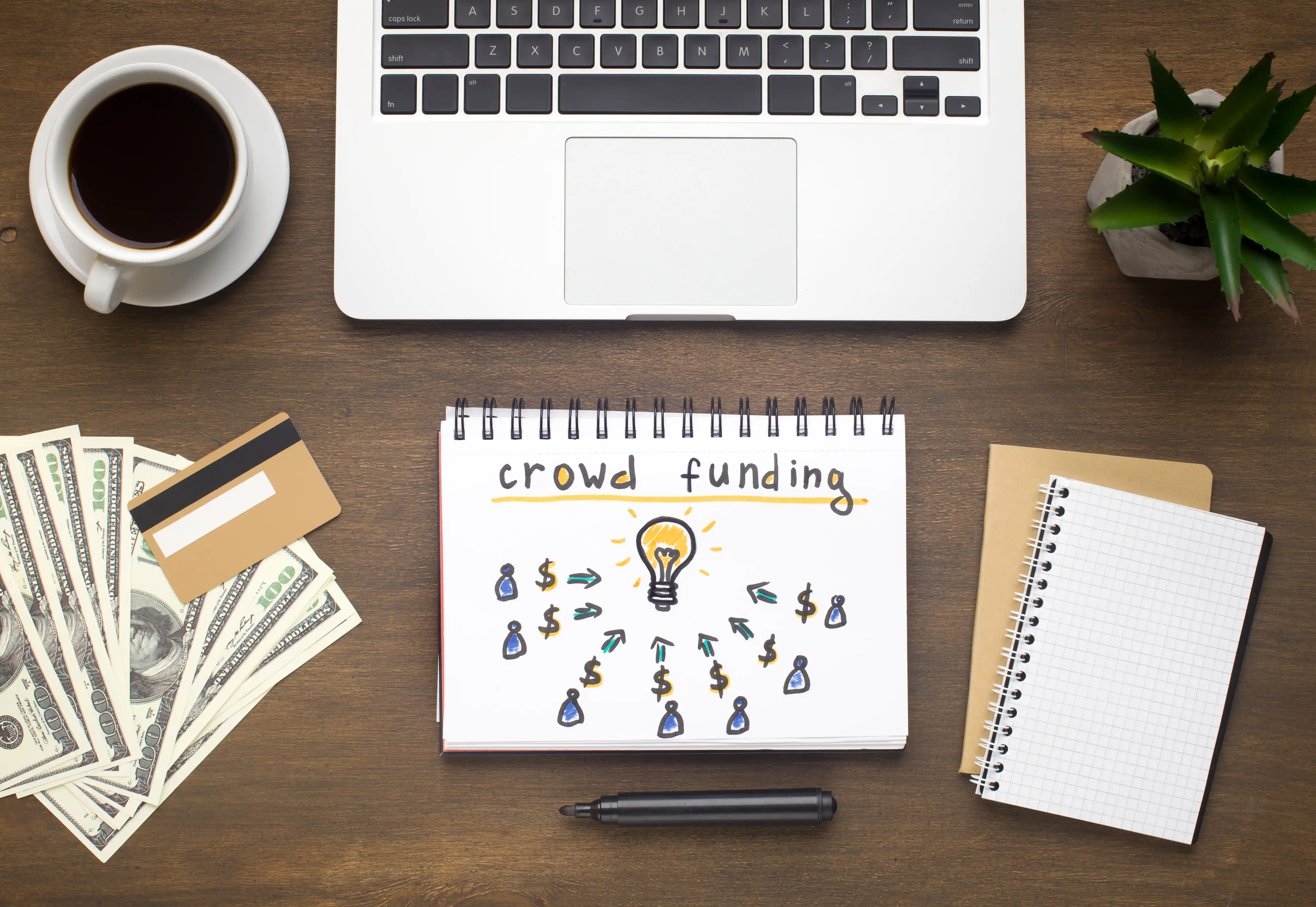
Crowdfunding has become a popular route for small businesses seeking capital without going through traditional financing channels. In 2025, this method continues to evolve, powered by digital platforms and a growing community of early adopters eager to support innovation. But as with any financing tool, crowdfunding brings both opportunities and challenges that entrepreneurs must consider before launching a campaign. Whether you're exploring the best crowdfunding platforms, weighing the pros and cons of Kickstarter vs Indiegogo, or studying crowdfunding success stories, it’s essential to approach this funding option with strategy and clarity.
What Is Crowdfunding?
Crowdfunding is a method of raising capital by collecting small contributions from a large number of individuals, typically through online platforms. It can take several forms—reward-based, equity-based, donation-based, or debt crowdfunding. For small businesses, reward-based crowdfunding remains the most common, offering backers early access to products, perks, or experiences in exchange for their support.
The Pros of Crowdfunding for Small Businesses
- Access to Capital Without Debt: Unlike traditional loans, crowdfunding doesn’t usually require repayment unless it's debt-based. This can reduce financial pressure during early stages of business development. For reward-based campaigns, funds are raised in exchange for future products or benefits, not equity or repayment.
- Market Validation and Product Testing: Launching a campaign allows entrepreneurs to test demand before going to full production. A successful campaign often proves product-market fit, helping reduce the risk of failure. Feedback from early supporters can be used to refine offerings and future iterations.
- Built-in Marketing and Audience Engagement: Well-executed crowdfunding campaigns often double as marketing tools. With the right crowdfunding marketing tips, business owners can build a loyal customer base even before a product hits the market. Social sharing, press coverage, and platform exposure all contribute to visibility.
- Media and Investor Attention: Successful crowdfunding campaigns can generate buzz that draws attention from journalists, influencers, and venture capitalists. Many early-stage companies use their campaign success as leverage to attract additional investment.
The Cons of Crowdfunding for Small Businesses
- No Guarantees of Success: Crowdfunding is not an automatic win. In fact, a significant number of campaigns fail to reach their funding goals. Poor planning, weak marketing, or unclear value propositions can hinder performance. Knowing how to run a successful campaign is essential.
- Time and Resource Intensive: Running a crowdfunding campaign takes more than just posting a video and waiting. It requires weeks or even months of preparation, daily updates, ongoing promotion, and post-campaign fulfillment. Many small teams underestimate the workload involved.
- Public Exposure and Risk of Copycats: Because campaigns often share detailed product information and roadmaps publicly, there’s a risk of idea theft. Without strong intellectual property protection, entrepreneurs may find themselves facing unexpected competition.
- Platform Fees and Payment Delays: Most crowdfunding platforms charge a percentage of funds raised, usually between 5% and 8%. Payment processing fees add to the cost, and some platforms delay fund disbursement until specific milestones are met.
Kickstarter vs Indiegogo: Key Differences in 2025
Both Kickstarter and Indiegogo remain among the best crowdfunding platforms in 2025, but they serve slightly different needs.
- Kickstarter operates on an “all-or-nothing” model—if you don’t meet your funding goal, you receive nothing. This creates urgency but also carries risk.
- Indiegogo allows for “flexible funding,” meaning you can keep the funds raised even if the target isn’t hit. It's more flexible but may create uncertainty for backers.
- Kickstarter tends to attract more creative, design-driven projects, while Indiegogo leans into tech, hardware, and consumer electronics.
Your choice between Kickstarter vs Indiegogo should be guided by your product type, funding needs, and risk tolerance.
Crowdfunding Success Stories to Learn From
In recent years, several small businesses have transformed into established brands after viral campaigns. From eco-friendly backpacks to modular electronics, these crowdfunding success stories often share common traits: compelling storytelling, high-quality visuals, and clear value propositions. Notably, campaigns that raised over $1 million often launched with an existing community or following. They also used professional marketing strategies, which emphasize the importance of effective crowdfunding marketing tips even before going live. Crowdfunding in 2025 remains a viable option for small businesses looking to raise capital while engaging directly with their audience. When used strategically, it offers more than funding—it becomes a platform for validation, visibility, and growth.
However, success requires preparation, dedication, and a clear understanding of both the benefits and risks involved. If you’re considering crowdfunding, invest the time to research platforms, understand your audience, and map out a marketing plan that can carry your idea from concept to funded reality.

Stay updated with our latest news and articles. Join our newsletter!
Trending Now
No trending posts found.


