
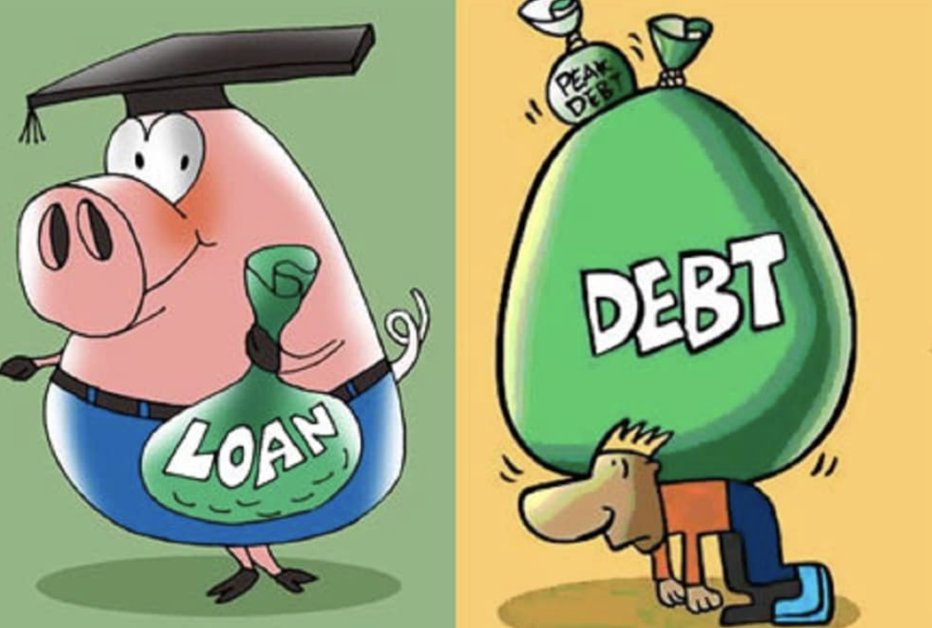
Using Loans Wisely: A Practical Financial Guide for Professionals, Families & Entrepreneurs.
2026-02-02
Loans are often seen as financial burdens—but in reality, they are tools. When used without planning, they can create long-term stress. When used with clarity and discipline, they can build stability, unlock growth, and protect your future.
Whether you are starting your career, raising a family, or running a business, understanding how to use loans strategically can make the difference between financial freedom and constant pressure.
Loans: Burden or Bridge?
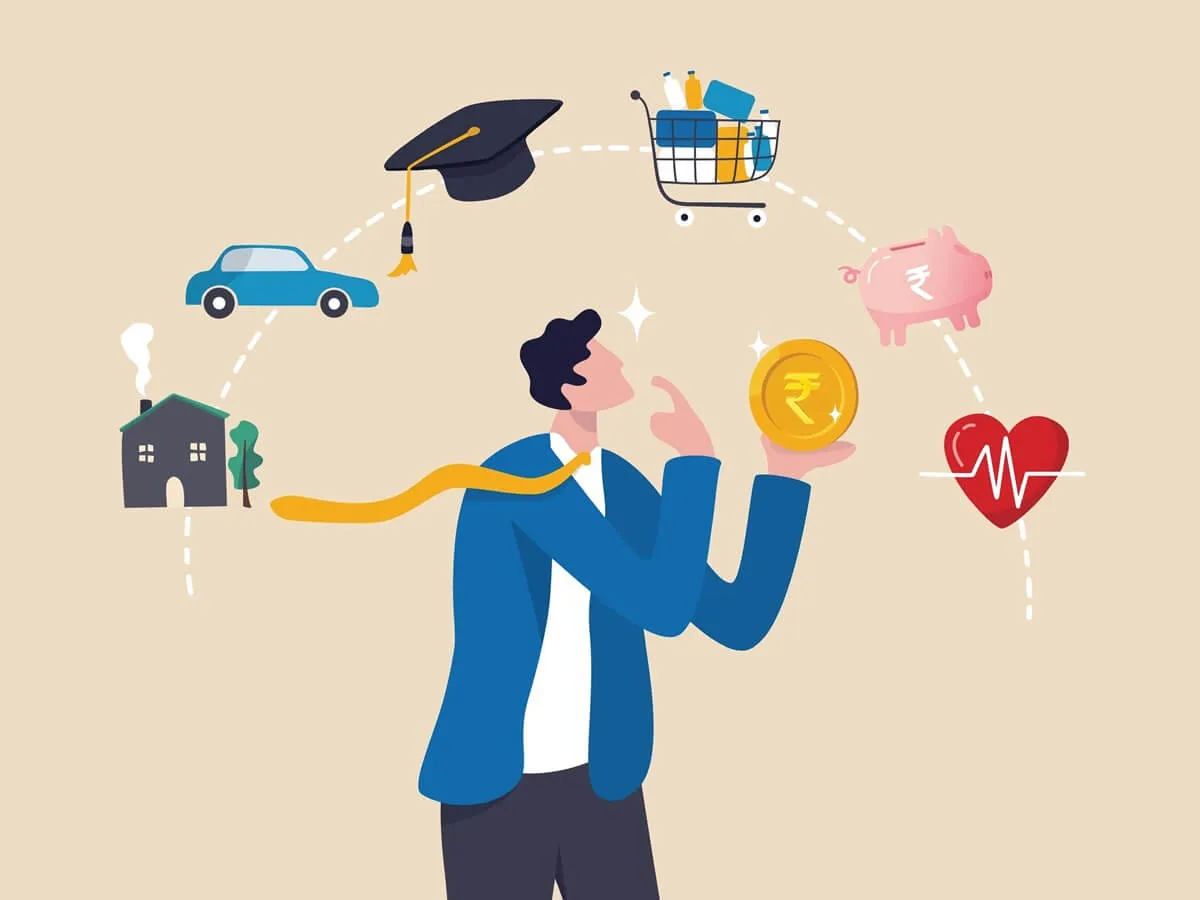
A loan is not good or bad by itself. Its impact depends on why you take it and how you repay it.
Loans taken for consumption usually become liabilities
Loans taken for income, assets, or protection can become enablers
Before borrowing, ask one question:
"Will this loan leave me financially stronger in the next 3 to 7 years?"
Common Types of Loans and How They Fit Different Life Stages
1. Education and Skill Loans – Laying the Foundation
Who benefits: Young professionals, career switchers
Purpose: Upskilling, certifications, higher education
Smart use:
A young professional takes a loan for a certification that increases employability or salary potential.
Short-term effect:
Limited income during learning phase
Manageable EMIs or moratorium
Long-term benefit:
Higher earning power
Faster career growth
Stronger financial confidence
Avoid:
Borrowing for courses with unclear job outcomes.
2. Home Loans – Building Security for Families
Who benefits: Middle-class families, salaried professionals
Purpose: Home ownership, long-term stability
Smart use:
Buying a home with an EMI close to current rent levels.
Short-term effect:
Reduced monthly flexibility
Adjustments in lifestyle
Long-term benefit:
Asset creation
Protection from rising rents
Emotional and family security
Avoid:
Stretching EMIs beyond comfort to buy a “dream” home early.
3. Personal Loans – Use Sparingly, Use Wisely
Who benefits: Anyone facing genuine emergencies
Purpose: Medical needs, urgent repairs, short-term cash gaps
Smart use:
Handling emergencies when savings fall short.
Short-term effect:
Quick access to funds
Higher repayment pressure
Long-term risk:
Debt accumulation if used for lifestyle expenses
Avoid:
Using personal loans for vacations, gadgets, or social events.
4. Business Loans – Fuel for Growth, Not Survival
Who benefits: Entrepreneurs, small business owners
Purpose: Expansion, equipment, working capital
Smart use:
Taking a loan to expand operations that directly increase revenue.
Short-term effect:
Increased responsibility
Tighter cash management
Long-term benefit:
Business scalability
Improved profitability
Financial independence
Avoid:
Borrowing without predictable cash flow or clear ROI.
5. Vehicle Loans – Balance Need and Affordability
Who benefits: Professionals, families, business owners
Purpose: Daily commute, commercial use
Smart use:
Buying a vehicle that reduces commute time or supports business operations.
Short-term effect:
EMI and maintenance costs
Long-term reality:
Vehicle value depreciates
Ongoing expenses
Avoid:
Upgrading vehicles frequently or buying beyond necessity.
Understanding Short-Term Pressure vs Long-Term Payoff
Short-Term Challenges
Reduced disposable income
EMI-related stress
Lifestyle adjustments
Long-Term Rewards (When Used Well)
Stable assets
Improved credit profile
Higher income potential
Better financial resilience
Clear Do’s and Don’ts for Smart Borrowing
✅ Do’s
Borrow with a defined purpose
Keep EMIs within manageable limits
Maintain an emergency fund alongside loans
Match loan tenure with asset life
Review interest rates and repayment terms carefully
❌ Don’ts
Take multiple loans without a plan
Depend on future income growth blindly
Use loans for status or peer pressure
Ignore hidden charges and variable rates
Treat credit cards as extra income
A Simple Borrowing Checklist
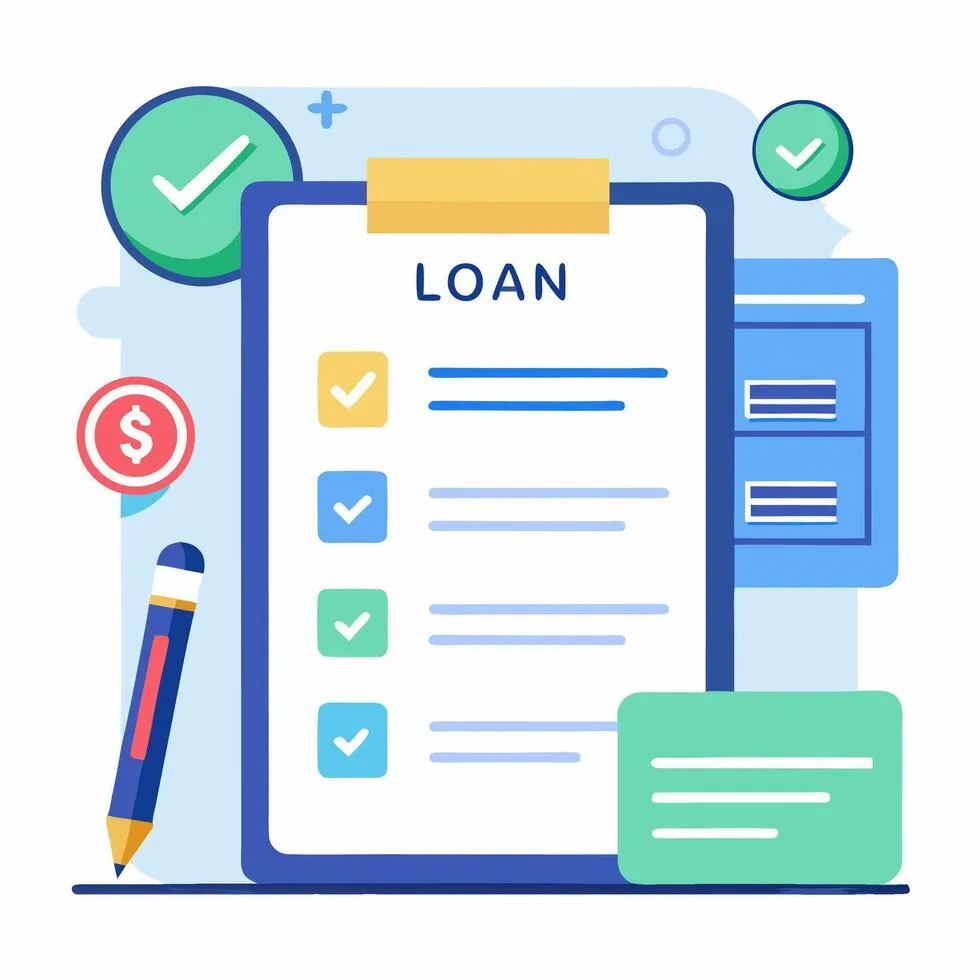
Before taking any loan, pause and ask:
Will this loan improve my income, stability, or security?
Can I repay it comfortably even if income drops temporarily?
Will the benefit of this loan last longer than the repayment period?
If the answer is yes to all three, the loan is likely serving you—not trapping you.
Final Perspective: Loans Reflect Financial Discipline
Loans do not create financial problems or success on their own. They magnify habits.
Planned borrowing leads to growth
Emotional borrowing leads to stress
For young professionals building careers, families securing stability, and entrepreneurs chasing growth, loans used wisely can be stepping stones—not stumbling blocks.

Stay updated with our latest news and articles. Join our newsletter!
Trending Now
No trending posts found.
Related Articles
Debug: Tags used: smart use of loans, personal finance guide, loans for young professionals, loans for middle class families, business loans for entrepreneurs, financial stability, good debt vs bad debt, EMI planning, loan management tips, borrowing wisely