Warren Buffett’s Son Didn’t Know He Was a Billionaire Until His 20s — Here’s Why It Matters
2026-01-27
Most people assume billionaires raise billionaire kids — surrounded by luxury, privilege, and private jets.
But Warren Buffett did the opposite.
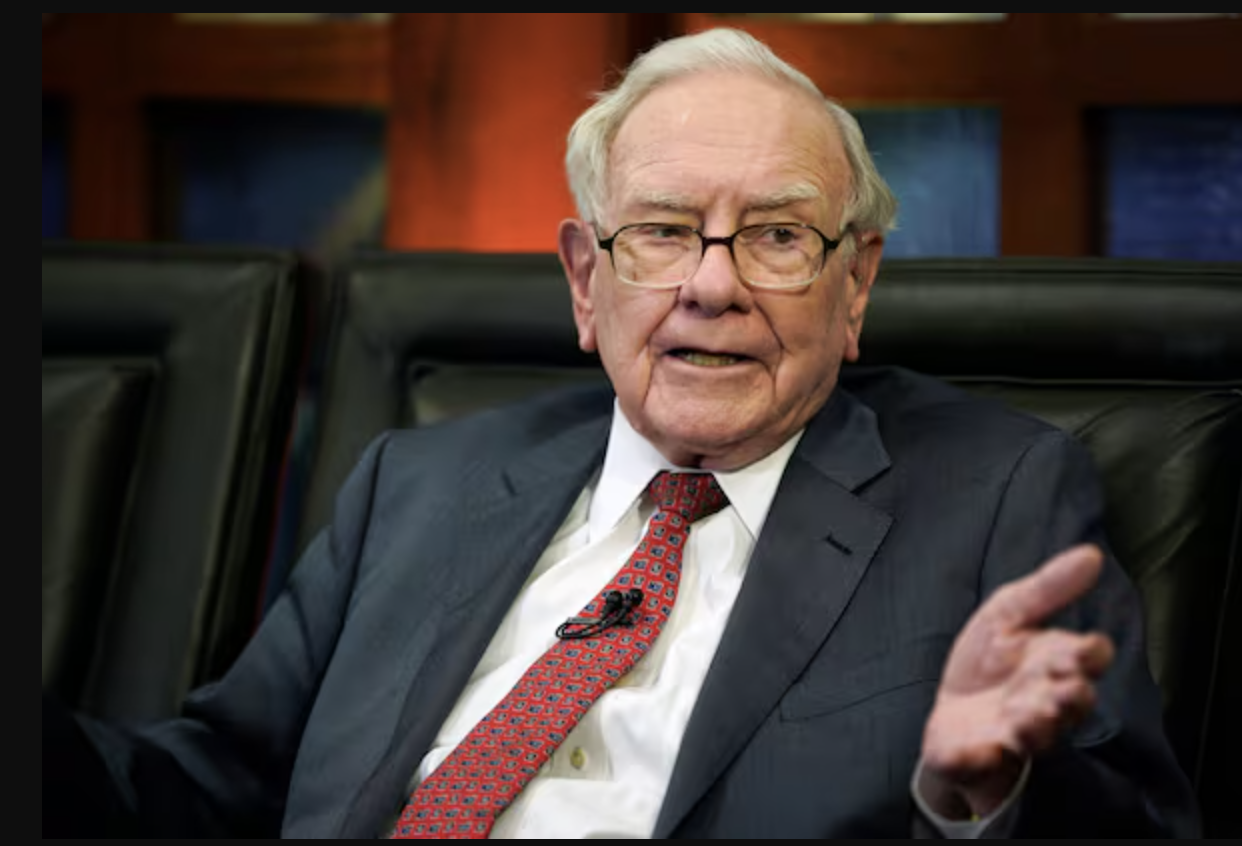
At a time when his fortune was already in the billions, Buffett’s own son didn’t even know his father was rich. Not until his 20s. That deliberate invisibility of wealth wasn’t accidental — it was a financial philosophy that quietly shaped one of the most famous fortunes in history.
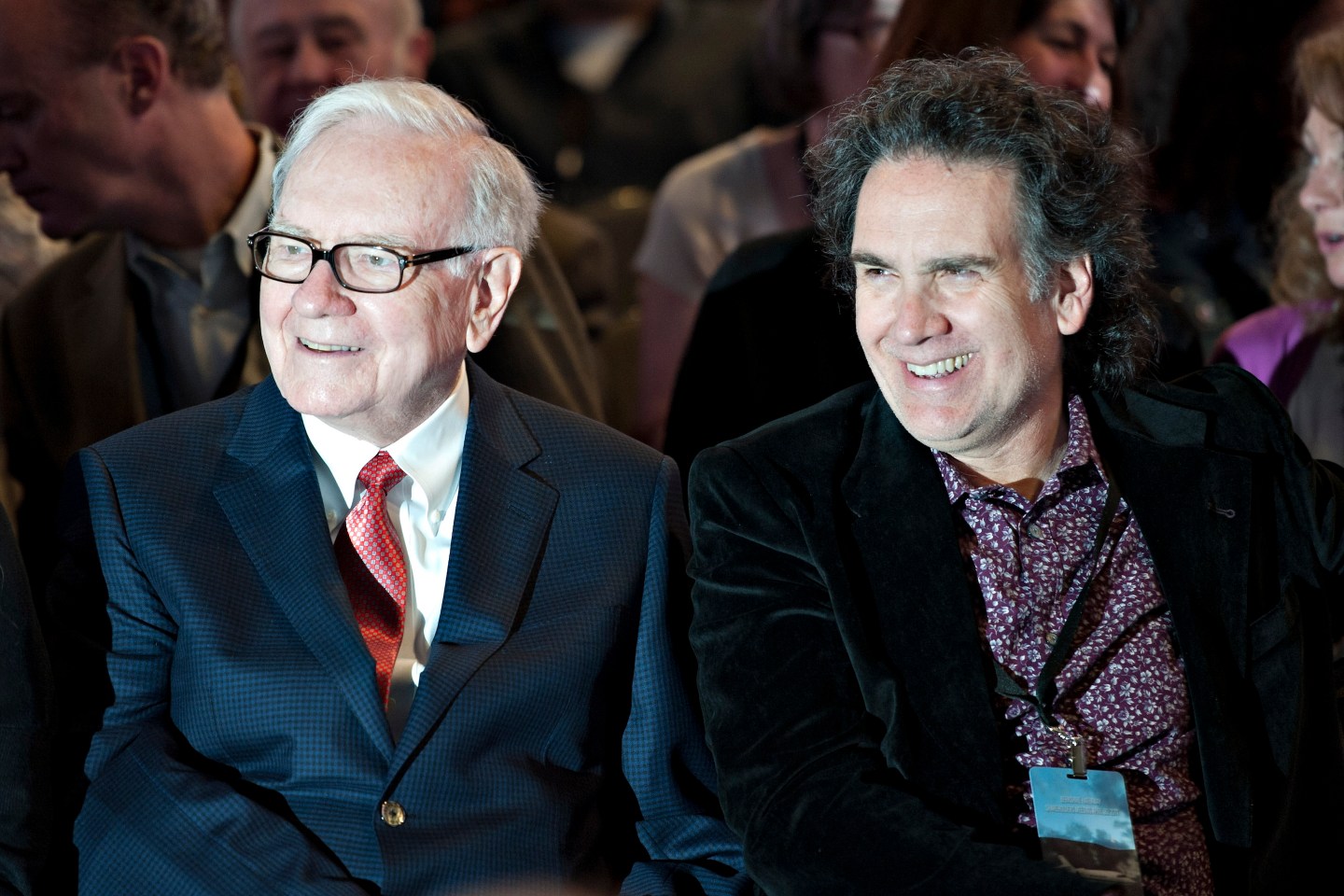
Image: Warren and Peter Buffett;Daniel Acker/Bloomberg via Getty Images
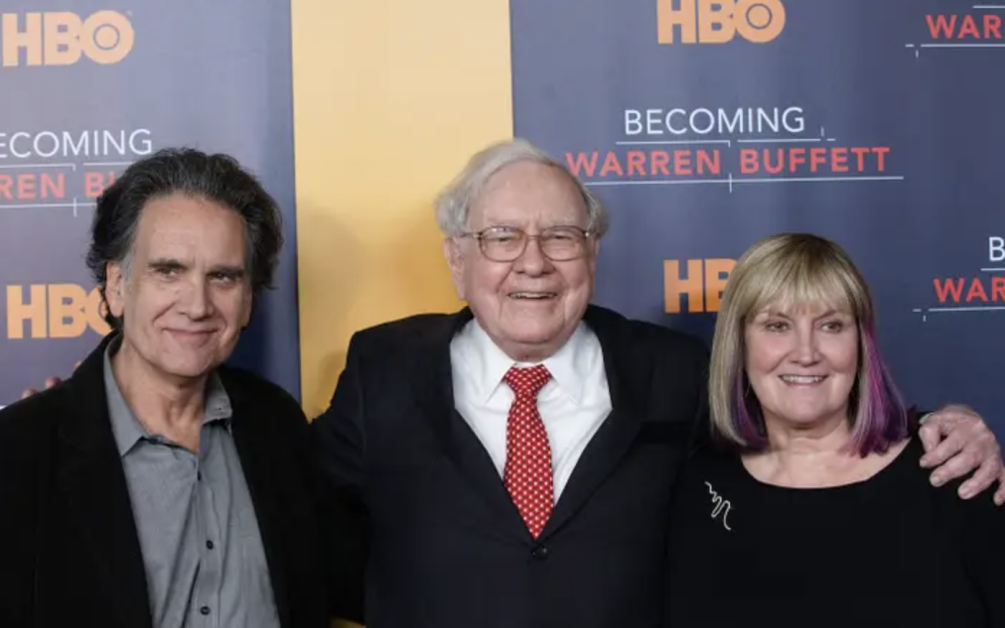
In a now-widely shared anecdote from a 2013 interview at the Forbes Second Annual Summit on Philanthropy, Peter Buffett — the youngest son of famed investor Warren Buffett — revealed that he didn’t realize just how wealthy his father was until he was in his 20s. The moment of realization came when Peter saw Warren’s name on Forbes’ list of the richest Americans and joked about it with his mother.
Peter was born in May 1958, making him roughly in his mid-20s in the early 1980s when he first appreciated the scale of his father’s wealth. At the time, Warren Buffett’s fortune was growing rapidly — and he became one of the world’s richest people by the 1980s and 1990s, eventually overtaking Bill Gates as the richest person in the world around 2008 with an estimated net worth of about $62 billion.
Despite that massive wealth, Peter and his siblings (Susan, born 1953; Howard, born 1954; and Peter) grew up in Omaha, Nebraska, in a modest-feeling setting. They rode public buses to school, lived in the same family house Warren bought in 1958, and didn’t have the kinds of lavish trappings that might signal superstar wealth to children’s eyes.
Warren Buffett — now consistently ranked among the world’s wealthiest — has a net worth estimated around $145 billion as of 2026, though that figure was much lower during Peter’s youth.
Why This Story Matters
1. It’s a lesson in parenting and values
Buffett deliberately shielded his children from ostentation. He didn’t let wealth define everyday life, believing that a normal upbringing helps children form authentic relationships and values not tied to money. Even when children eventually learned the truth, their sense of self and friendships weren’t shaken by it.
2. Wealth isn’t always visible from the inside
The story is a striking reminder that external wealth doesn’t automatically translate into internal awareness. The Buffett children didn’t grow up knowing the exact scale of their father’s success — because Buffett never made displays of wealth a focus.
3. It challenges assumptions about billionaire lives
Most people imagine that kids of billionaires grow up surrounded by luxury and privilege. The Buffett family bucked that stereotype, choosing normalcy over glamor.
What We Can Learn From It
Values matter more than assets: Material wealth doesn’t automatically teach humility, empathy, or grounded behavior — but intentional parenting can.
Identity should be separate from net worth: Understanding who you are apart from money is powerful, especially in a world obsessed with status.
Perspective changes with awareness: Sometimes big truths — like your family’s wealth — don’t change your behavior, but they change how others treat you, and that contrast can be eye-opening.
Conclusion
Warren Buffett’s decision to hide his wealth from his children wasn’t about secrecy — it was about financial psychology. By separating money from identity, he ensured his kids learned independence, humility, and long-term thinking before they ever learned net worth.
In an era obsessed with flashy success and inherited privilege, Buffett’s parenting offers a powerful lesson: wealth is most valuable when it doesn’t raise entitled adults. Whether you’re building generational wealth or just trying to raise financially grounded kids, the takeaway is clear — money should be a tool, not a personality.

Stay updated with our latest news and articles. Join our newsletter!
Trending Now
No trending posts found.