
Why the Federal Reserve Paused Rate Cuts in 2026 and What It Means for Borrowers, Businesses & Markets
2026-01-29
The Fed Hits the Brakes: What the 2026 Rate Decision Means for Borrowers and the Economy
The taste of relief that borrowers experienced from multiple interest-rate cuts in late 2024 and through 2025 may now be fading. After three consecutive rate reductions, the Federal Reserve chose to hold interest rates steady at its first policy meeting of 2026, marking a significant pivot in monetary policy strategy.
This decision reflects persistent inflation above the Fed’s 2% target, continued strength in the labor market, and uncertainty about future economic trajectories. Financial markets and businesses alike are recalibrating expectations as policymakers adopt a cautious, data-driven approach.
Why the Fed Is Pressing Pause
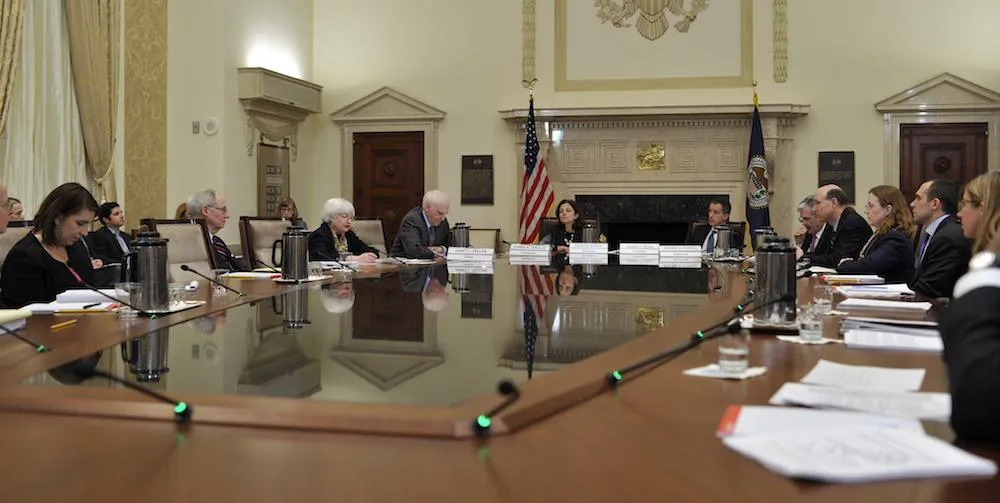
The Federal Open Market Committee (FOMC) left the benchmark federal funds rate in its current range, indicating that officials want more convincing evidence before resuming rate cuts:
Inflation remains elevated: Despite progress, price growth has not reliably returned to the Fed’s long-run goal of 2%.
Labor market strength persists: Unemployment rates have steadied at low levels, reducing the urgency for further rate cuts that would otherwise stimulate employment.
Economic data is mixed: Some signals suggest solid growth, while consumer sentiment and debt levels tell a different story.
This cautious stance contrasts with earlier rhetoric where the Fed described rate cuts as “insurance” against a potential labor slowdown. In 2026, officials seem less inclined to cut until they see clear evidence of inflation moving sustainably toward 2% or renewed labor market weakness.
Real-World Business Implications
1. Borrowers Face Continued Higher Costs
For consumers and businesses alike, a pause in rate cuts means borrowing costs stay elevated longer:
Mortgage and auto loan rates may not fall in the near term.
Interest on business lines of credit and variable debt instruments remains pricier.
Credit card borrowing costs stay high, which matters given rising long-term balances among consumers. (User write-up observation)
This environment favors borrowers with strong credit profiles and ready liquidity, while those with floating-rate debt could see financial stress increase.
2. Impact on Small Businesses
Lower interest rates historically help small and medium enterprises (SMEs) by reducing finance costs and improving cash flow. A pause delays those benefits. However:
Stable rates can support planning: Businesses can forecast expenses without worrying about rate volatility.
Investment decisions may shift: Firms might accelerate fixed-rate borrowings now to hedge future uncertainty.
For example, companies weighing equipment purchases or technology upgrades may deploy capital sooner rather than later if they expect rates to hold.
3. Consumer Confidence Is a Wildcard
Data shows many consumers are financially stretched—only a minority can cover a $1,000 emergency from savings, and long-term credit card debt is climbing. (User write-up observation)
Persistent real-world financial stress among households might not show immediately in macroeconomic data but could depress spending and demand over time—a key variable the Fed monitors when considering future rate moves.
4. Financial Markets Are Adjusting Expectations
After the Fed’s decision:
Markets are pricing in potential rate cuts later in 2026, possibly tied to new leadership at the Fed or shifts in inflation readings.
Investors are repositioning portfolios toward assets that benefit from future rate reductions or stable yield environments.
This dynamic highlights how central bank communications influence risk asset pricing, bond yields, and corporate finance decisions.
A Divergence Between Data and Daily Experience
One emerging concern for economists and policymakers alike is the disconnect between aggregate economic indicators and everyday consumer experiences. While inflation figures and employment statistics may point to stability, many households and small businesses feel otherwise due to rising debt and limited savings buffers.
This divergence complicates forecasting and policy decisions. Officials must balance headline macro data with ground-level financial stress, a challenge that could influence future rate actions.
Conclusion: What’s Next for the Fed and the Economy
The Federal Reserve’s decision to pause rate cuts underscores a period of economic uncertainty. With inflation still above target and labor markets showing resilience, policymakers are in no rush to lower borrowing costs further.
For businesses and borrowers, this environment demands strategic financial planning—from managing debt and investments to anticipating future changes in credit conditions. Companies with strong balance sheets and forecasting models will navigate these headwinds more effectively.
Ultimately, the Fed’s data-dependent strategy aims to strike a balance between price stability and sustainable growth, even if that means prolonged patience before the next rate cut. The timing of future adjustments will hinge on incoming data—a reminder that in economics, clarity often arrives slowly and with consequences for businesses and consumers alike.

Stay updated with our latest news and articles. Join our newsletter!
Trending Now
No trending posts found.
Related Articles
Debug: Tags used: Federal Reserve interest rate pause, US Fed policy 2026, inflation and labor market impact, borrowing costs business outlook, small business loans rates, credit card debt consumer stress, Fed economic data divergence, Federal Reserve monetary policy effec