

Beware of Credit Traps: Real Fraud Cases & Protection Tips
2026-03-23
Over the last one year, credit card fraud has evolved into something far more dangerous than most people realize. What was once limited to stolen cards or phishing emails has now become a highly organized, technology-driven threat.
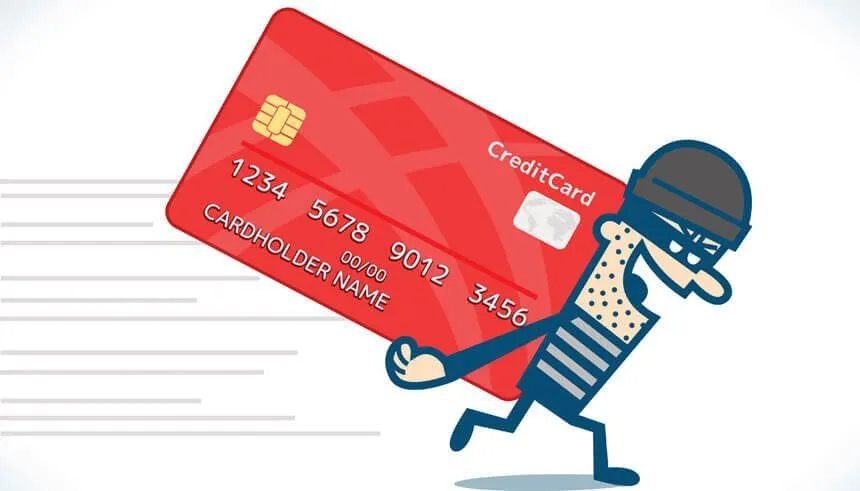
From fake banking apps to emotionally manipulative scams, fraudsters are no longer just targeting systems—they’re targeting human behavior.
In this article, we’ll look at some of the most prominent fraud cases from the past year, what they reveal about modern scams, and most importantly, how you can protect yourself.
Prominent Credit Fraud Cases from the Last One Year
1. APK Scam That Took Over a Victim’s Phone
In one case from India, a senior citizen downloaded what appeared to be a legitimate e-challan app shared via WhatsApp.

Once installed, the app gave scammers complete remote access to his phone, allowing them to:
- Read SMS messages
- Capture OTPs
- Authorize transactions
The result: over ₹10 lakh lost within hours.
What we learn:
Never install apps from links sent via WhatsApp or SMS. These apps are often designed to silently take control of your device.
2. Fake Bank Call Leading to Instant Fraud
A working professional received a call from someone posing as a bank representative offering a credit card upgrade.

He was asked to install an app and follow instructions. Within minutes:
- His card was accessed
- Transactions were made
- Money was gone
What we learn:
No legitimate bank will ever ask you to install software or share sensitive details over a call.
3. Fake Credit Card Application Trap
A retired individual applied for a credit card online. Soon after, he received calls from “bank officials” who:

- Requested documents
- Asked for video verification
- Collected card details
The scammers used this information to make unauthorized purchases.
What we learn:
Even processes that look official—like video KYC—can be faked. Always verify through official bank channels.
4. Romance Scam with Financial Exploitation
In an international case, a scammer built emotional relationships with victims over time.
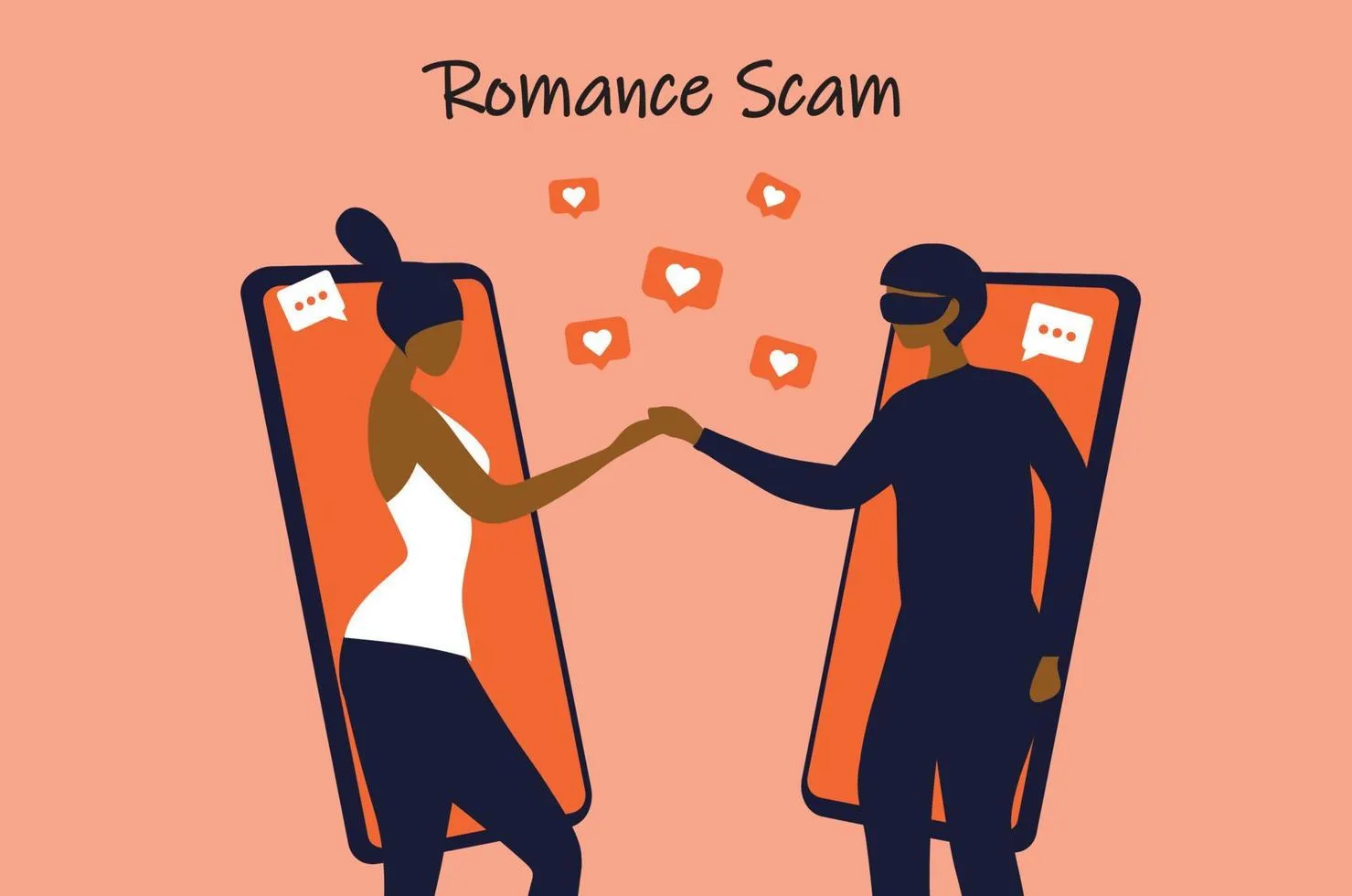
Once trust was established:
- Victims shared financial details
- Large sums were transferred
- Credit cards were misused
What we learn:
Scammers don’t always rush. Some build trust over weeks or months before striking.
5. Rise of Organized, Tech-Driven Fraud Networks
Authorities worldwide have reported a surge in organized fraud rings using:
- AI tools
- Fake websites
- Automated phishing systems
These groups operate like businesses, targeting thousands of victims simultaneously.
What we learn:
Fraud today is not random—it’s structured, scalable, and constantly evolving.
Common Credit Traps You Should Watch Out For
1. “Too Good to Be True” Offers
- Instant credit limit increases
- Guaranteed approvals
- Unrealistic cashback deals
These are often bait to collect your personal and card details.
2. Urgency & Pressure Tactics
Scammers try to rush you:
- “Your account will be blocked”
- “Act immediately to avoid penalty”
This pressure is designed to stop you from thinking clearly.
3. Fake Authority
Fraudsters impersonate:
- Bank officials
- Customer care executives
- Government representatives
They sound convincing—but rely on fear and trust.
4. Technology-Based Deception
Modern scams use:
- Fake apps
- Cloned banking websites
- Malware
- AI-generated voices
Even tech-savvy users can be tricked.
5. Emotional Manipulation
Seen in romance and investment scams:
- Trust is built slowly
- Victims feel safe sharing information
- Losses are often significant
How These Scams Typically Work
Most credit card frauds follow a predictable pattern:
Step 1: Initial Contact
You receive a call, message, or email.
Step 2: Trust Building
The scammer:
- Uses official language
- Shares fake credentials
- Creates urgency
Step 3: Gaining Access
You are convinced to:
- Share OTPs or card details
- Install apps
- Click malicious links
Step 4: Execution
Fraudsters:
- Complete transactions
- Drain funds quickly
- Disappear before detection
How to Protect Yourself from Credit Card Fraud
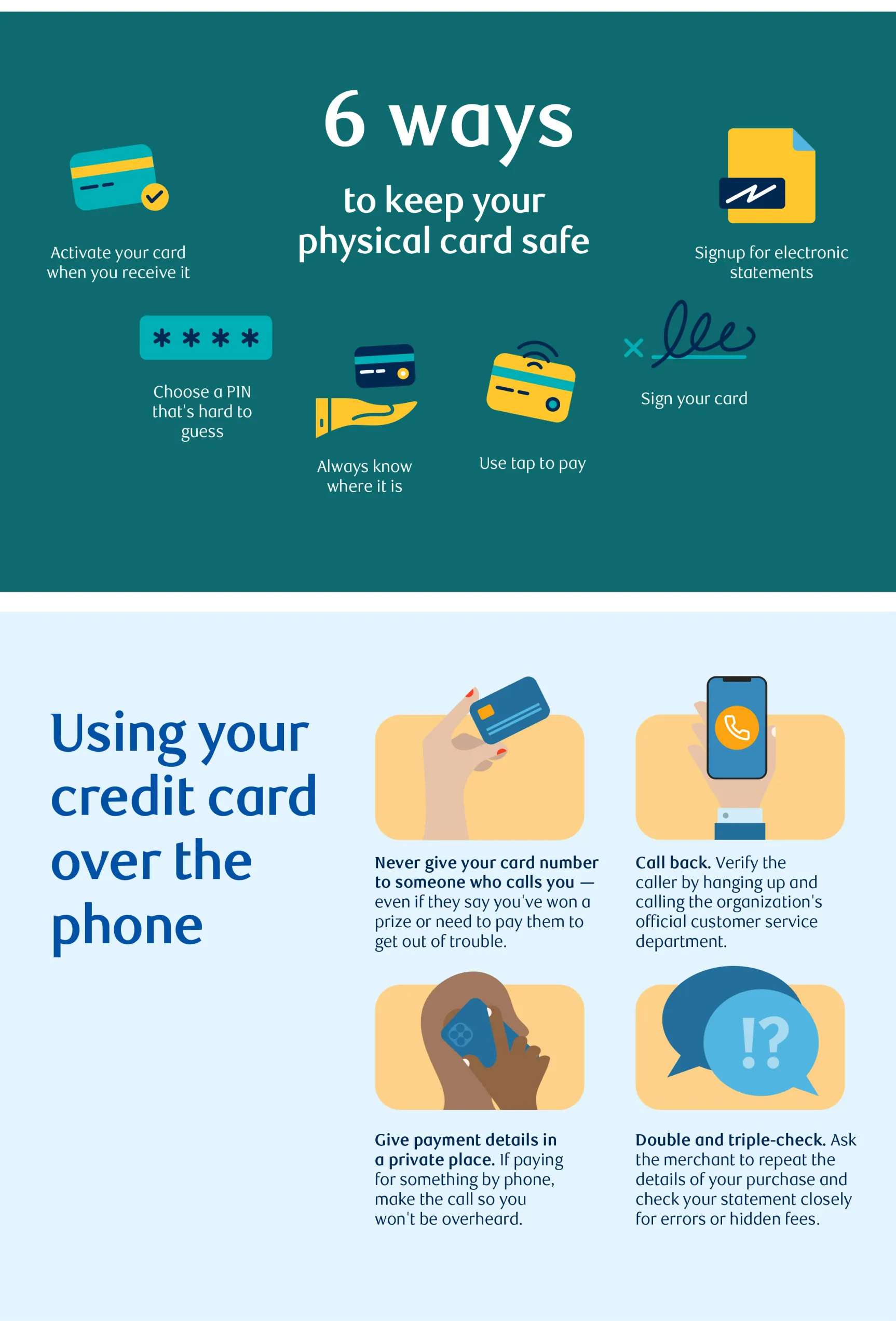
Never Share Sensitive Information
Do NOT share:
- OTP
- CVV
- PIN
- Full card details
Banks will never ask for these.
Avoid Unknown Apps & Links
- Never install APK files
- Use only official app stores
- Avoid clicking unknown links
Verify Before You Trust
- Disconnect suspicious calls
- Contact your bank directly
- Don’t rely on caller ID
Monitor Your Finances Regularly
- Enable transaction alerts
- Check statements frequently
- Report suspicious activity immediately
Act Immediately if Something Feels Wrong
- Block your card
- Inform your bank
- Report to cybercrime authorities
Quick action can prevent further loss.
Stay Alert to Red Flags
Watch out for:
- Urgent requests
- Requests for OTP or screen sharing
- Unknown apps or downloads
Final Thoughts
The biggest lesson from the past year is clear:
Credit card fraud is no longer just about hacking—it’s about manipulation.
Most victims aren’t careless—they’re tricked in moments of urgency, trust, or confusion.
Staying safe today means:
- Being cautious
- Questioning everything
- Acting quickly when something feels off
By [Tommy Thounaojam] Editor MicroMunch

Stay updated with our latest news and articles. Join our newsletter!
Trending Now
No trending posts found.
Related Articles
Debug: Tags used: credit card fraud 2025, credit card scams, how to avoid credit card fraud, banking scams India, online fraud prevention, OTP scam, APK scam, phishing attacks, cyber fraud awareness, financial security tips, identity theft, credit card safety tips, scam wa