Evolution of Semiconductors: From Vacuum Tubes to AI Chips | Market Growth & Future
2026-06-25
From Vacuum Tubes to AI Superchips: How Semiconductors Became the World's Most Valuable Technology
Every swipe on a smartphone, every ChatGPT prompt, every electric vehicle, satellite, cloud server and MRI scanner depends on a tiny piece of silicon no larger than a fingernail.
The semiconductor chip has quietly become the foundation of the modern economy. While oil powered the Industrial Age and the internet defined the Information Age, semiconductors are emerging as the strategic resource of the AI Age. Nations compete to manufacture them, companies spend hundreds of billions designing them, and investors increasingly view them as the backbone of the next decade of technological growth.
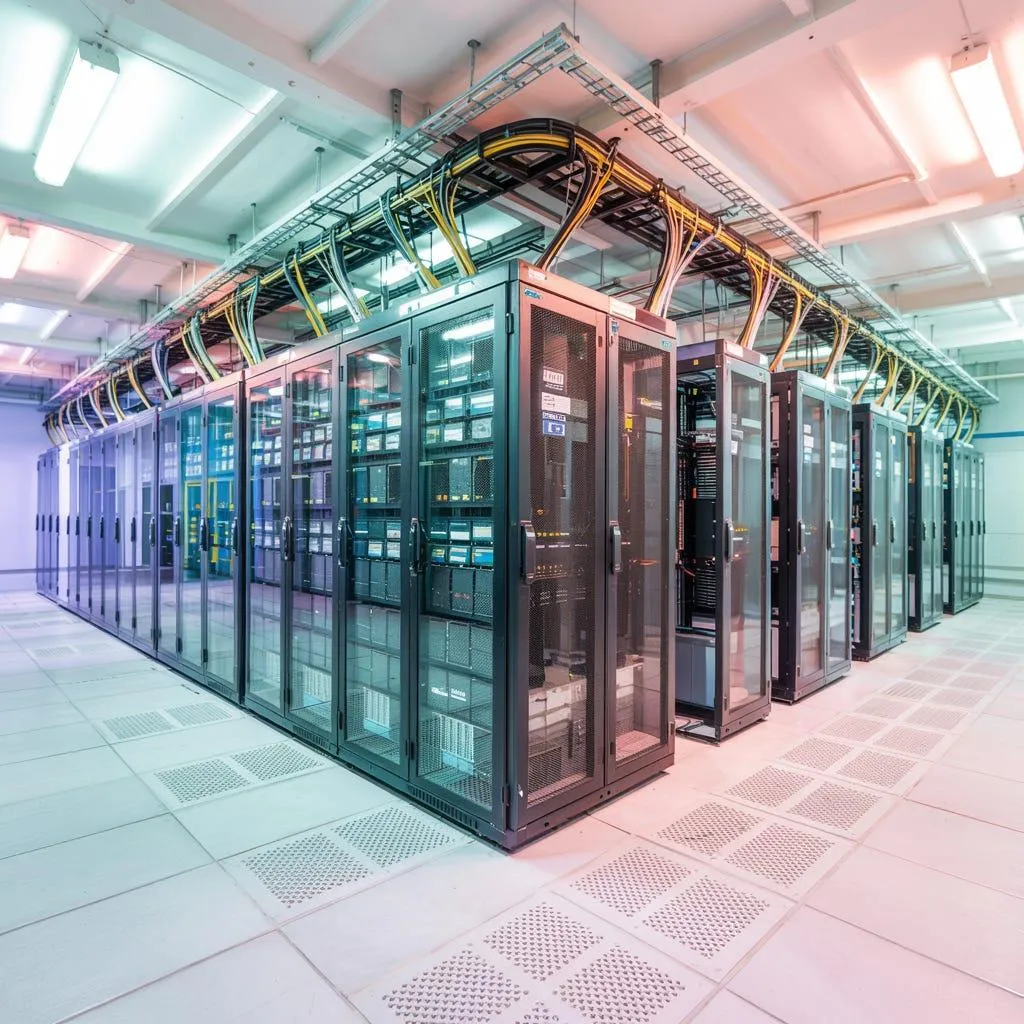
Yet the story of semiconductors did not begin with artificial intelligence or smartphones. It began with fragile vacuum tubes occupying entire rooms, consuming enormous amounts of electricity while performing calculations slower than today's digital watches.
In less than eighty years, the industry has evolved from a single transistor acting as an electronic switch into chips containing well over 100 billion transistors capable of performing trillions of operations every second. Along the way, semiconductors have reshaped computing, communications, healthcare, transportation, finance and global geopolitics.
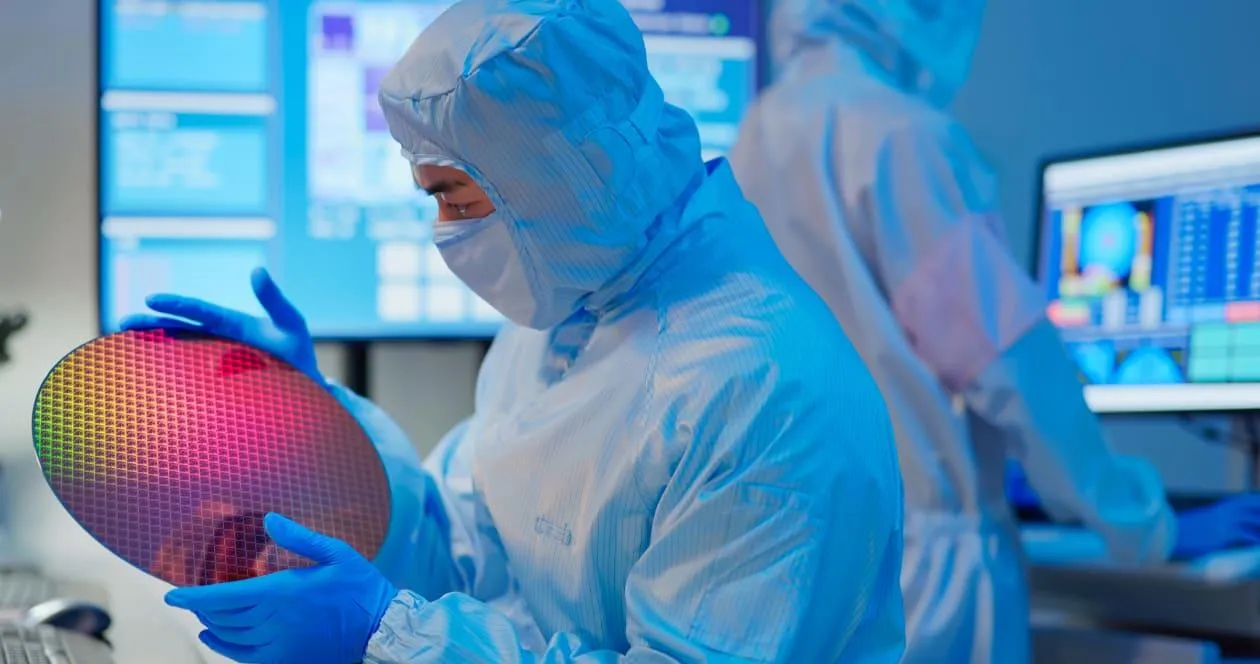
Today, the semiconductor market is racing toward the trillion-dollar milestone, driven by AI infrastructure, autonomous systems, cloud computing and advanced manufacturing. Understanding this evolution offers valuable insight into where technology—and the global economy—is headed next.
What Is a Semiconductor?
A semiconductor is a material—typically silicon—that conducts electricity only under controlled conditions. Unlike metals, which always conduct electricity, or insulators, which do not, semiconductors can be engineered to act as precise electronic switches.
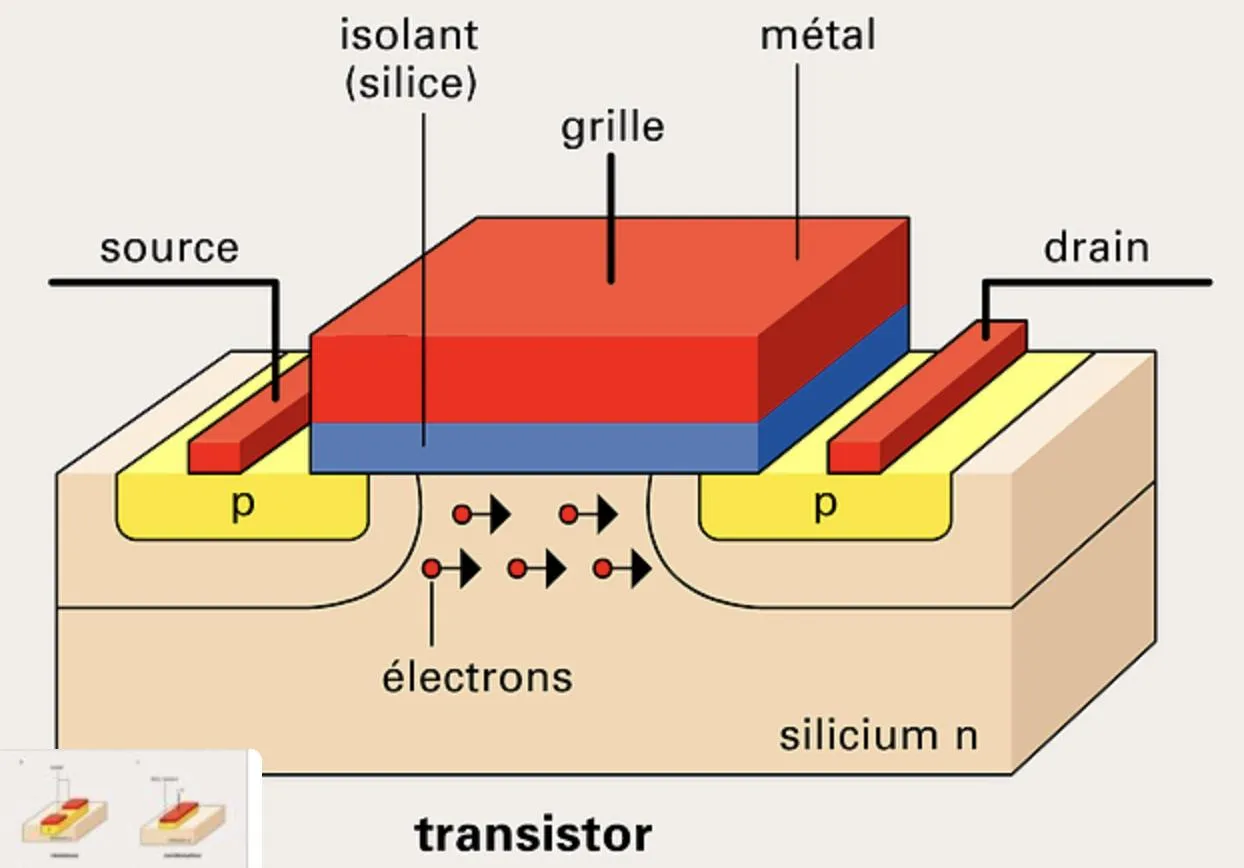
These microscopic switches, known as transistors, form the basic building blocks of every modern integrated circuit. Billions of them work together to perform calculations, store data, process graphics and run artificial intelligence models.
Today, semiconductors are embedded in nearly every electronic device, including smartphones, laptops, automobiles, aircraft, industrial robots and cloud data centers.
Before Silicon: The Age of Vacuum Tubes
The earliest electronic computers relied on vacuum tubes to regulate electrical signals.
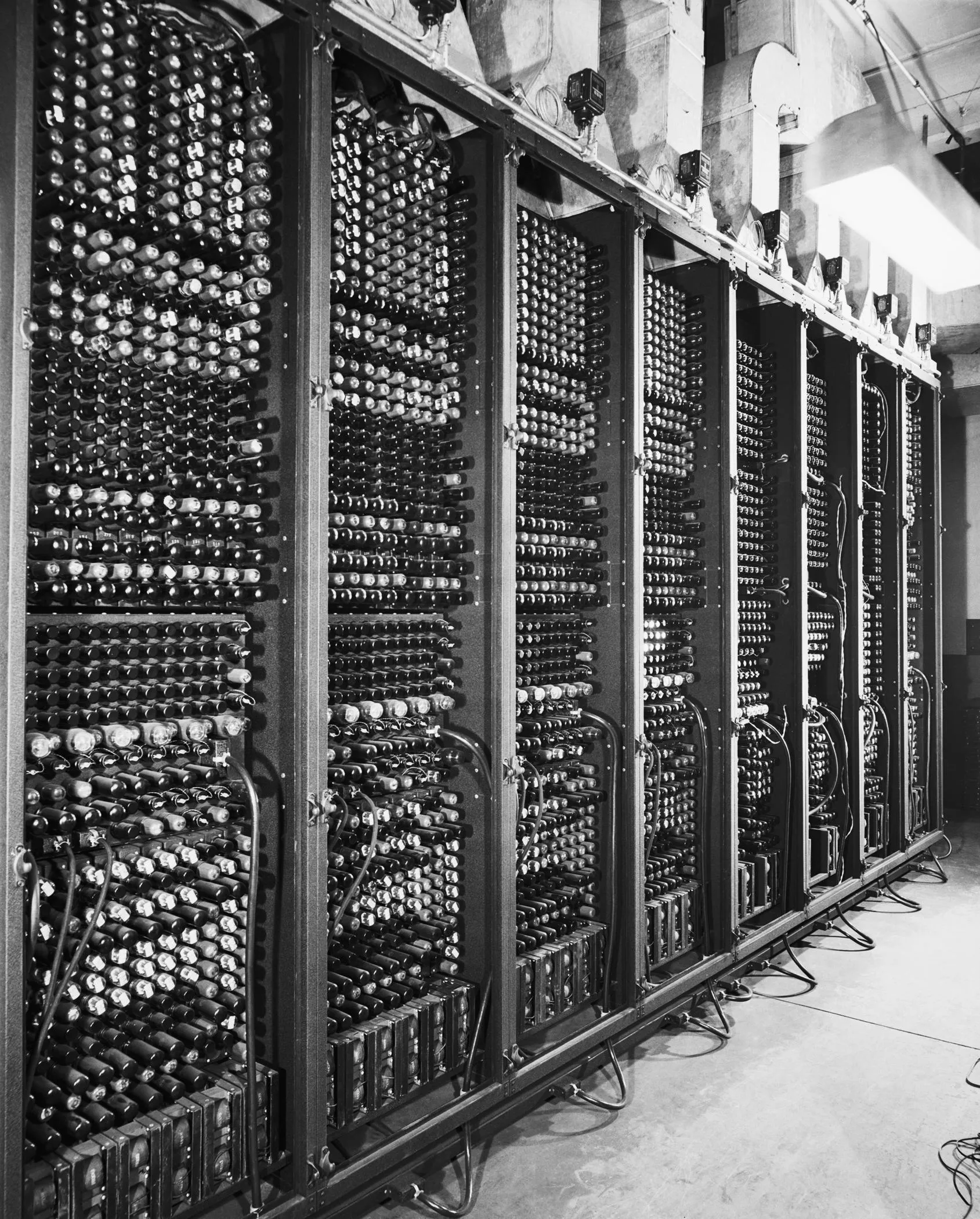
While revolutionary for their time, vacuum tubes were enormous, inefficient and unreliable. They consumed vast amounts of power, generated excessive heat and frequently failed.
The Electronic Numerical Integrator and Computer (ENIAC), completed in 1945, used approximately 18,000 vacuum tubes, occupied nearly 1,800 square feet, weighed around 30 tons and consumed roughly 150 kilowatts of electricity.
Engineers quickly realized that electronics needed something smaller, faster and significantly more reliable.
1947: The Invention That Changed Everything
The turning point arrived in December 1947 at Bell Laboratories.
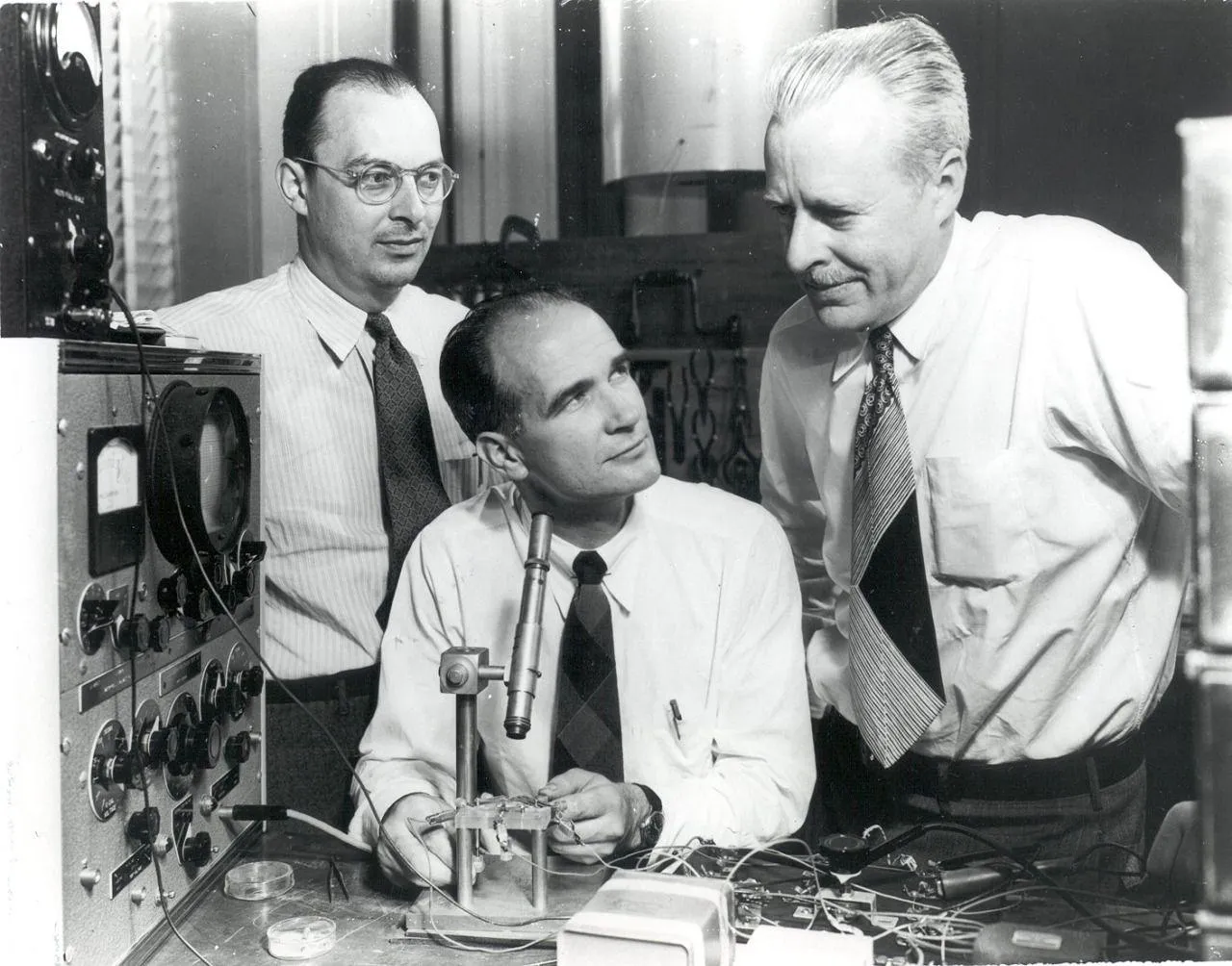
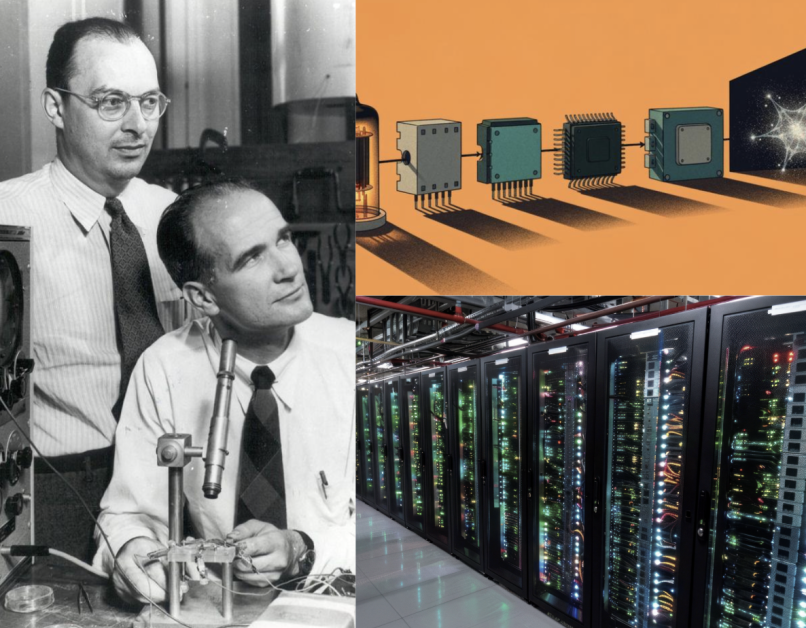
Researchers John Bardeen, Walter Brattain and William Shockley successfully demonstrated the world's first transistor.
Unlike vacuum tubes, transistors required no heating element, consumed dramatically less electricity and were small enough to fit inside portable electronics.
The invention earned the trio the Nobel Prize in Physics and is widely regarded as one of the most important technological breakthroughs of the twentieth century.
Few inventions have created more economic value.
Integrated Circuits: The Birth of Modern Electronics
During the 1950s, engineers faced a new challenge.
Although transistors were significantly smaller than vacuum tubes, complex computers still required thousands of individual components connected manually.
In 1958, Jack Kilby at Texas Instruments and Robert Noyce at Fairchild Semiconductor independently developed the integrated circuit.
Instead of assembling individual transistors, engineers could now fabricate thousands of components directly onto a single silicon chip.
The innovation reduced manufacturing costs while dramatically improving reliability and computing performance.
Integrated circuits paved the way for calculators, military guidance systems, telecommunications equipment and the first commercially viable computers.
The Microprocessor Revolution
The next breakthrough arrived in 1971.
Intel introduced the Intel 4004, the world's first commercially available microprocessor.
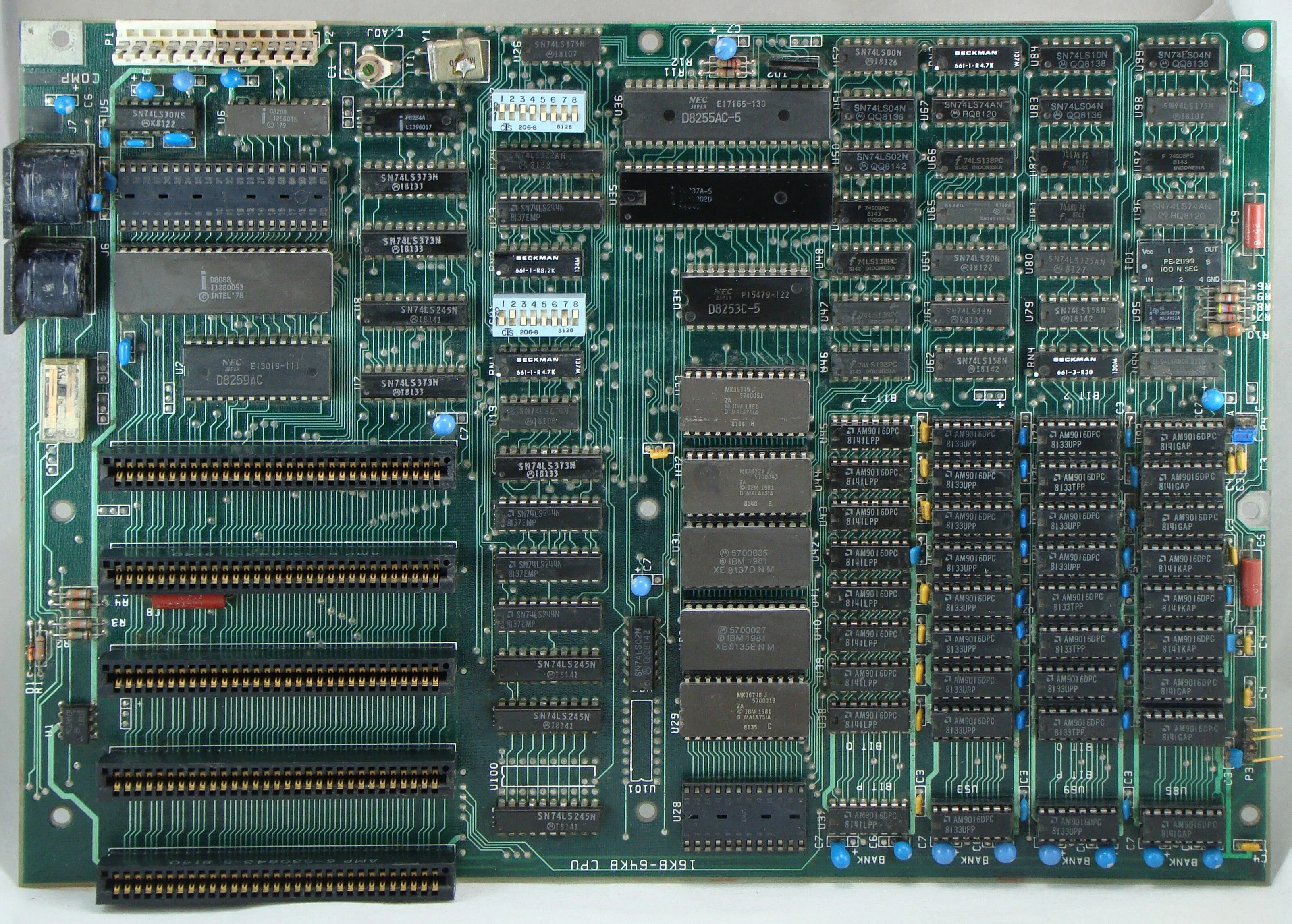
Containing just 2,300 transistors and operating at approximately 740 kHz, the chip integrated an entire central processing unit onto one piece of silicon.
Although primitive by today's standards, the Intel 4004 transformed computing.
It laid the foundation for:
- Personal computers
- Video game consoles
- Industrial automation
- Digital consumer electronics
- Embedded systems
The age of computing had officially begun.
Moore's Law: The Engine Behind Five Decades of Innovation
In 1965, Intel co-founder Gordon Moore observed that the number of transistors on integrated circuits appeared to double roughly every two years while manufacturing costs remained relatively stable.
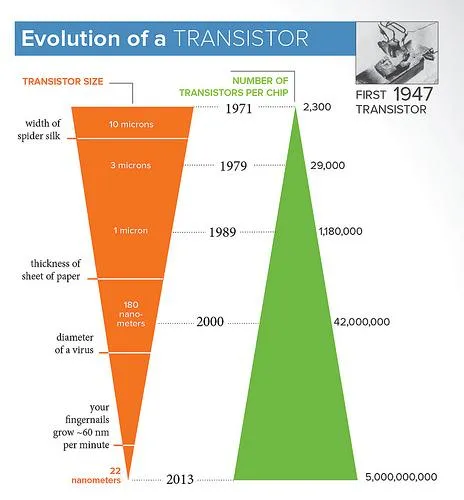
Known today as Moore's Law, this prediction became one of the most influential principles in technology.
| Year | Approximate Transistors |
|---|---|
| 1971 | 2,300 |
| 1982 | 134,000 |
| 1993 | 3.1 million |
| 2000 | 42 million |
| 2010 | Over 1 billion |
| 2025 | More than 100 billion |
This relentless scaling enabled faster processors, cheaper electronics and entirely new industries.
Modern smartphones now outperform supercomputers from several decades ago while consuming only a fraction of the power.
The Business Evolution of the Semiconductor Market
The semiconductor industry's commercial growth mirrors its technological progress.
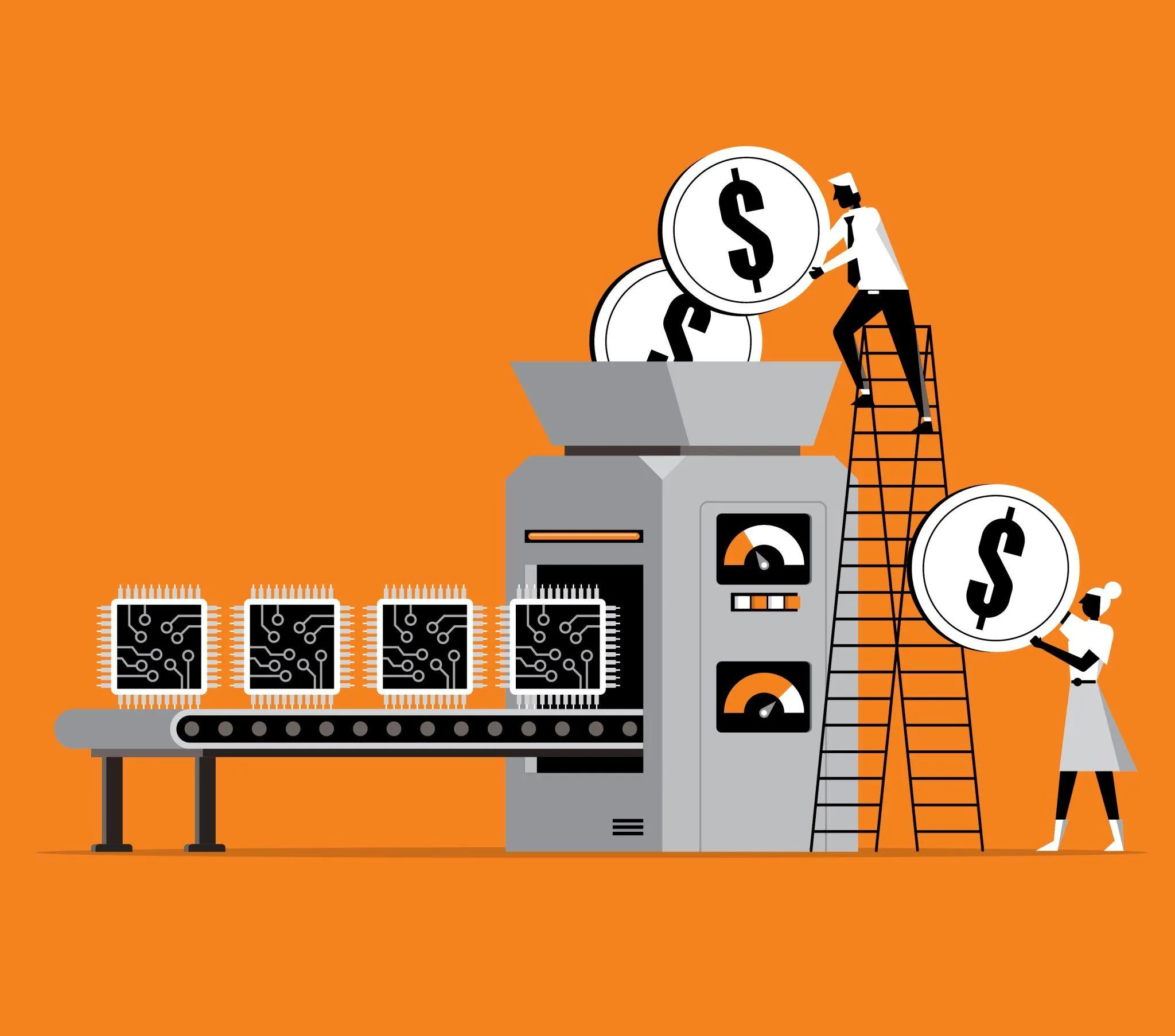
Every two decades, the market has expanded by an order of magnitude, creating enormous shareholder value and reshaping global supply chains.
Global Semiconductor Market Growth
| Year | Estimated Market Value |
| 1965 | Less than $1 Billion |
| 1985 | Approximately $30 Billion |
| 2005 | Approximately $227 Billion |
| 2025 | Approximately $700 Billion+ |
| Early 2030s (Forecast) | Around $1 Trillion |
Several technology waves fueled this expansion.
The personal computer boom drove demand throughout the 1980s.
The internet accelerated growth during the 1990s.
Smartphones reshaped the market after 2007.
Today, artificial intelligence has become the industry's largest growth catalyst.
Unlike previous cycles driven primarily by consumer electronics, AI infrastructure requires unprecedented computing power, memory bandwidth and specialized processors, significantly increasing semiconductor demand across enterprise markets.
The Smartphone Revolution Changed Everything
When Apple introduced the iPhone in 2007, semiconductors entered a new era.
Consumers demanded devices that were faster, thinner and more power efficient.
Chipmakers responded by integrating multiple computing functions into a single System-on-Chip (SoC).
Modern smartphone processors combine:
- CPU
- GPU
- Neural Processing Unit (NPU)
- Image Signal Processor
- Security processor
- 5G modem
Companies including Apple, Qualcomm and MediaTek transformed semiconductor design around mobile computing, producing chips that rival desktop processors from just fifteen years ago.
AI Is Creating the Largest Semiconductor Boom in History
Artificial intelligence represents perhaps the most significant shift in semiconductor demand since the invention of the personal computer.
Training large language models requires enormous computational resources.
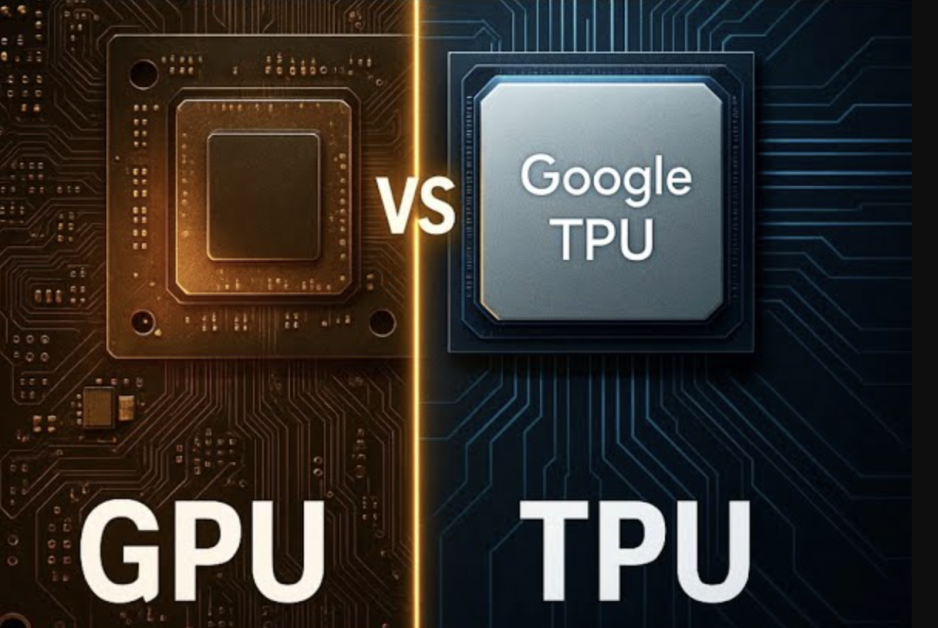
Instead of conventional CPUs, AI workloads rely heavily on graphics processing units (GPUs) and dedicated AI accelerators.
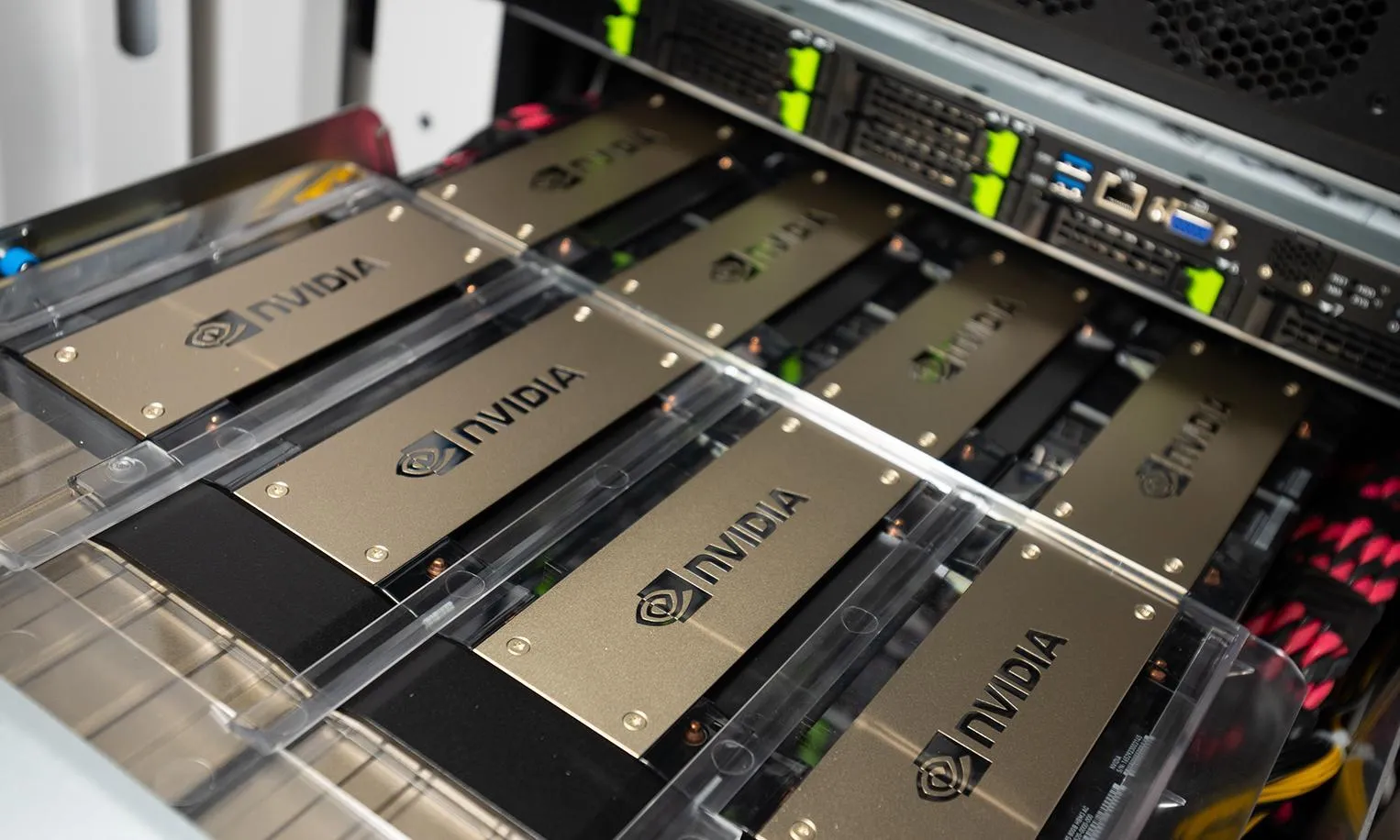
NVIDIA has emerged as the dominant supplier of AI chips, while AMD, Intel, Google, Amazon and numerous startups are investing billions to develop competing architectures.
AI servers often contain dozens of advanced processors connected through ultra-high-speed networking, consuming thousands of watts of power while performing trillions of mathematical operations every second.
Demand has expanded beyond cloud providers into automotive, healthcare, manufacturing, robotics and scientific research.
The AI revolution has fundamentally altered semiconductor economics.
The Companies Shaping the Modern Semiconductor Industry
Today's semiconductor ecosystem is highly specialized.
Rather than manufacturing every component internally, companies increasingly focus on specific parts of the value chain.
NVIDIA dominates AI accelerators.
AMD competes across CPUs and GPUs.
Intel remains a leader in processors while investing heavily in advanced manufacturing.
TSMC manufactures chips for many of the world's largest technology companies.
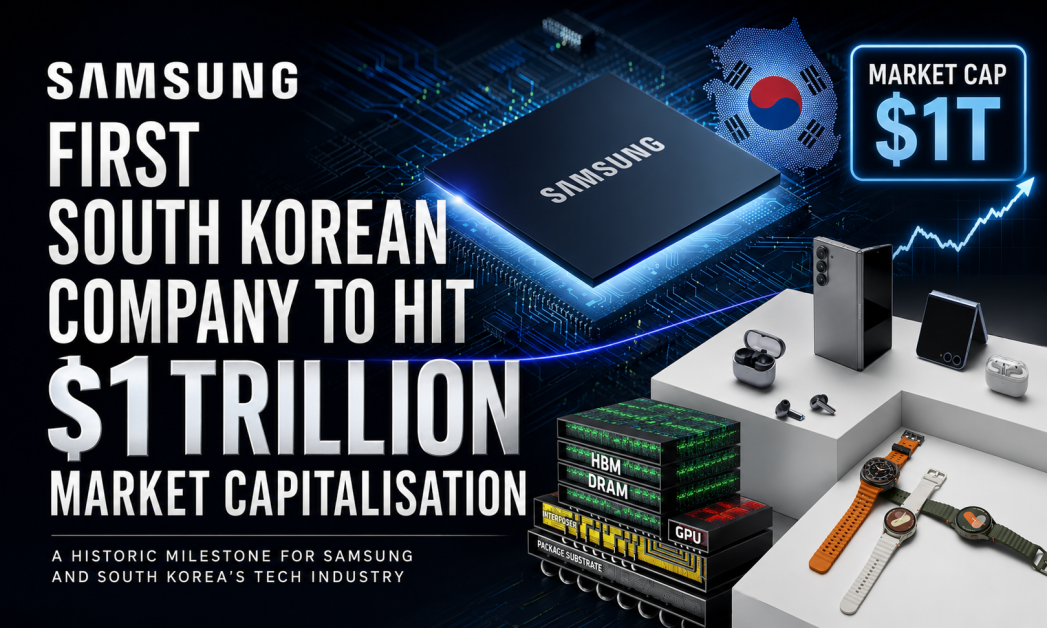
Samsung Electronics combines memory leadership with advanced fabrication.
Qualcomm powers much of the global smartphone ecosystem.
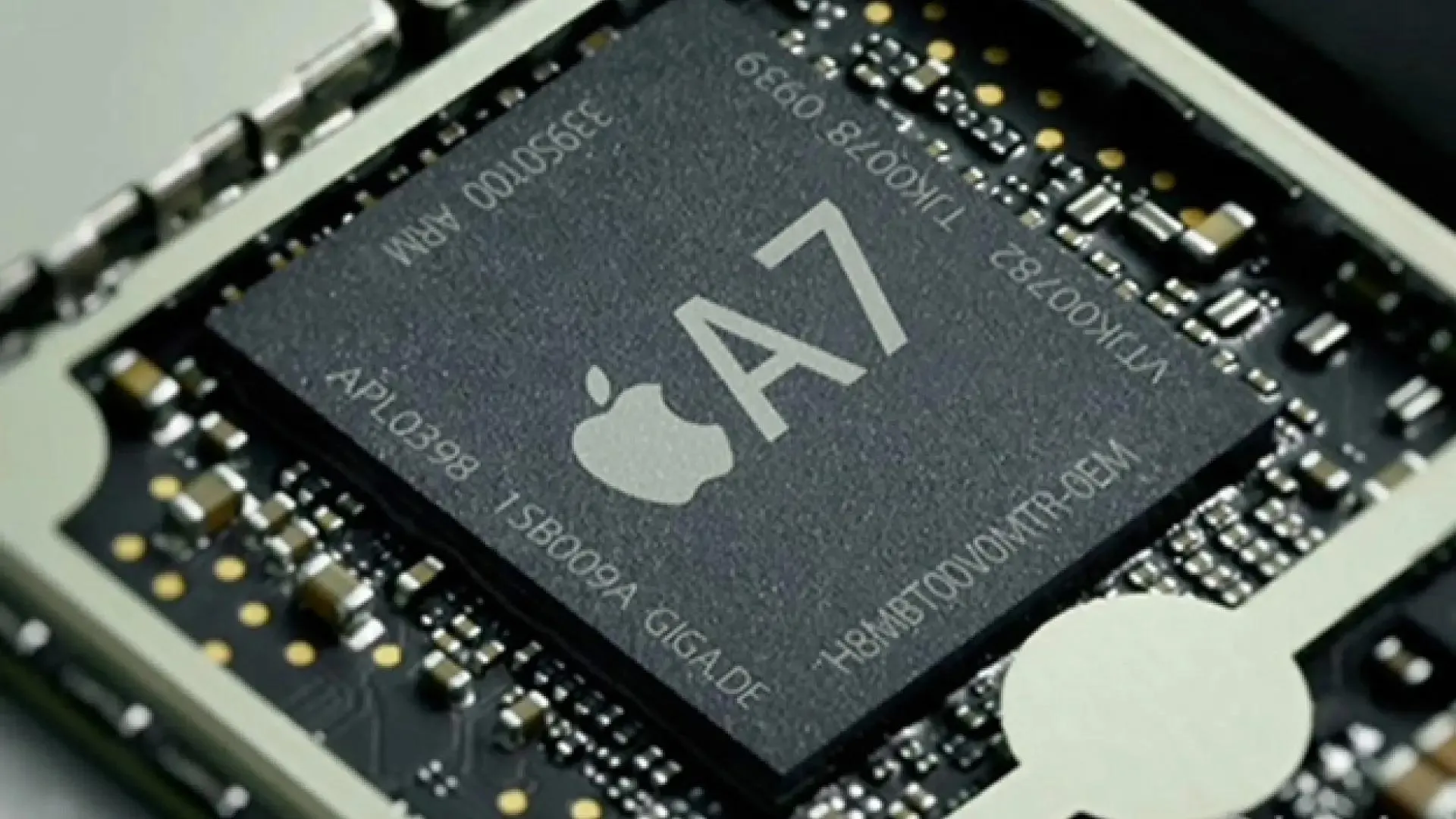
Apple designs custom silicon for iPhones, iPads and Mac computers.
Meanwhile, companies such as ASML produce the extreme ultraviolet lithography systems required to manufacture the world's most advanced chips.
Together, these firms represent one of the most strategically important supply chains in the global economy.
Why Semiconductors Have Become a Geopolitical Priority
The COVID-19 pandemic exposed vulnerabilities in semiconductor supply chains.
Automobile production slowed.
Consumer electronics faced shortages.
Industrial manufacturers struggled to secure components.
Governments responded by recognizing semiconductors as strategic national assets.
The United States launched the CHIPS and Science Act.
Europe introduced the European Chips Act.
China accelerated domestic semiconductor investment.
Japan, South Korea, India and Taiwan also expanded manufacturing incentives.
Today, semiconductor manufacturing is viewed not only as an economic priority but increasingly as a national security concern.
How Small Have Transistors Become?
One of the most remarkable achievements in engineering is transistor miniaturization.
A human hair measures roughly 70,000 to 100,000 nanometers in diameter.
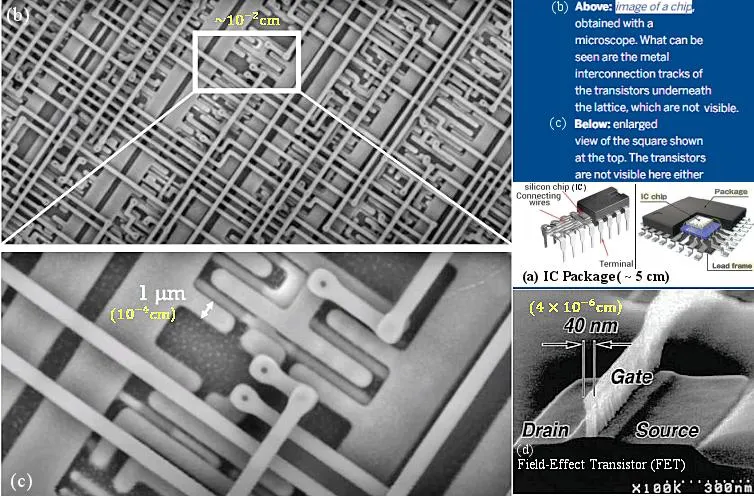
Modern semiconductor manufacturing produces transistor features measuring only a few nanometers.
If the transistor inside Intel's original 4004 processor were enlarged to the size of a family sedan, today's leading-edge transistor would be comparable to a small insect.
Despite their microscopic dimensions, billions of these devices operate simultaneously with astonishing precision.
The Future of Semiconductors
Although Moore's Law is slowing, semiconductor innovation is far from over.
Researchers are exploring several transformative technologies.
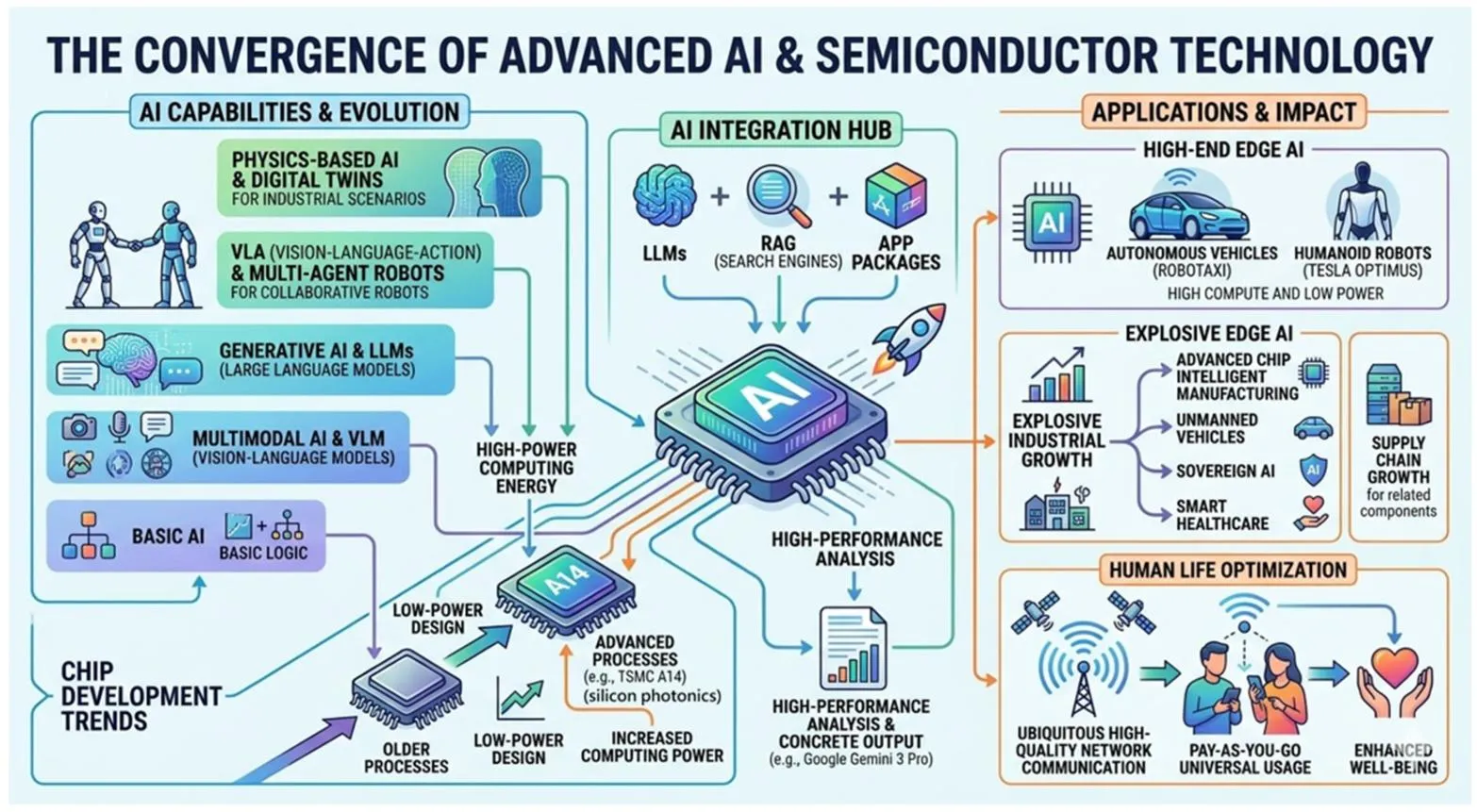
Three-dimensional chip stacking allows engineers to increase transistor density vertically rather than horizontally.
Photonic computing aims to replace electrical signals with light for dramatically higher bandwidth.
Quantum computing seeks to solve problems impossible for classical computers.
New materials such as gallium nitride, silicon carbide and two-dimensional semiconductors promise improved efficiency for electric vehicles, renewable energy and high-frequency communications.
At the same time, AI-specific processors are becoming increasingly specialized, optimized for machine learning rather than general-purpose computing.
The future of semiconductors will likely be defined less by transistor scaling alone and more by architectural innovation, advanced packaging and heterogeneous computing.
Also Read: The Billion-Dollar AI Battle Behind Silicon Valley
Conclusion
The semiconductor industry represents one of humanity's greatest engineering achievements.
From fragile vacuum tubes filling entire rooms to microscopic chips containing more than 100 billion transistors, the journey has transformed every sector of the global economy.

Each technological wave—from integrated circuits and personal computers to smartphones and artificial intelligence—has expanded both the capabilities of semiconductors and the markets they serve.
Today, chips are no longer merely components inside electronic devices; they have become strategic assets that influence economic competitiveness, national security and technological leadership.
As artificial intelligence accelerates demand and governments invest heavily in domestic manufacturing, the semiconductor industry appears poised to become the world's next trillion-dollar technology market.
The companies designing, manufacturing and supplying these tiny pieces of silicon will continue to shape the future of computing—and, increasingly, the future of the global economy itself.
By Tommy Thounaojam- Editor MicroMunch
Frequently Asked Questions
What is a semiconductor?
A semiconductor is a material, typically silicon, that can conduct electricity under controlled conditions, making it the foundation of modern electronic devices.
Why are semiconductors important?
Semiconductors power computers, smartphones, automobiles, cloud data centers, medical devices, industrial equipment and AI systems.
What was the first semiconductor breakthrough?
The invention of the transistor at Bell Labs in 1947 replaced vacuum tubes and revolutionized electronics.
What is Moore's Law?
Moore's Law states that the number of transistors on a chip roughly doubles every two years, driving decades of exponential improvements in computing performance.
Why is the semiconductor market growing so quickly?
Growth is being fueled by artificial intelligence, cloud computing, electric vehicles, 5G networks, industrial automation and advanced consumer electronics.
Which companies dominate the semiconductor industry?
Major players include NVIDIA, TSMC, Intel, Samsung Electronics, AMD, Qualcomm, Broadcom, Apple and ASML.

Stay updated with our latest news and articles. Join our newsletter!
Trending Now
No trending posts found.