
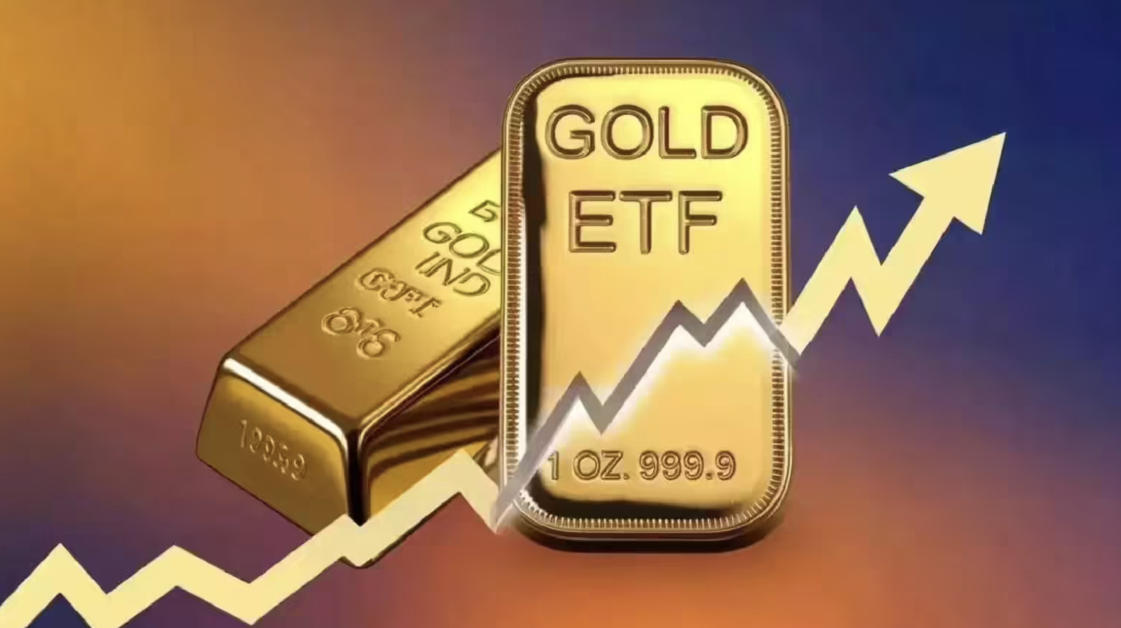
Market Mood Shift: Gold & Silver Prices Correct After Strong Rally
2026-03-23
At the start of the year, we saw gold and silver prices skyrocket, and many predicted they would remain the same. Yet the sudden shift in gold and silver market prices is unexpectedly surprising, a happy one for some at that. Just a few months ago, gold and silver were in an unprecedented bull run, with gold crossing $5,500 per ounce (Jan 2026 peak) and silver surging above $120 per ounce.
In 2025–early 2026, Gold had gained ~65%, and Silver surged ~150%, this prices hike were a result of: global geopolitical tensions (including Middle East conflict), central bank buying, inflation fears, interest rate cuts in 2025, and a weak US dollar (earlier phase). This created a classic safe-haven rally, pushing prices to extreme highs. Reportedly, gold and silver rates today have dropped 2%, what can be the reason, and until when will this last? Is it a good or bad shift? Let’s explore.
The Fall Factor: Key Reasons Behind the Fall in Gold and Silver Prices
Recently, gold and silver prices have corrected sharply; the prices for gold fell over 2% in a single session, and weekly dropped to ~10–13%. As for silver prices today, it has dropped 3–10% in short spans, and in some cases, even 20–25% from highs. Reportedly, this is not a small dip; it’s a broad correction after an overextended rally.
This dip has even affected the gold and silver mutual fund prices and stock prices, as their valuations track underlying metal prices. Investor sentiment has weakened, leading to outflows and lower NAVs. Mining and ETF-linked stocks have also corrected, reflecting reduced demand, profit booking, and broader market volatility. Despite war and uncertainty, which usually boost gold prices, they are falling due to macro-financial shifts, they are as follows:
Rising Interest Rates: Gold is a non-yielding*(holding physical gold does not produce regular income, such as interest, dividends, or rent, unlike bonds, stocks, or real estate) asset as it does not generate income frequently, hence investors prefer bonds & fixed returns giving higher interest rates. Fed rate hike expectations increased.
Strong US Dollar: Gold is priced in USD, which is a stronger dollar; hence, gold becomes expensive globally, and demand drops, leading to a price drop.
Profit Booking: Investors who bought early are now selling to lock in profits. This increases supply, but demand remains stagnant, pushing the prices down.
First Element of Liquidity Crunch: During a cash crunch, investors often sell gold to cover losses elsewhere, as gold is a highly liquid asset that gets instant cash compared to stocks. This increased selling pressure pushes prices down.
Oil Shock & Inflation Paradox: Due to the Middle East war, oil prices surged, and to control inflation, central banks signal tighter monetary policy, meaning higher interest rates. Hence, instead of boosting gold, it increased inflation fears, leading to expectations of tighter monetary policy.
Market Repositioning: Gold is seen more as a rate-sensitive financial asset today, and less like a “safe haven.”
What is a Gold ETF & How It is Different From Physical Gold
Gold ETF (Exchange-Traded Fund): A Gold ETF is a fund traded on stock exchanges that tracks the price of gold digitally, and no physical holding is required. Each unit typically represents a fixed quantity of gold (e.g., 1 gram or less), backed by physical gold stored by the fund. One popular example includes SPDR Gold Shares. They are highly liquid, price moves instantly with global markets, and they are influenced by: Institutional flows, Global sentiment.
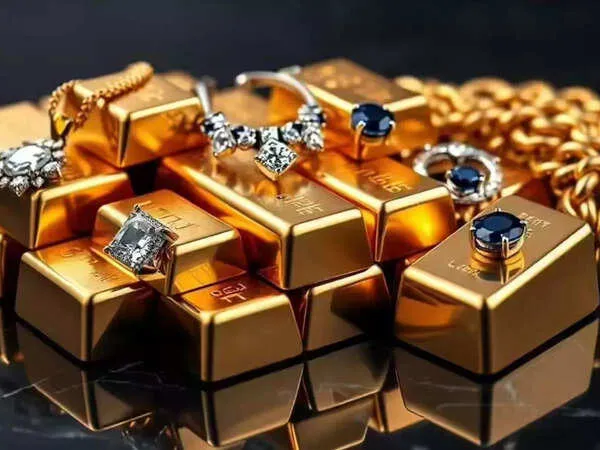
On the contrary, physical Gold includes coins, bars, and jewellery. They require a physical and are looked at in the form of assets. Their price includes making charges, GST, and local demand/supply, making their final cost more than the actual market price of the element gold.
Why ETF and Physical Prices Differ
Gold ETF prices and physical gold differ due to pricing structure and cost components.
ETFs track international gold prices in real time and are influenced by market demand, liquidity, and investor flows.
Physical gold includes additional costs like making charges, GST, storage, and dealer margins. Currency exchange rates also impact local physical prices.
While gold ETFs offer transparency and ease of trading, physical gold reflects regional demand-supply dynamics, causing slight price variations between the two forms.
Role of Exchange Rates in Gold Pricing
Gold in India depends heavily on the USD–INR exchange rate. So speaking, the formula can be calculated as: Indian Gold Price = International Gold Price × USD/INR + Import Duties.
What’s happening now is that the USD is strengthening, and the Rupee is relatively weaker.
This cushions the fall in India, for example: Global gold has decreased 10%, and the INR weakens, so Indian gold may fall only ~5–7%.
This explains why Indian prices often fall less than global prices.
How the Price Drop Mechanism Works
The current drop is driven by a chain reaction of factors, such as:
Increasing oil prices are leading to an increase in inflation fears and dropping gold prices
Central banks signal higher rates, reducing demand for gold and pressuring its price downward.
Bond yields increase, so gold demand decreases, causing a dip in prices.
Investors shift from gold to bonds/cash. This reallocation reduces gold holdings, increasing selling pressure and declining gold prices.
Gold & silver selling increases and prices drop due to this imbalance, accelerating the downward trend in precious metals.
Simultaneously, profit booking accelerates decline, and silver and gold ETF outflows amplify volatility and accelerate the overall decline.
Future Outlook: How to Predict Gold & Silver Prices
With all the gold and silver ETFs and assets people invest in, many are curious about how gold and silver ETF prices are determined. The key Indicators to track are as follows:
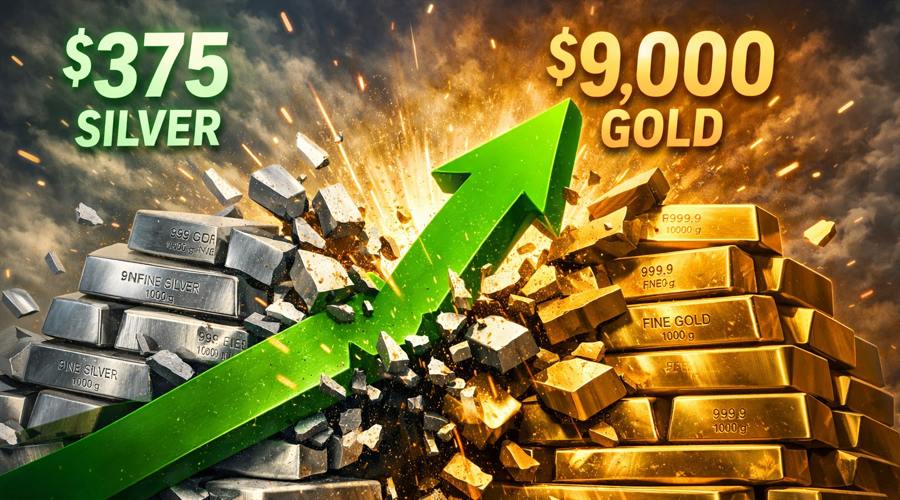
Interest Rates: these are most important to know as the rising of interest rates is bearish for gold, falling.
US Dollar Index: is the US dollar is strong it indicated gold prices fall, and a weak dollar indicates that gold rises.
Bond Yields: if bonds and stocks are yielding higher, investors will naturally shift away from gold investment.
Inflation Data (CPI): if the inflation is high and rates are low, the gold and silver prices rise
Crude Oil Prices: if the crude oil prices fluctuate, it impacts inflation and global liquidity, dipping teh gold and silver prices.
ETF Flows: Heavy inflow means more money entering the gold ETFs, so it's bullish, pushing prices higher. Outflow indicates withdrawing funds, reducing demand, signalling a bearish trend in the short term.
Geopolitical Risk: War usually boosts gold, but only if liquidity remains stable, or the prices of gold and silver might dip.
Currently, short-term gold investments are likely to be volatile. Possible mild rebound but limited upside
Medium-Term: Dependent on Interest rates, Dollar strength, and war developments.
In the long term, it's still bullish due to inflation, debt levels, and geopolitical instability.
People Are Curious About
How much is 1kg of silver in India today?
Ans) As of March 2026, silver prices in India are fluctuating between ₹2.5 lakh to ₹2.75 lakh per kg, depending on market conditions and city. Recent data shows silver around ₹2,73,500 per kg on MCX, though prices have dropped sharply in recent sessions due to global pressures and volatility.
What is the current price of gold and silver?
Ans) Currently, 24K gold is around ₹1.36 lakh to ₹1.60 lakh per 10 grams, depending on daily fluctuations. Silver is trading near ₹2.5–2.7 lakh per kg. Prices have recently declined due to a stronger dollar, rising interest rates, and global uncertainty impacting precious metals demand.
Why does the gold price fall?
Ans) Gold prices fall mainly due to rising interest rates, a stronger US dollar, and profit booking. When bond yields increase, investors shift from gold to interest-bearing assets. Additionally, global stability reduces safe-haven demand, and liquidity needs force selling, pushing prices lower in the short term.
What is 24-carat gold?
Ans) 24-carat gold is the purest form of gold, containing 99.9% gold with minimal impurities. It has a bright yellow colour and is mainly used for investment purposes, like coins and bars. However, it is softer and less durable, making it unsuitable for intricate jewellery designs.
Which gold is best to buy?
Ans) The best gold depends on the purpose. For investment, 24K gold (coins, bars, ETFs) is ideal due to purity. For jewellery, 22K gold is preferred as it is more durable. Investors often choose digital gold or ETFs for convenience, while traditional buyers prefer physical gold for cultural and long-term value.
What is the gold ETF price? Is it safe to invest?
Ans) Gold ETF prices in India vary by fund but typically range around ₹130–₹160 per unit for popular ETFs like Nippon or SBI Gold ETF. Gold ETFs are generally safe as they track physical gold prices, offer liquidity, and avoid storage risks. However, they are subject to market volatility, so they are best suited for long-term investment and portfolio diversification rather than short-term gains.
Final Insight
After a skyrocketing price in gold prices, the recent 2% drop seems a lot, but it is not a crash in isolation, rather part of a larger correction after an extraordinary rally. Gold and silver had become overbought. Market dynamics have shifted toward interest rates and liquidity.
Short-term weakness doesn’t necessarily change long-term strength. The market is transitioning from fear-driven buying to rate-driven pricing. The dip might not only be an experience, but it surely would not remain the same in future. So for the ones freshly investing, this is a good enough opportunity, and those facing burns of gold and silver price drop need to hold for the gold market price to increase.
By P. Manika (Performist Content Writer)

Stay updated with our latest news and articles. Join our newsletter!
Trending Now
No trending posts found.
Related Articles
Debug: Tags used: gold and silver rate today, gold and silver mutual fund, gold and silver price today, gold and silver news, gold ETF price, silver ETF prices, gold and silver ETF price today, how gold and silver ETF prices are determined