Quick Commerce Is Becoming the New Infrastructure of Everyday Life
2026-09-25
This is the central idea behind the evolution of quick commerce in the U.S. What began as a race to deliver groceries and convenience products in 10 or 20 minutes is becoming a much broader contest over everyday consumption. Amazon, DoorDash, Walmart, Uber, Instacart and Gopuff are increasingly competing for the same behavior: the moment when a consumer decides that convenience is worth more than making the trip to a physical store.
But the ultimate winner is unlikely to be the company that delivers the fastest. It will be the company that becomes the consumer's default interface for everyday needs—and can use that relationship to make every additional transaction cheaper, faster and more valuable. In other words, the prize is not the last mile. It is ownership of the consumer's first click.
The end of the “shopping trip”
Traditional e-commerce removed one part of the shopping experience: the need to physically visit a retailer. Quick commerce is removing another: the need to plan ahead.
That distinction is more important than it may initially appear. Consumers historically accepted that certain purchases required planning. Grocery shopping happened once or twice a week. Household supplies were purchased when the next store trip was due. Restaurant delivery was an occasional convenience. Electronics and other retail purchases could wait for standard shipping.
Rapid delivery changes those assumptions. If a product can arrive within an hour, the consumer no longer has to decide whether an item is sufficiently important to justify a trip. The threshold for ordering falls. A forgotten ingredient, a household item, a snack, a battery or a personal-care product can become an immediate digital transaction rather than a future shopping-list item.
The result is a subtle but important change in consumer behavior: convenience is becoming a reason to purchase, rather than simply a benefit attached to the purchase.
From 10-minute groceries to everything nearby
The first generation of quick commerce was built around a relatively narrow proposition. Companies established small fulfillment centers, stocked them with high-frequency products and promised delivery in minutes.
That model remains relevant, but the U.S. market is evolving beyond it. Grocery is still an important part of quick commerce, but consumers are increasingly using rapid-delivery networks for convenience products, pharmacy items, pet supplies, electronics, beauty products, household goods and other retail categories.
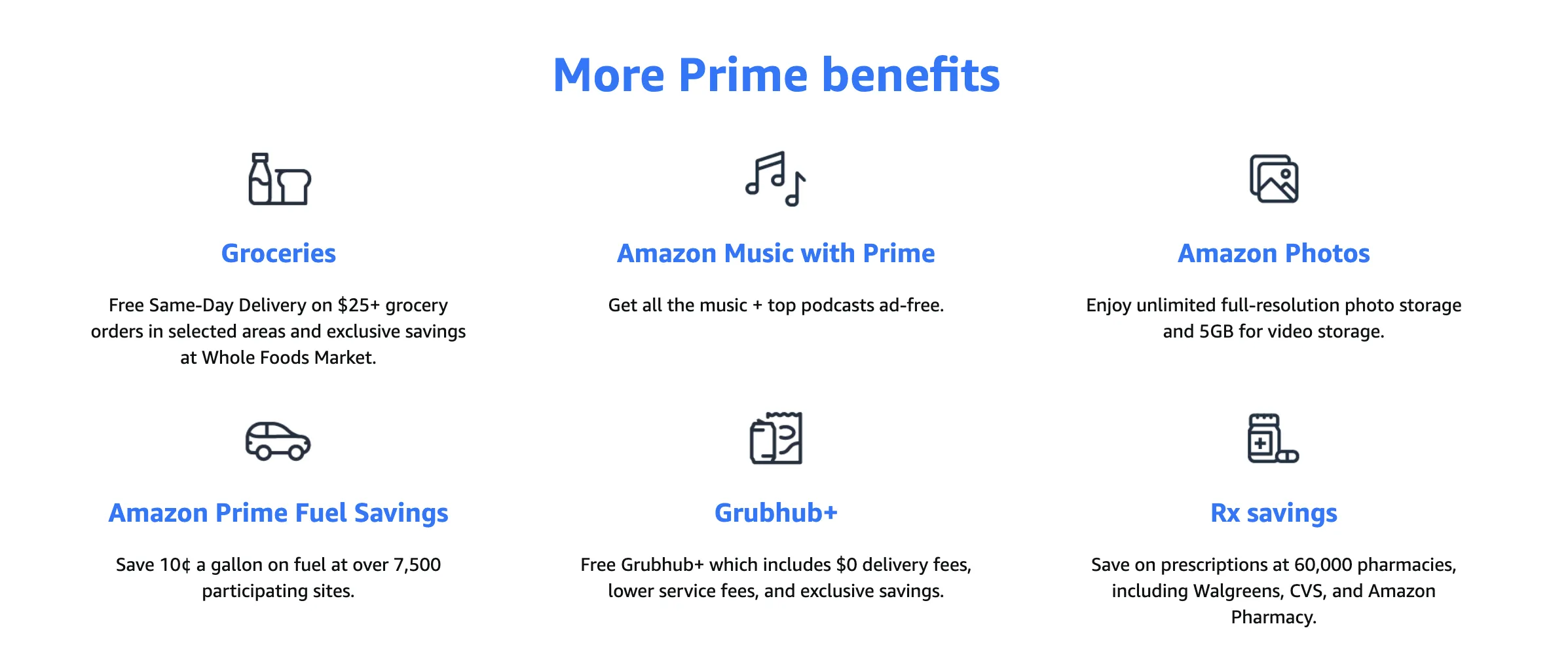
The reason is straightforward. Consumers do not necessarily think in terms of “quick commerce.” They think in terms of what they need. Someone who opens an app looking for dinner may also need groceries. Someone ordering groceries may realize they need medicine. Someone buying medicine may need a charger or personal-care products. The categories begin to blur once the delivery infrastructure is already in place.
This is why the emerging competition is less about creating a new retail category and more about building a single access layer to existing retail inventory.
DoorDash is turning local stores into one marketplace
DoorDash offers one of the clearest examples of this transition. The company built its business around restaurant delivery, but its marketplace has expanded into grocery, convenience, pharmacy, alcohol and general retail.
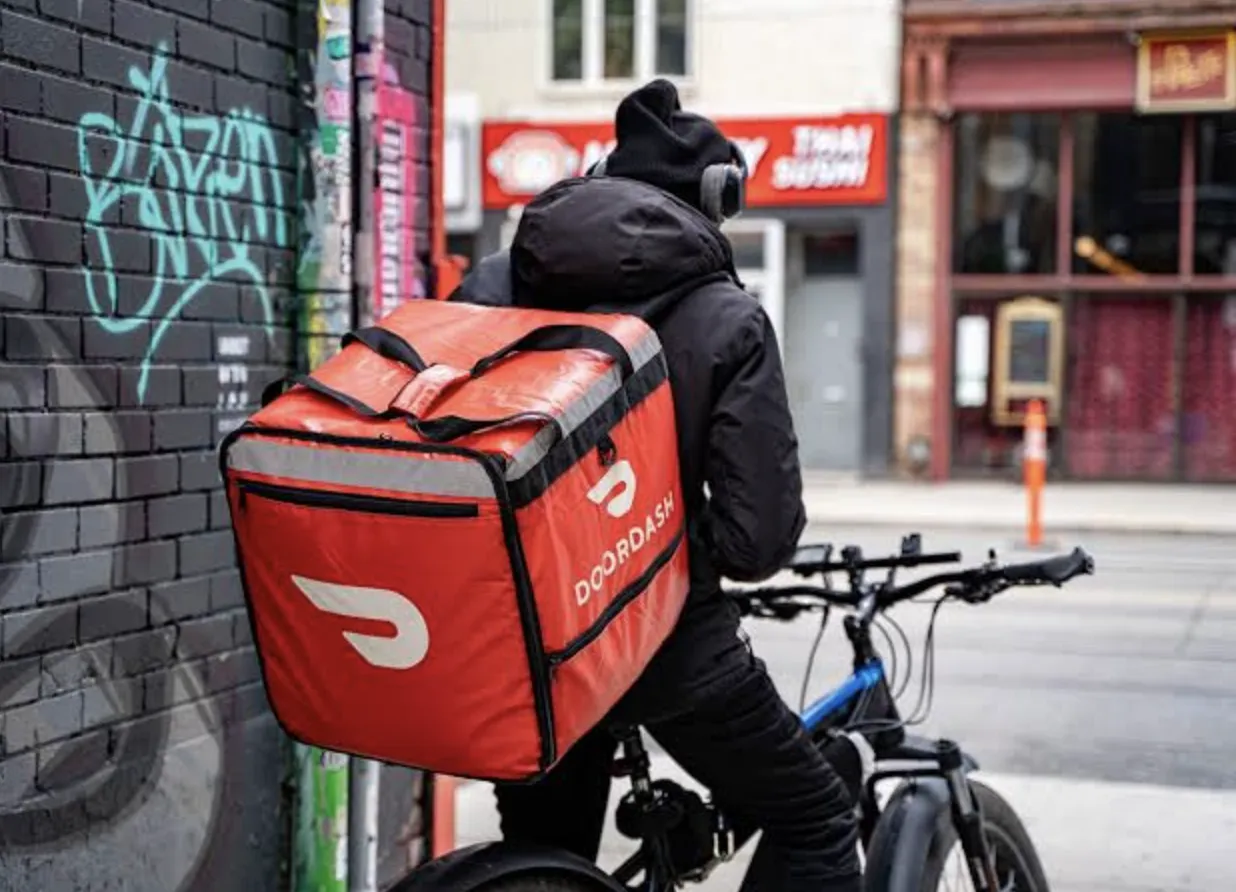
Its competitive advantage is fundamentally different from Amazon's. DoorDash does not need to own the inventory sitting inside every supermarket, pharmacy or convenience store. Instead, it connects consumers with merchants that already have the inventory and uses its delivery network to move products between them.
That gives the platform an interesting role in the modern retail ecosystem. A consumer does not necessarily need to know which store carries a particular product. The consumer only needs to know what they want. DoorDash can increasingly perform the search, locate the inventory, process the purchase and arrange the delivery.
In that sense, DoorDash is evolving from a restaurant-delivery company into something closer to a search engine for local physical inventory.
Its opportunity is particularly powerful because the same delivery network can serve multiple categories. A restaurant-only delivery network has demand concentrated around meals. A broader local-commerce platform has reasons for consumers to order throughout the day.
Amazon is bringing the warehouse closer to the consumer
Amazon is approaching the same opportunity from the opposite direction.
The company spent decades building one of the world's largest e-commerce and logistics networks. Its next challenge is not simply to expand that network, but to make it increasingly local. Amazon has significantly expanded same-day and next-day delivery, particularly for groceries and everyday essentials. The company said U.S. Prime members received more than 8 billion items the same or next day in 2025, with roughly half of those deliveries consisting of groceries and everyday essentials.

That number illustrates how dramatically the definition of e-commerce is changing. For years, Amazon's principal advantage was selection combined with relatively fast shipping. Increasingly, its advantage is selection combined with near-immediate access. Amazon Now pushes that proposition further, bringing the company closer to the traditional quick-commerce model with much faster delivery of groceries and everyday essentials in supported markets.
The significance is not simply that Amazon can deliver a product in 30 minutes. It is that the company can potentially decide among several fulfillment models depending on what the consumer wants, where the consumer lives and how quickly the item is required.
A television may come from a conventional fulfillment center. A weekly grocery order may come from Whole Foods or another grocery operation. A forgotten household item may come from a local fulfillment facility.
The consumer sees one Amazon interface. Behind it sits an increasingly complex network of inventory and fulfillment options.
The real battleground is the consumer's default app
This is where the competition becomes more interesting.
DoorDash has an advantage when the consumer thinks, “I need something from around me.” Amazon has an advantage when the consumer thinks, “I need something, and I expect Amazon to have it.”
Those sound similar, but they represent two different forms of consumer control. The first is control of local demand. The second is control of consumer intent. The company that wins the next phase of commerce will need both.
It needs enough inventory and merchant relationships to satisfy a wide range of needs, enough logistics density to deliver economically, and enough consumer engagement that opening its app becomes an instinct rather than a conscious decision.
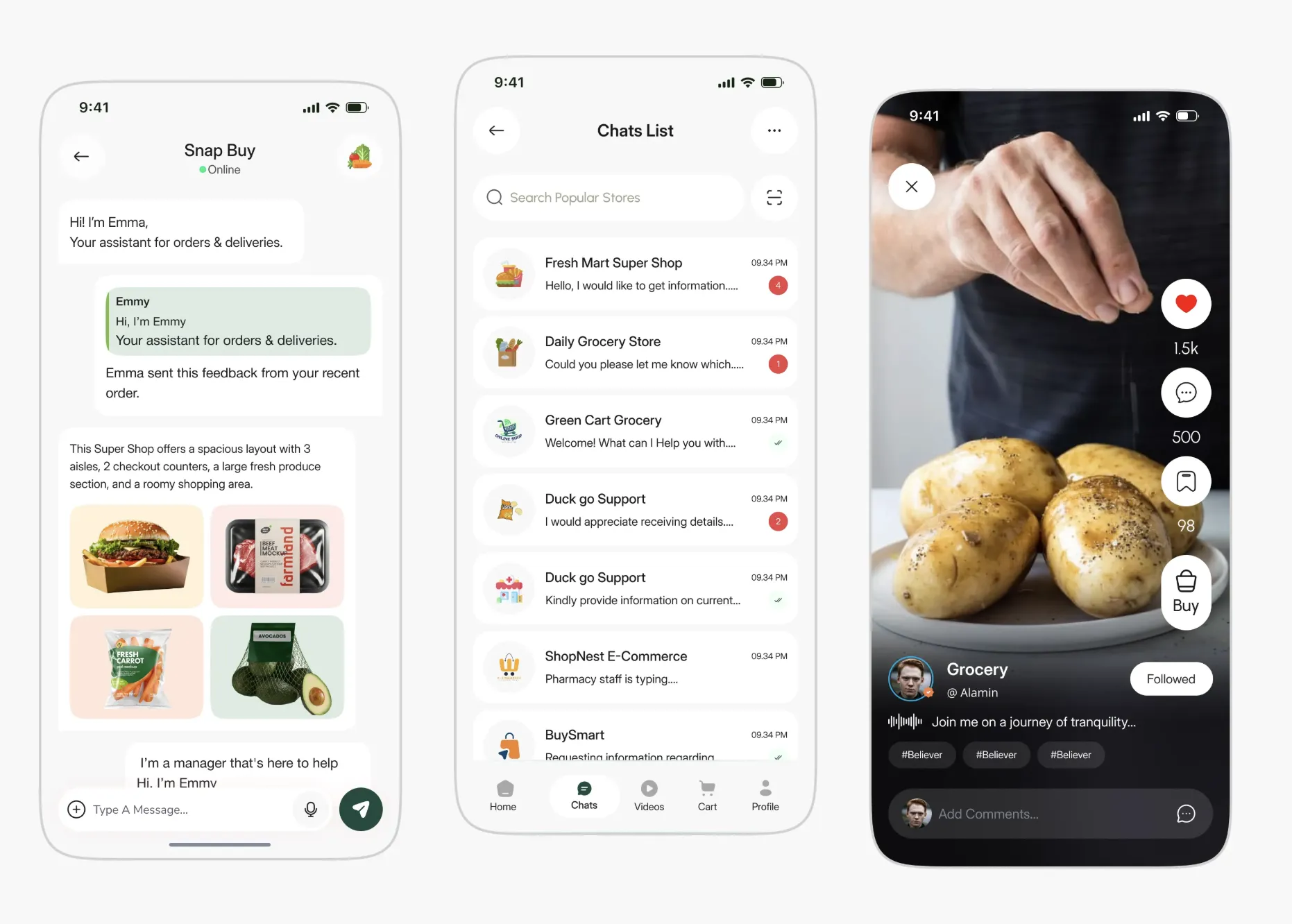
That creates a powerful flywheel:
More consumers → more orders → greater delivery density → better economics → more merchants and inventory → greater selection → more consumer use.
Once that flywheel reaches sufficient scale, delivery speed becomes almost a byproduct of density rather than the primary competitive advantage.
Walmart has something neither platform can easily replicate
Walmart's position illustrates another path to that flywheel.
The retailer already has thousands of physical locations distributed across the country. Those stores carry groceries, household products, electronics, pharmacy products and general merchandise. They can therefore serve as both retail destinations and fulfillment points. That gives Walmart a potentially powerful combination of physical proximity and inventory ownership.
It also highlights the fundamental strategic question facing the industry: Who owns the inventory, who owns the customer and who owns the delivery relationship?
DoorDash is strongest at aggregating merchants and controlling the delivery interface. Amazon combines an enormous customer base with substantial inventory and logistics infrastructure. Walmart combines physical density with inventory. Instacart sits between consumers and grocery retailers. Gopuff controls more of its own instant-fulfillment infrastructure.
The winner will likely be determined by which combination produces the strongest consumer habit and the most durable economics.
Speed is becoming a feature, not the business
This is why the obsession with 10-minute delivery can be misleading.
Speed matters, but it is not enough. A 10-minute delivery is only valuable if the product is available, reasonably priced and worth ordering in the first place. A 30-minute delivery with a broader assortment can be more useful. A same-day delivery that eliminates a 45-minute trip can be more valuable still. The consumer is ultimately buying friction reduction.
Every step removed from the shopping process increases the perceived value of the platform. Consumers do not have to find the store, drive there, park, search the shelves, stand in line and drive home. The platform compresses the entire experience into a few taps.
The best quick-commerce network will therefore not necessarily be the one with the shortest promised delivery window. It will be the one that can make the consumer feel that waiting, searching and traveling have disappeared from the transaction.
The winner will own the consumer relationship—and the economics underneath it
The biggest strategic question is therefore not whether Amazon can beat DoorDash at delivery or whether DoorDash can match Amazon's assortment. It is whether either company can become the consumer's default starting point for an expanding share of everyday purchases.
Amazon has a formidable advantage because it already owns that starting point for millions of consumers. Its challenge is to make that relationship increasingly relevant to local and immediate needs.
DoorDash has the opposite advantage. It has built a powerful local delivery network and is expanding the categories that network can serve. Its challenge is to turn a service consumers historically opened for dinner into an application they instinctively open whenever they need something. The difference is subtle but crucial.
Amazon wants to make everything deliverable. DoorDash wants to make everywhere accessible.
The eventual winner may be the company that successfully combines the two propositions: a massive selection of products, dense local availability, reliable logistics and a consumer relationship strong enough that the user rarely thinks about which retailer is actually fulfilling the order.
Quick commerce is becoming the infrastructure underneath retail
The next phase of quick commerce is therefore unlikely to be defined by a race from 30 minutes to 20 minutes to 10 minutes. Speed will remain important, but it is becoming only one part of a much larger equation involving selection, availability, price, reliability and convenience.
The industry is evolving from “deliver groceries quickly” toward “make everyday consumption effortless.”
Physical stores are increasingly becoming inventory and fulfillment nodes rather than simply places where consumers shop. Delivery networks are becoming extensions of retailers' physical footprints. Marketplaces are becoming interfaces to local inventory. And consumers are increasingly judging commerce not by where a product is sold, but by how easily it can reach them.
That points to a sharper definition of the prize. The winner in quick commerce will not necessarily be the company with the fastest riders or the most dark stores. It will be the company that owns the consumer's default commerce habit while operating a network dense and efficient enough to monetize that habit.
The first phase of e-commerce convinced consumers that they did not need to visit the store. Quick commerce is now convincing them that they do not need to plan the shopping trip either. The next phase could eliminate something even more fundamental: the idea that consumers need to think about where a purchase comes from at all.
When the answer to “Where should I buy this?” becomes simply “Open the app,” the battle for quick commerce will be over something much bigger than delivery.
It will be a battle for the default interface between consumers and the physical world.
By Tommy Thounaojam- Editor MicroMunch

Stay updated with our latest news and articles. Join our newsletter!
Trending Now
No trending posts found.