

Starlink Explained: How SpaceX Built a Global Satellite Internet Network
2026-01-16
What Is Starlink?
Starlink is a satellite internet constellation and service developed and operated by Starlink Services, LLC, a subsidiary of SpaceX. Its mission is to deliver high-speed, low-latency broadband internet globally, especially to rural, remote, and underserved regions where traditional broadband is unavailable or unreliable.

Unlike traditional satellite internet (which uses a handful of satellites in high orbit), Starlink uses a mega-constellation of thousands of small satellites in Low Earth Orbit (LEO), significantly reducing latency and improving speeds.
The Concept and Inception

First Proposed: Elon Musk publicly revealed the Starlink project (initially called WorldVu) in January 2015, outlining plans for a large constellation of satellites to provide global internet coverage.
First Launch: SpaceX began launching the first batch of Starlink satellites (60 units) in May 2019.
Early Service: Starlink started a paid beta service (“Better Than Nothing Beta”) in October 2020 and began signing up customers in late 2020.
The goal was—and remains—to bridge the digital divide by offering broadband where terrestrial infrastructure is poor, unreliable, or absent.
How Starlink Works
Starlink’s network combines:

LEO satellites, orbiting at roughly 550 km altitude, much closer than traditional satellites.
User terminals (“Dishy”), a small flat satellite dish that automatically aligns with satellites overhead.
Ground stations and network infrastructure that route traffic to the global internet.
Satellites use phased-array antennas and optical inter-satellite laser links to create a mesh network in space, enabling high-speed internet with relatively low latency (often competitive with terrestrial broadband).
Technology Highlights
Starlink satellites include:

AST SpaceMobile BlueWalker 3 (BW3) LEO satellite 64 square-meter phased array. Source: AST SpaceMobile.
1. Phased array antennas for flexible connectivity.
2. Optical inter-satellite links (“laser mesh”) for high-speed data transfer.
3. Ion propulsion systems for precise orbital control and end-of-life deorbiting.
Starlink continues to innovate with next-generation satellites (e.g., V3 models) designed to support multi-gigabit speeds and much higher capacity.
Deployment and Scale
As of early 2026:
The Starlink constellation includes over 9,422 satellites in orbit.
Starlink represents roughly 65% of all active satellites in orbit.
SpaceX has FCC approval to launch tens of thousands more satellites, expanding coverage and performance.
Starlink is expanding coverage rapidly through frequent SpaceX launches—like the January 2026 mission that added 29 satellites, further growing the network.
Revenue and Business Model
Starlink operates a hybrid business model that combines:
Upfront hardware sales — customers purchase a Starlink Kit (dish, router, power supply) to connect.
Recurring subscriptions — monthly service fees for internet access.
This creates a blend of immediate revenue (hardware) and predictable, recurring income (subscriptions)—a model similar to SaaS or telecom contracts.
Revenue Growth
2022: ~$1.4B (early years)
2024: projected ~$7.7–8.2B, with strong profitability emerging.
2025: forecasted around $11.8B or more as global subscriptions and partnerships grow.
Subscriptions (roughly 80% of revenue) drive predictable growth, while hardware sales contribute immediate cash flow.
Starlink also explores direct-to-cell (DTC) services and partnerships (e.g., airlines, maritime) as additional revenue streams, along with government and military contracts.
Global Adoption: Countries & Coverage
Starlink serves well over 150 countries and territories, spanning all continents and enabling connectivity in remote and urban areas alike.

A study tracking adoption shows growth across regions:
North America: ~3.7M users (largest base)
Asia: ~1.6M
South America: ~1.1M
Africa: ~0.7M
Europe and Oceania: hundreds of thousands more
(Data approximations based on country/region subscriber tracking.)
Starlink’s footprint continues to grow as regulatory approvals and infrastructure partnerships are secured globally.
In countries such as Bangladesh, Starlink has launched commercial service with local pricing and hardware costs.
It’s also utilized unofficially in regulated regions (e.g., Iran) for resilient connectivity where governments have banned or restricted access.
How to Set Up Starlink
Residential Setup
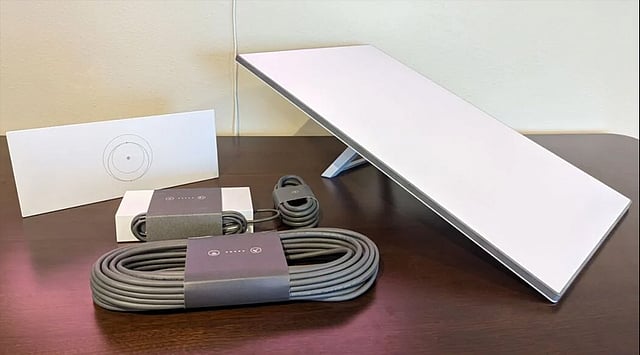
Order a Starlink Kit — includes a dish and router.
Place the dish in a location with a clear view of the sky — typically a roof or open yard.
Connect and align — the dish automatically adjusts to track satellites.
Activate subscription — service works once online and connected.
Business or Specialized Use
Starlink offers higher-tier plans and hardware for enterprises, maritime, aviation, and mobile connectivity.
Regulatory Considerations
Starlink must obtain local regulatory approvals in each country for official service and billing.
Some nations require local authorization or partnerships to operate.
Starlink has even tied up with India’s UIDAI for Aadhaar authentication to streamline onboarding.
Conclusion — Starlink’s Transformational Impact
Starlink has evolved from a bold idea into the world’s largest satellite internet constellation, reshaping global broadband access. Through aggressive expansion, vertical integration (owning satellites and launch capability), and recurring revenue, it has become SpaceX’s primary growth engine and a commercial telecom powerhouse.
With millions of users worldwide and expanding technology offerings—from direct-to-cell mobile services to high-capacity next-generation satellites—Starlink continues to push the boundaries of connectivity, particularly in regions where traditional networks cannot reach.
Whether for remote homes, emergency response, aviation, or future mobile services, Starlink is a defining innovation in the 21st-century internet landscape.

Stay updated with our latest news and articles. Join our newsletter!
Trending Now
No trending posts found.


