
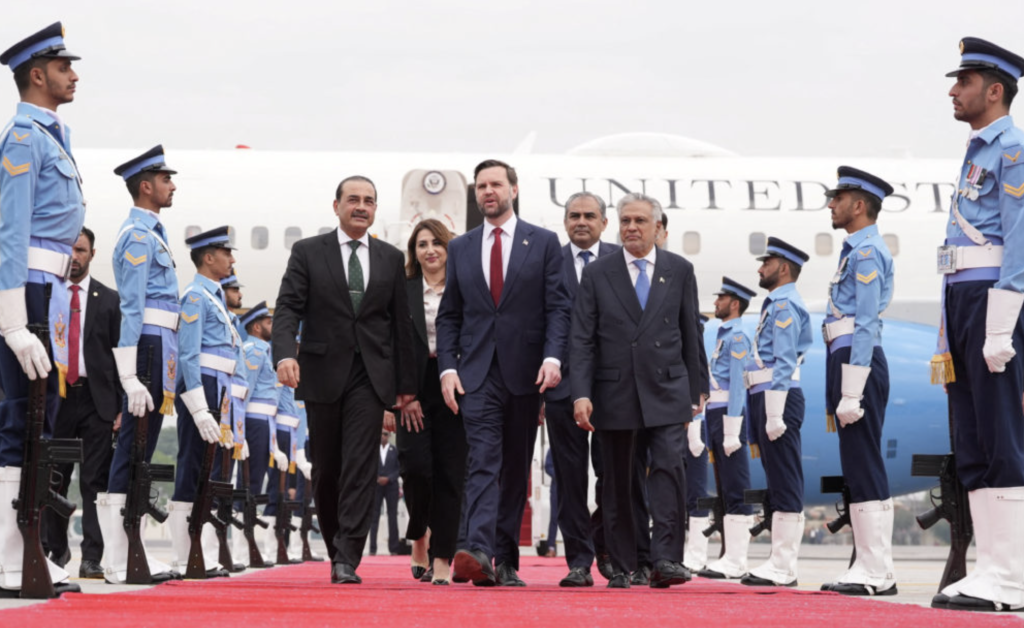
Why Markets Aren’t Reacting to Iran Tensions: Oil Prices, Energy Crisis, and Global Impact Explained
2026-04-14
The Disconnect Between Geopolitics and Markets
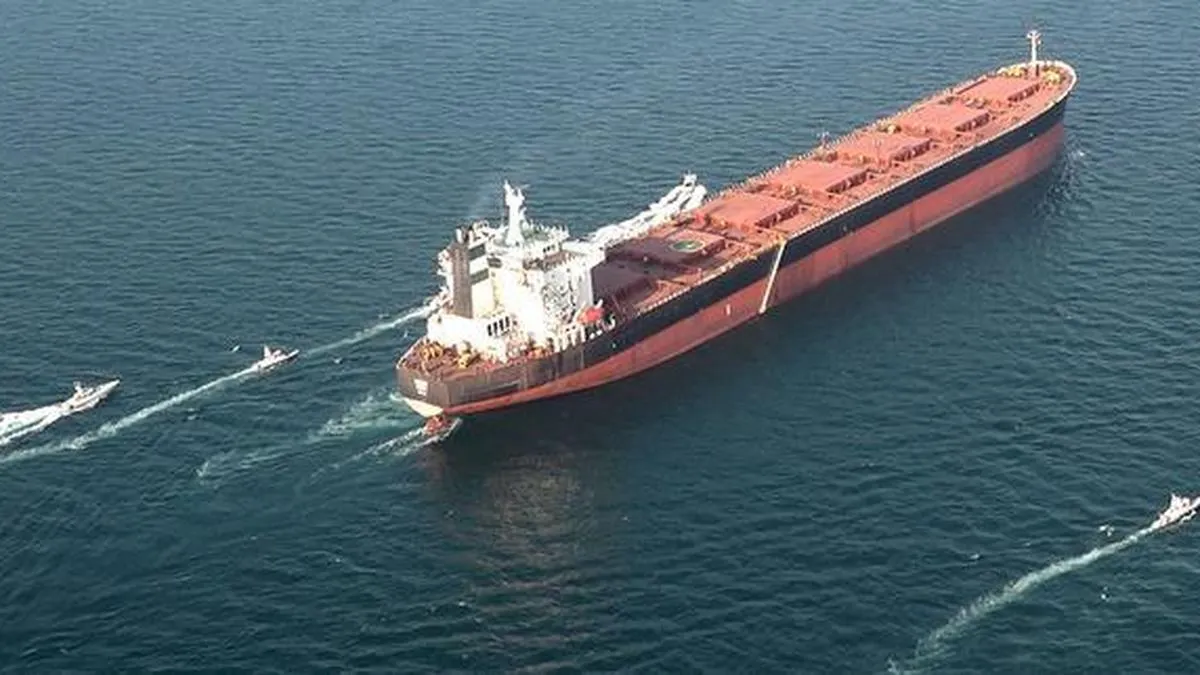
In periods of geopolitical escalation, markets are expected to react swiftly. Yet, despite rising tensions around maritime access to Iranian ports and potential disruptions to global energy flows, financial markets have remained relatively composed.
This apparent disconnect raises a critical question:
Why are global markets not pricing in a deeper crisis?
Energy Shock Fears Are Real
Any disruption involving Iran—one of the world’s key oil-producing regions—has immediate implications for global energy markets.

Countries heavily dependent on Middle Eastern crude, including India and several Southeast Asian economies, are particularly exposed. Reports of precautionary measures—such as fuel rationing or strategic reserve planning—underscore the seriousness of potential supply constraints.
Even traditionally insulated economies like the United States, now a net oil exporter, are not immune. Rising fuel prices continue to feed into inflationary pressures, reflecting how interconnected global energy systems remain.
Supply Chains Already Under Strain
The global energy system is not entering this situation from a position of strength.
European aviation sectors have flagged concerns over limited jet fuel reserves
Countries like Australia have explored expanding strategic fuel reserves
Several import-dependent economies are preparing contingency measures
These developments point to a broader reality:
energy supply chains are already tight, and any additional disruption could amplify volatility.
Why Markets Are Staying Calm
Despite these risks, major indices such as the S&P 500 have shown only modest movement, and oil prices—while elevated—have not spiked dramatically beyond expectations.

Several factors explain this measured response.
1. Markets Have Priced in Disruption Risk
Key maritime routes in the region have already been operating under heightened risk. As a result, a formal escalation may not significantly alter existing supply expectations in the short term.
In other words, the market has been anticipating instability.
2. Investor Fatigue With Geopolitical Rhetoric
After years of recurring geopolitical tensions, institutional investors have grown cautious about overreacting to political signaling.
Fund managers increasingly differentiate between:
Rhetoric
Actionable disruption
This has led to a “wait-and-watch” approach rather than immediate repricing of risk assets.
3. Expectation of Containment
Market participants appear to be betting that:
Escalation will remain limited
Major powers will avoid prolonged disruption to global oil flows
This belief is rooted in economic reality:
a sustained energy shock would have global consequences, including for the actors involved.
4. Oil Markets Reflect Controlled Concern
Oil prices hovering around the $100 mark suggest concern—but not panic.
This indicates:
Supply risks are acknowledged
But not yet seen as structurally disruptive
A Fragile Equilibrium
While markets remain stable for now, the underlying situation is far from resolved.
The global economy continues to depend heavily on:
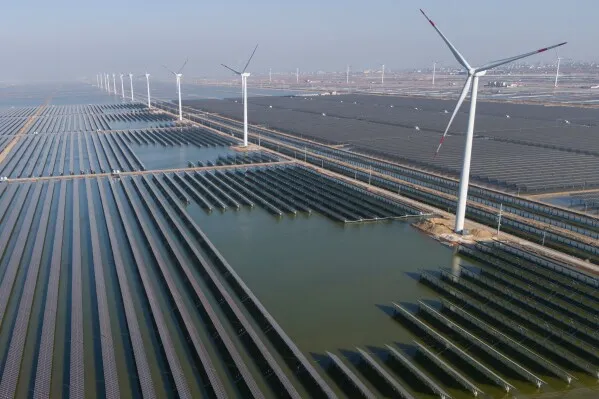
Stable energy supply
Predictable trade routes
Any prolonged disruption could quickly shift sentiment.
The Broader Strategic Reality
Geopolitical tensions often extend beyond immediate economic effects. Secondary impacts are already emerging:
Countries exploring alternative alliances
Increased focus on energy independence
Renewed urgency around strategic reserves
These shifts highlight how energy security remains central to global stability.
The Bottom Line
Markets are not ignoring the risks—they are calibrating them differently.
For now, investors are betting on:
Limited escalation
Eventual de-escalation
Continued flow of global energy supplies
But this balance is delicate.
The world may be waiting for resolution—but it cannot function without oil while it does.

Stay updated with our latest news and articles. Join our newsletter!
Trending Now
No trending posts found.
Related Articles
Debug: Tags used: Why aren’t markets reacting to Iran tensions? Explore oil prices, energy supply risks, inflation impact, and global market outlook amid geopolitical uncertainty.