Global Oil Crisis 2026: Iran War, Philippines Turns to Russian Oil, and the Shift in Energy Power
2026-03-26
The ongoing conflict involving Iran and its spillover effects across the Middle East have triggered a fresh global energy crisis—one that is rapidly redrawing oil trade routes, pricing dynamics, and geopolitical alignments.
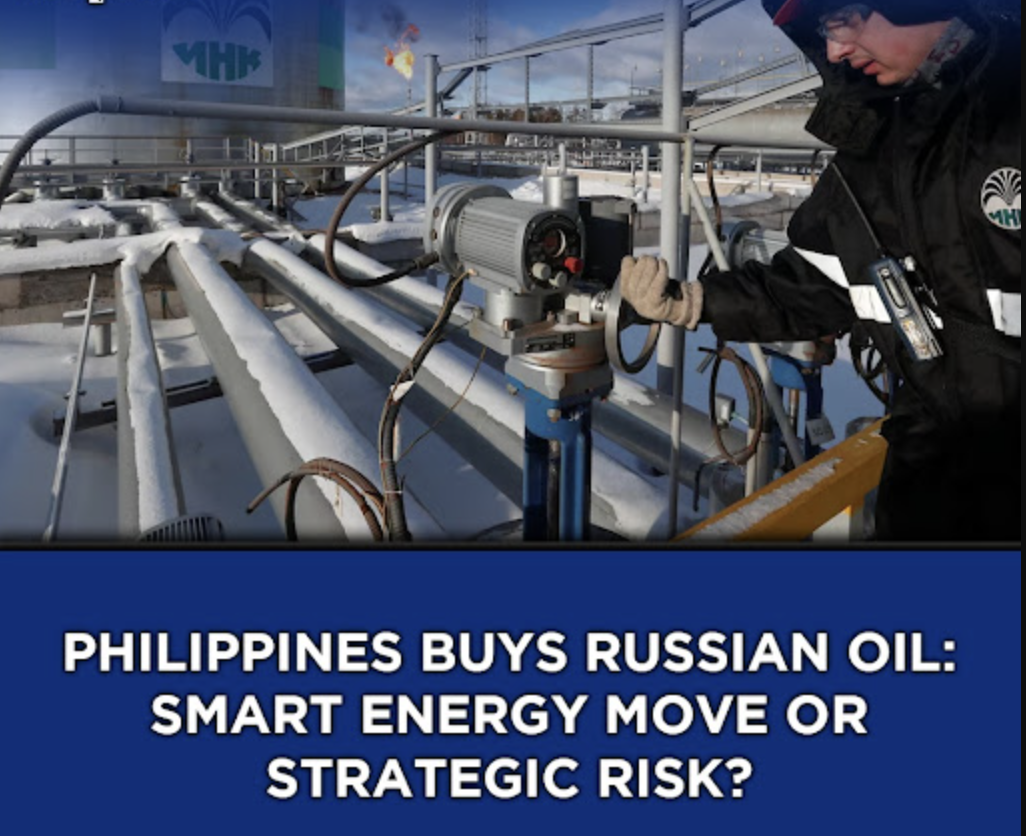
A striking example is the Philippines, which recently declared a national energy emergency and has begun sourcing crude oil from Russia for the first time in five years. A shipment of over 700,000 barrels from Russia’s ESPO pipeline, reportedly destined for Petron Corporation, underscores a broader shift: sanctioned Russian oil is quietly re-entering global markets through necessity, not diplomacy.
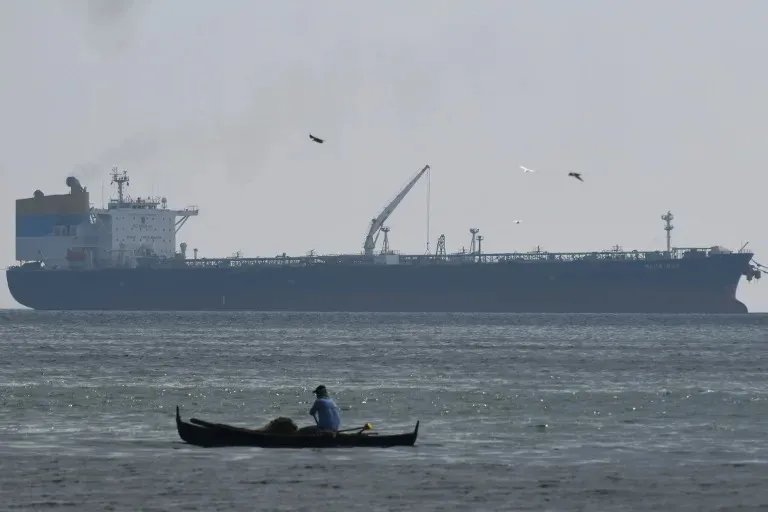
Image:A fisherman paddles before the Sierra Leone-flagged Sara Sky, which is carrying crude oil from Russia, anchored at Limay port, Bataan province on March 26, 2026 (Ted ALJIBE)
As traditional Middle Eastern supply chains falter—particularly due to disruptions near the Strait of Hormuz—countries are being forced to rethink energy security strategies. This raises a critical question:
Is the Iran conflict unintentionally strengthening Russia’s economic and geopolitical position despite Western sanctions?
The Philippines Case: A Microcosm of Global Energy Realignment
The Philippines’ situation highlights the urgency many import-dependent nations face:
- Fuel reserves projected to last only ~45 days
- LNG prices surging due to disrupted Middle Eastern supply
- Emergency activation of a ₱20 billion ($332 million) energy fund
- Increased reliance on coal imports, particularly from Indonesia
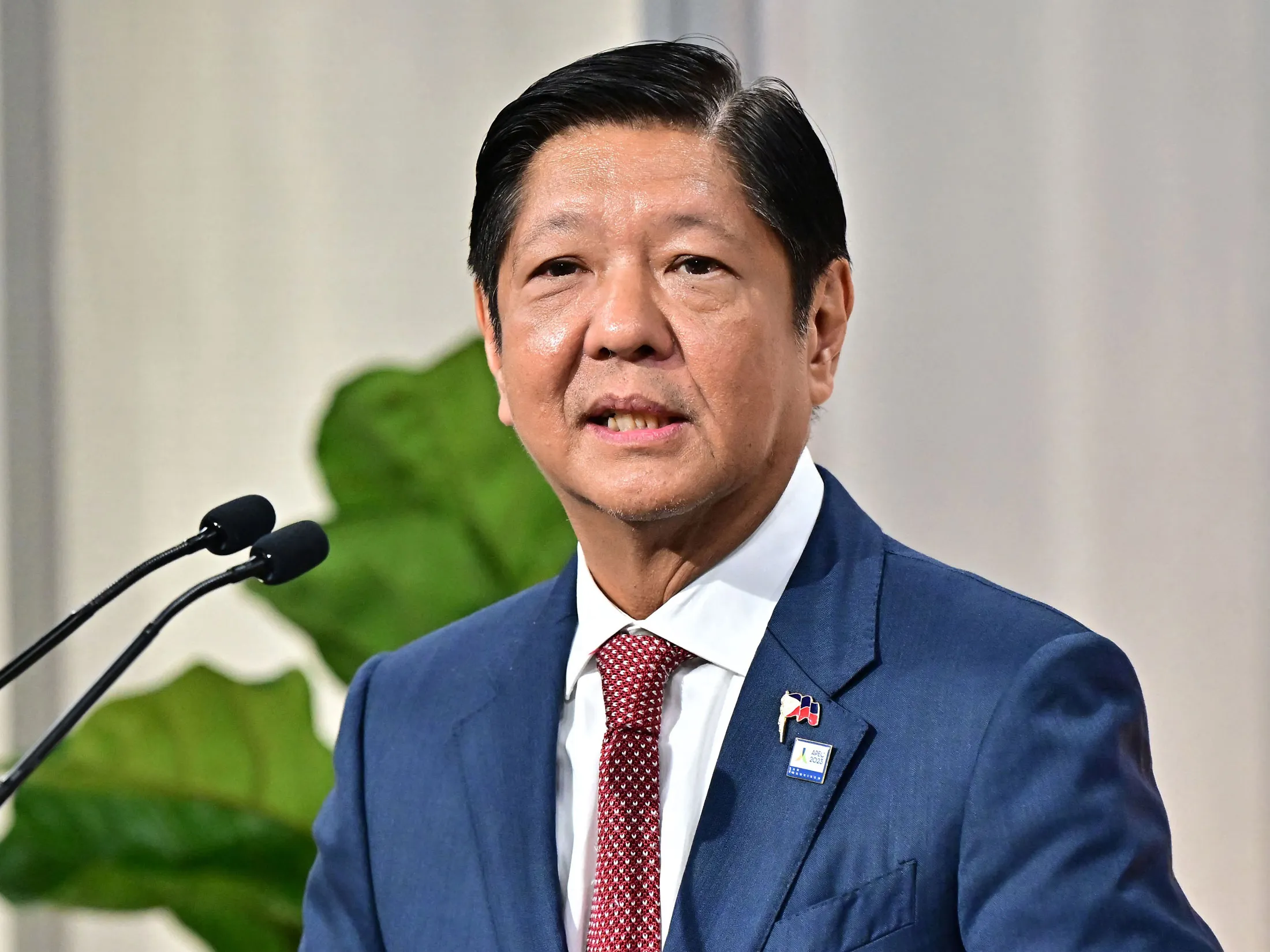
President Ferdinand Marcos Jr. made it clear:
“Nothing is off the table.”
This pragmatic shift reflects a broader trend: energy security is now outweighing geopolitical alignment.
Russia’s Strategic Position: Accidental Beneficiary or Long-Term Planner?
1. Sanctions Meet Market Reality
Since the Russia-Ukraine War began, Western nations have attempted to cap and restrict Russian oil revenues. However, the current Middle East crisis is undermining those efforts:
- Disruptions in Gulf supply increase global dependence on non-Middle Eastern oil
- Russian crude—often discounted—becomes more attractive
- Temporary easing of U.S. restrictions allows oil already at sea to be traded
In effect, market forces are overriding sanction frameworks.
2. Did Russia Anticipate This?
There is no credible evidence that Russia coordinated or anticipated the Iran conflict as part of a strategic plan discussed with Donald Trump or others.
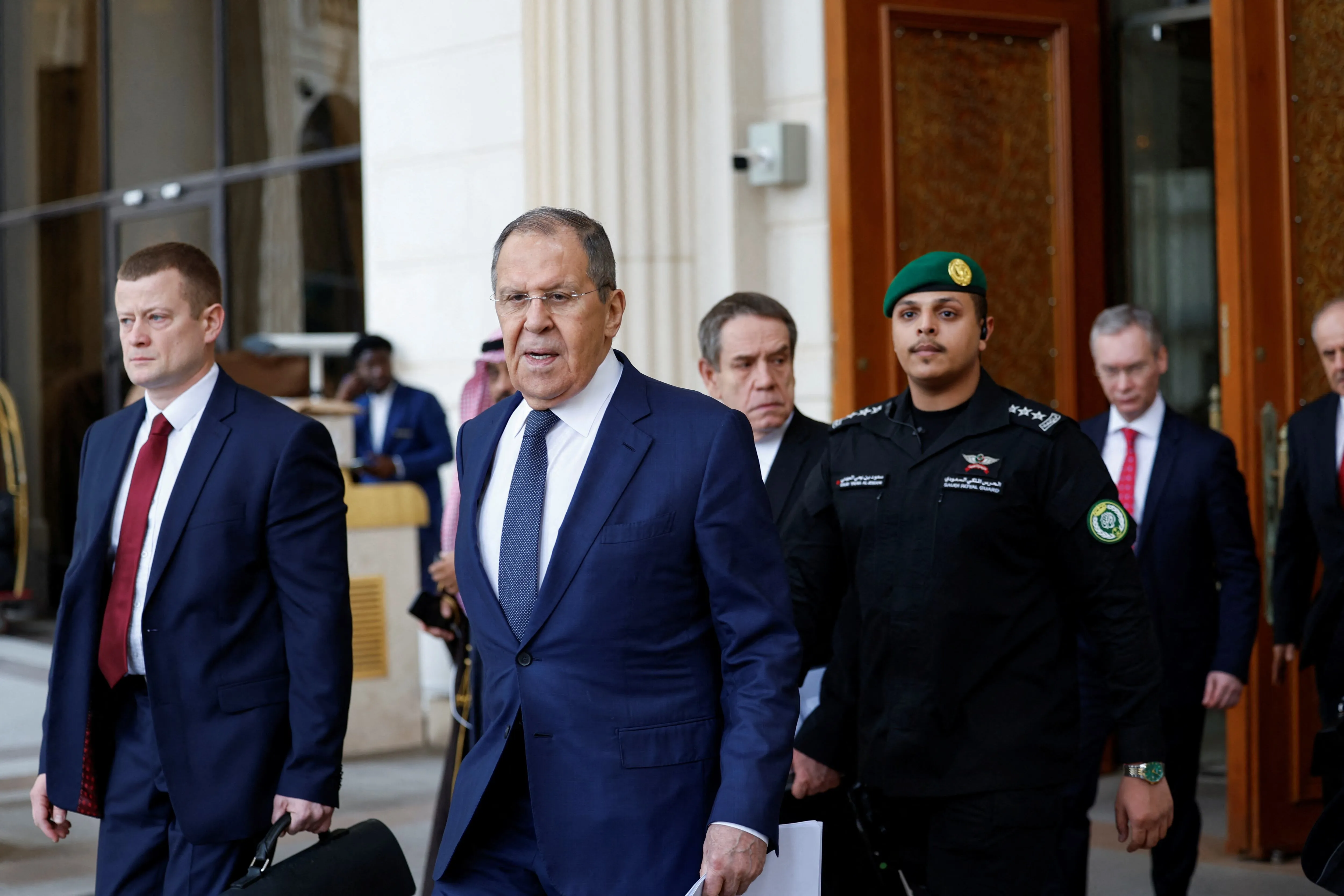
However, Russia has structurally positioned itself well:
- Diversified export routes (Asia-focused)
- Shadow fleet logistics to bypass restrictions
- Flexible pricing strategies
This suggests preparedness, not conspiracy.
3. A Supply Gap Russia Can Fill
With Middle Eastern exports constrained:
- Asian buyers (India, China, now Philippines) increase Russian imports
- Europe remains partially dependent indirectly via intermediaries
- Global oil flows are being rerouted, not reduced
Russia’s oil is no longer “blocked”—it’s simply redirected.
Implications for the Russian Economy
Short-Term Gains
- Higher global oil prices boost revenue per barrel
- Increased demand offsets discounted pricing
- Expanded market share in Asia
Long-Term Constraints
- Continued sanctions limit financial system access
- Technology restrictions hamper upstream investments
- Over-reliance on a smaller set of buyers (China, India)
Conclusion:
Russia benefits in the short term, but structural economic limitations remain.
Impact on Energy-Dependent Nations
Countries heavily reliant on Middle Eastern energy—such as the Philippines, Japan, and parts of Europe—face three major pressures:
1. Price Volatility
Energy costs spike due to supply uncertainty and shipping risks.
2. Supply Diversification
Nations are:
- Exploring Russian crude
- Increasing coal usage (despite climate concerns)
- Investing in alternative suppliers
3. Policy Trade-offs
Governments must balance:
- Energy security
- Environmental commitments
- Geopolitical alliances
Does This Shift Global Power Back to Russia?
Partially—but not completely
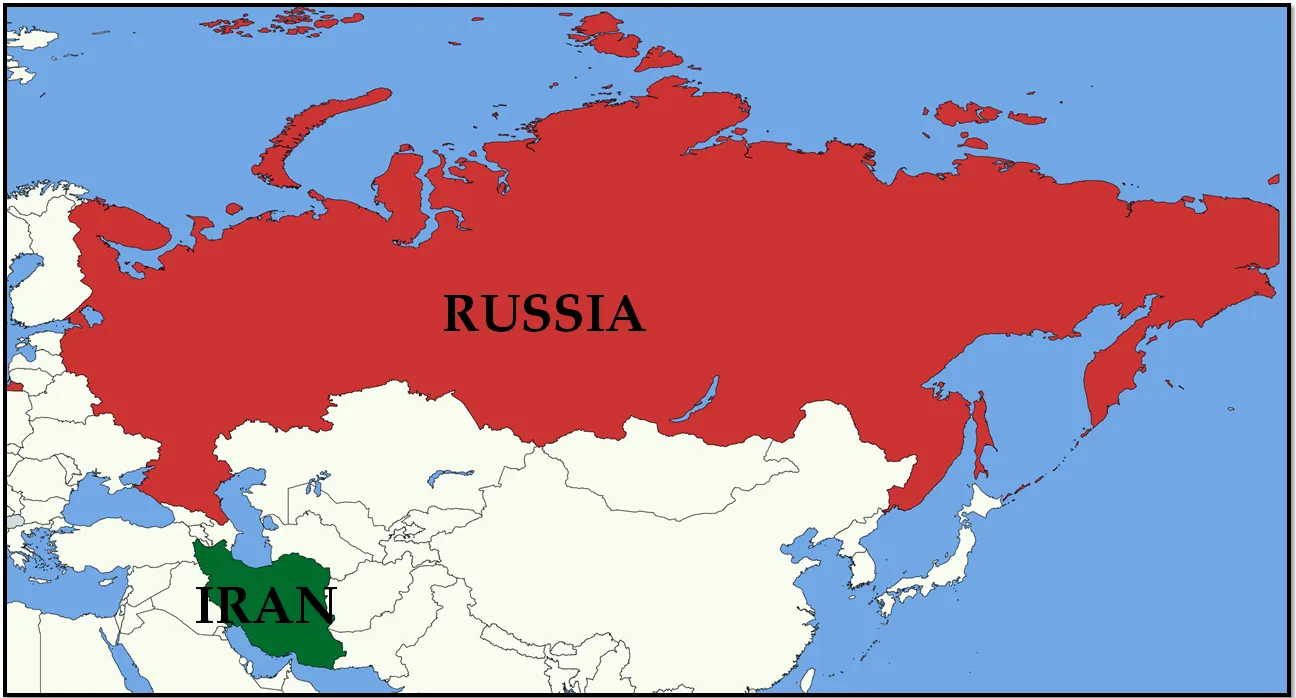
What strengthens Russia:
- Increased demand for its oil
- Weakening enforcement of sanctions
- Greater relevance in Asian energy markets
What limits Russia:
- Lack of technological independence
- Continued Western financial isolation
- Rising competition from alternative suppliers (e.g., U.S., Brazil)
Key Insight:
This is not a full power shift—it’s a temporary rebalancing driven by crisis conditions.
Global Energy Market Outlook
If the Iran-related conflict continues:
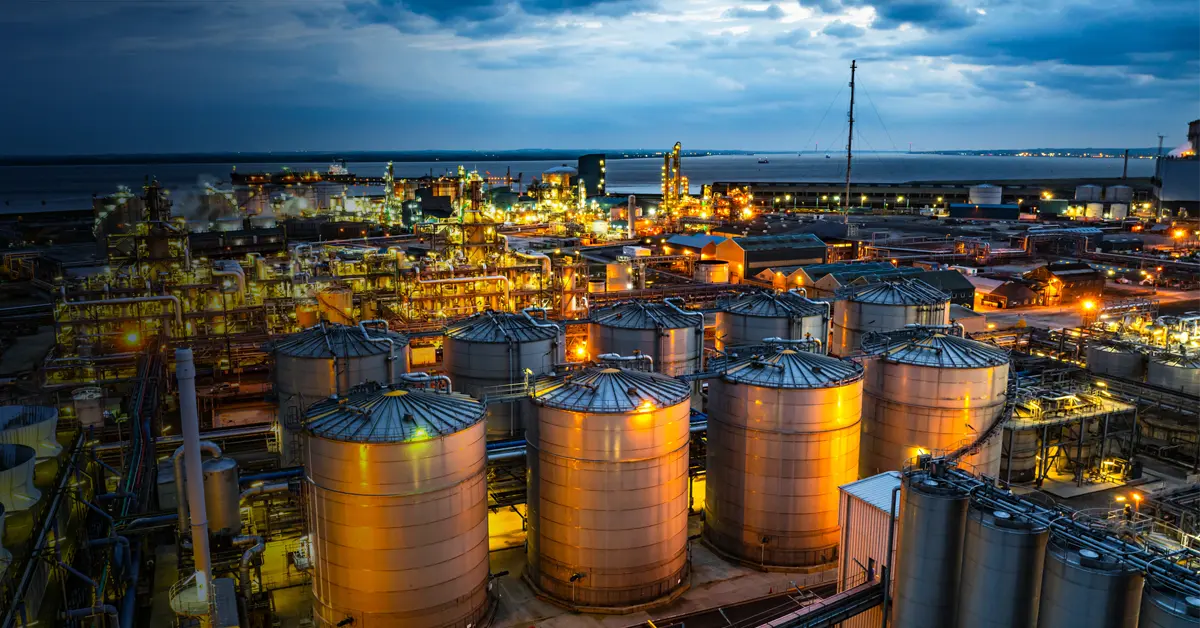
Likely Trends
- Persistent high oil and LNG prices
- Expansion of “grey market” oil trade
- Increased coal usage in developing economies
- Acceleration of long-term energy diversification strategies
Opportunities
- New trade corridors and intermediaries
- Investment in energy infrastructure and storage
- Growth in renewable energy (as a hedge against volatility)
Conclusion: Crisis-Driven Realignment, Not Conspiracy
The Philippines’ pivot to Russian oil is not an isolated घटना—it is a signal of a broader structural shift in global energy markets.
The Iran conflict has:
- Exposed vulnerabilities in Middle Eastern supply chains
- Forced nations to prioritize energy security over politics
- Created unintended opportunities for Russia
However, this is not a coordinated geopolitical reward system for Russia. Rather, it is a market-driven adjustment to supply disruption.
In the long run, the crisis may accelerate a more diversified and resilient global energy system—but in the short term, it is clear:
When supply is threatened, geopolitics bends—and markets decide.
By Tommy Thounaojam: Editor Micromunch

Stay updated with our latest news and articles. Join our newsletter!
Trending Now
No trending posts found.