Decoding the Fed: Understanding the FOMC, Its Impact & What’s Next
2025-10-29
Decoding the Fed: A Clear Guide to the FOMC, Its Impact — and What’s Next
For anyone with a bank account, mortgage, or stock portfolio — and let's face it, that’s most of us — the decisions made by the Federal Reserve matter. At the heart of those decisions is the Federal Open Market Committee (FOMC), the group responsible for shaping U.S. monetary policy. In this article, we’ll walk you through what the FOMC is, how it operates, what it delivers, when it meets, and—most importantly—what to expect next.
1. What the FOMC Is
The FOMC is the policy-making arm of the U.S. Federal Reserve, setting the benchmark federal funds rate that determines the cost of credit. Its twin goals—known as the Fed’s dual mandate—are:
Keeping inflation stable
Supporting maximum employment
Twelve voting members (seven governors, the New York Fed President, and four rotating regional presidents) meet about eight times a year to analyze inflation, growth, and jobs before deciding whether to raise, hold, or cut rates.
2. Historical Context
Over the last five years, the Fed has navigated a roller-coaster cycle—pandemic-era rate cuts, 2022–23’s aggressive hikes to fight inflation, and 2025’s pivot toward gradual easing.
Today’s meeting marks another chapter in that transition—shifting from tightening to supporting growth while trying to engineer a soft landing.
3. What’s Expected from Today’s Meeting
Markets are almost unanimous: the Fed will cut rates by 0.25 percentage points (25 bps), bringing the benchmark range to around 3.75%–4.00%.
Analysts assign a ~96% probability of this outcome, driven by:
Cooling inflation trends
Softer job market data
The Fed’s desire to ease conditions without sparking new inflation
However, Chair Jerome Powell is expected to emphasize “data dependence,” meaning future rate changes will hinge on upcoming inflation and employment numbers.
4. Why It Matters
For Borrowers
Rate cuts typically reduce loan and credit-card interest rates, though the effect takes time. Business and consumer loans may become cheaper.
For Savers
Deposit and CD yields could decline as banks adjust to lower funding costs, reducing returns on cash.
For Investors
Easier policy usually supports stocks and bonds by lowering discount rates and stabilizing liquidity. However, if the cut signals a weaker economy, markets may stay volatile.
For Homeowners
Mortgage rates, influenced by long-term Treasury yields, could edge lower if the Fed signals further easing ahead.
5. What to Watch in the Fed Statement
The exact rate move (likely 25 bps cut)
Tone on inflation: does the Fed say it’s “easing” or “persistent”?
Language on growth: “moderate” or “slowing”?
Forward guidance: hints about more cuts or a pause
Comments on labour market or balance-sheet policy (QT)
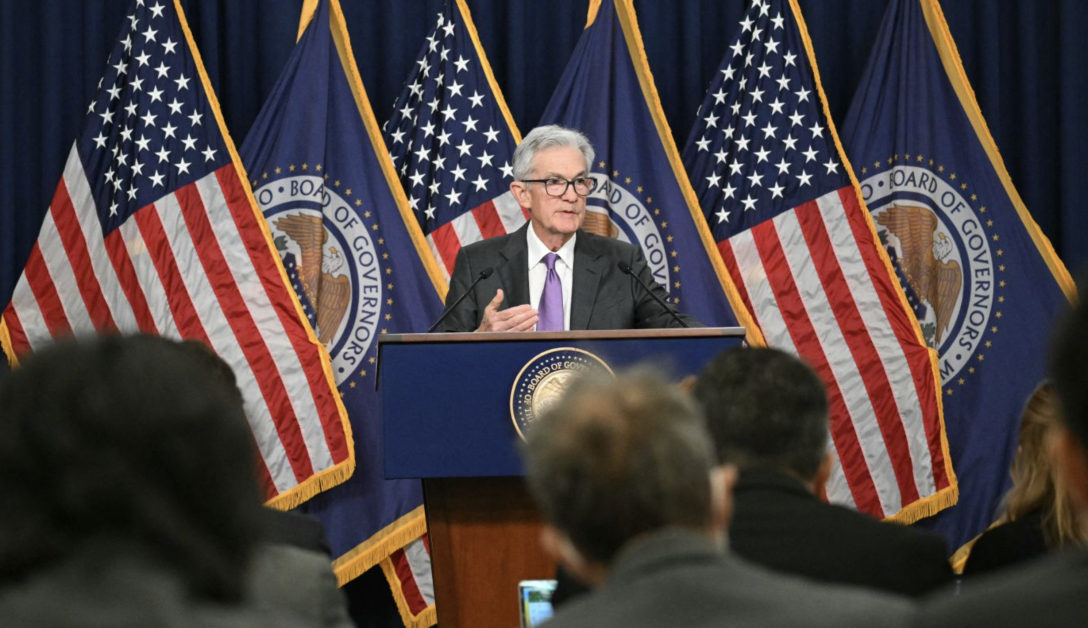
The press conference at 2:30 p.m. ET will be closely watched for clues about December and 2026 policy direction.
Conclusion
The October 29 FOMC meeting is one of the most anticipated of the year. A 25-bps rate cut appears all but certain but markets will react to the Fed’s tone and forward guidance more than the cut itself. For borrowers, savers, and investors alike, tonight’s announcement will shape how financial conditions evolve into year-end and 2026.
Written by [Kathan Dhagai]

Stay updated with our latest news and articles. Join our newsletter!
Trending Now
No trending posts found.