
US Fed Rate Cut Explained: Impact on Economy & Common People
2025-10-30
What the Latest Federal Reserve Meeting Means: A Plain-English Guide
On 29 October 2025, the U.S. central bank — the Federal Reserve (Fed) — made a key decision and sent important signals. Here’s a breakdown of what happened, why it matters for the economy and what it means for you and me.
What the Fed Did
The Fed cut its benchmark interest rate by 25 basis points (bp)—i.e., by 0.25% — bringing the federal funds rate to a range of around 3.75%-4.00% (or in some reports 4.0%-4.25%).
The Fed’s statement emphasised that:
Economic growth has moderated.
Job creation is slowing, the labour market is softening.
Inflation remains elevated and is expected to remain above the Fed’s 2% target through the medium term.
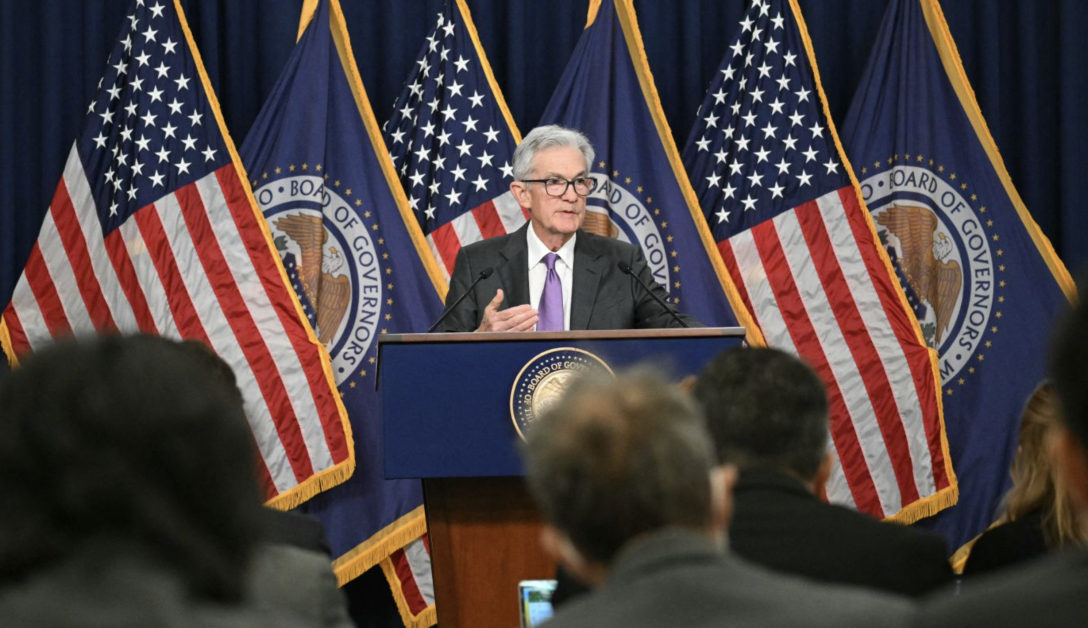
Importantly: The Fed Chair Jerome Powell noted that further rate cuts in December are not a foregone conclusion. In other words: the Fed is not locked into a path of steady cuts.
The Fed released new projections (dot-plot) showing the median forecast for the end of 2025 rate and rate path into 2026-27: growth slightly higher than before, unemployment slightly higher, inflation still above 2%.
Why This Matters for the Economy
Stimulus on the Table … but Not a Free-for-All
Cutting interest rates is a tool to stimulate economic activity: when rates are lower, borrowing costs go down, making it easier for businesses to invest, consumers to borrow (for cars, homes, etc.), and in general to spend more. But the Fed is signalling it is not in a hurry and wants to keep its options open.
The Trade-offs: Growth vs Inflation vs Employment
The economy is showing signs of a slowdown (growth has moderated) and the labour market is losing steam. That’s a reason for easing.
But inflation remains above target. If the Fed eases too quickly, inflation might pick up — which could force the Fed into a tougher stance later.
So the Fed is walking a fine line: supporting employment and growth while guarding against an inflation resurgence.
Global & Spill-Over Effects
A U.S. rate cut tends to weaken the U.S. dollar (or at least reduce upwards pressure), which can help emerging markets (including India). For example: cheaper dollar means less cost for dollar-denominated debt; weaker dollar could make Indian exports relatively more competitive.
For India’s stock markets: Markets had already factored in a 25 bp cut, so immediate upside may be limited. Yet the sentiment shift and weaker U.S. yields could benefit risk assets (stocks) in India.
What It Means for the Layperson
Here are some practical take-aways for everyday life:
Borrowing might become a bit cheaper: If you’re planning a home loan, car loan or any large borrowing, your interest cost may gradually ease as rates filter through. However, note: many consumer loans depend on other rates (e.g., 10-yr treasury, bank spreads), so savings may be modest initially.
Savings returns might fall: When the central bank cuts rates, banks’ funding costs come down — they may pass some savings to borrowers, but often reduce interest paid on savings/deposit accounts. So if you rely on fixed deposits or savings interest, you may see lower returns. (A nuance: one poster put it nicely: “Savers = lose now. Banks = win now. Consumers = maybe win eventually.”)
Stock/asset markets could react: Lower rates tend to make stocks look more attractive (since future earnings become more valuable). If you have investments in equities, especially large-cap or export/IT oriented companies, there might be benefit. But also remember: markets already expected this cut, so the reaction may be muted.
Inflation still a concern: Just because rates are lower doesn’t mean inflation goes away. For everyday goods and services (groceries, fuel, housing costs) remain vulnerable. So your cost of living might not ease dramatically yet.
Foreign travel, imports, currency: A weaker dollar (potentially) helps if you earn in foreign currency or import goods; conversely if you import, it might make things cheaper. If you’re doing foreign education/loans, currency movements matter.
Indian context: Since you are in India (Bhayandar, Maharashtra), here’s a specific local flavour: The cut by the Fed might give some head-room for Reserve Bank of India (RBI) to think of rate cuts (if domestic inflation and growth permit). The Indian stock market may get a sentiment boost, though domestic factors (inflation, monsoon, global risk) still dominate.
Key Risks & What to Watch
If inflation reignites: The Fed signalled that inflation risks are tilted to the upside. If inflation picks up (via energy/fuel, supply disruptions), the Fed may have to reverse course and raise rates, which would hurt borrowing costs.
Labour market weakness: If job growth slows significantly, it could drag on growth, raise unemployment, reduce consumer spending – this could trigger recession concerns. The Fed noted “downside risks to employment.”
Transmission lags: Rate cuts take time to impact the real economy. So you may not feel much change immediately.
Global shocks: The global economy remains vulnerable: supply disruptions, trade tensions, commodity price spikes. These could blunt the positive impact of the rate cut or force the Fed/RBI to shift policy unexpectedly.
Markets already priced in: The fact that markets expected a 25 bp cut means much of the positive news may already be “in the price”. So any surprise (either bigger cut or stronger hawkish tone) can swing markets.
Summary: What to Remember in a Nutshell
The Fed cut rates by 25 bp — a modest move.
It emphasised caution: the December cut is not guaranteed — the path ahead is uncertain.
For you and me: borrowing may become a little cheaper, savings returns might fall, and investments could benefit — but no dramatic relief yet.
Inflation, job market softness and global risks still loom large.
For India, this rate cut is broadly positive from a global-sentiment perspective, but domestic factors will matter more for everyday impact.
In short: The Fed has pressed the “ease” button — but only gently, and with one eye on the brakes. If you’re a borrower, saver, investor or just trying to make sense of your monthly budget — the signal is to stay alert, but not expect miraculous change overnight.

Stay updated with our latest news and articles. Join our newsletter!
Trending Now
No trending posts found.