What Trump’s Middle East Peace Declaration Means for Companies & Investors
2025-10-14
What Does Peace in the Middle East Mean for Companies & Investors?
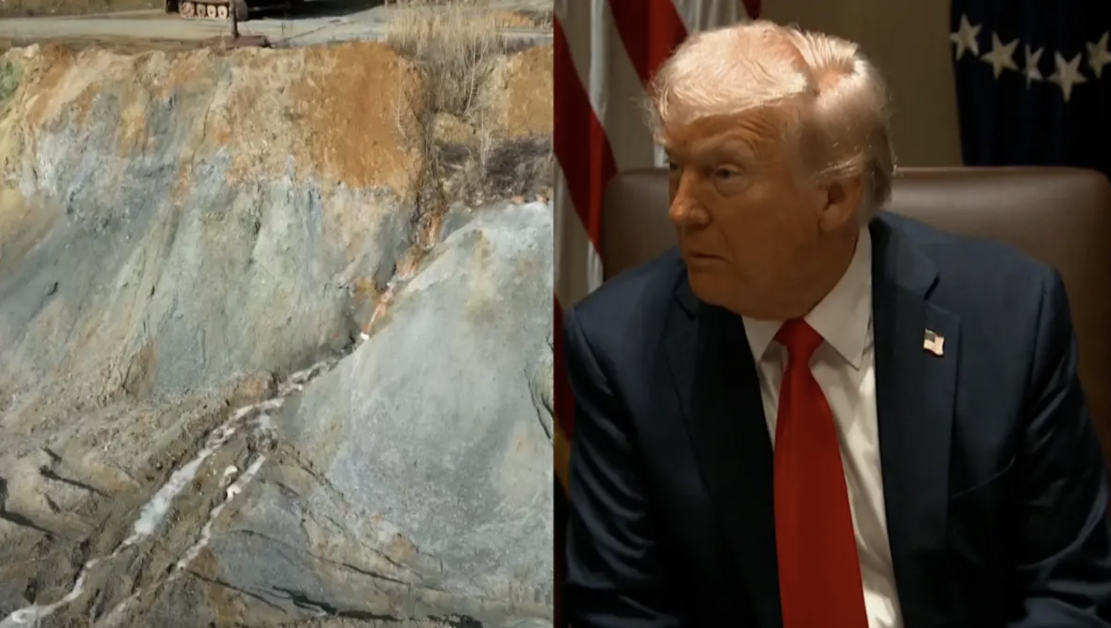
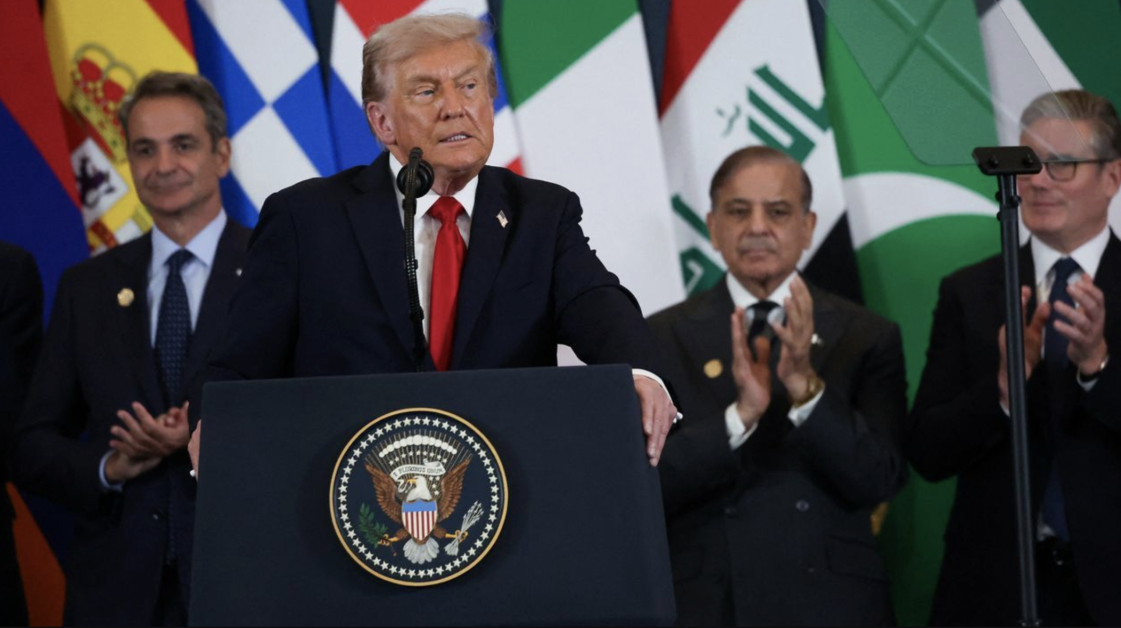
When a prolonged conflict transitions toward peace, the ripple effects across economies, markets, and corporate strategies can be profound. If Trump’s recent declaration of peace (or ceasefire) in the the Middle East endures, here is how companies and investors might be affected in the coming months.
Macroeconomic & Market Impacts
Risk premium compression & improved sentiment
Geopolitical risk is a major overhang for emerging markets and frontier regions. As conflict recedes, risk spreads tend to compress, encouraging capital flows back into regional equities and bonds.
For global markets, a “peace premium” could buoy equities broadly, especially when aligned with dovish monetary policy or rate cuts in major economies.Reconstruction & infrastructure boom
A peace deal unlocks one of the largest opportunities: rebuilding war-torn zones. Demand for steel, cement, heavy machinery, logistics, construction, and engineering is likely to surge.
Companies that secure government and multilateral contracts will benefit.Reallocation away from “defense premium”
In times of conflict, defense, aerospace, and security companies often trade at elevated valuations due to higher order visibility. But prolonged peace may reduce demand for weapons, military hardware, and border security contracts — possibly pressuring valuations in defense sectors.
However, legacy defense budgets and emerging security threats (cyber, drones) may cushion downside.Energy & commodities: supply, demand, and pricing volatility
The Middle East remains central to global energy markets. A durable peace could ease supply risk premiums on oil and gas, potentially lowering crude prices.
That said, the transition could trigger volatility—oil exporters may suffer, whereas large consumers and energy-intensive industries may benefit.Currency & bond market effects
Reduced geopolitical stress often leads to strengthened local currencies in emerging markets and narrowing sovereign spreads. Debt yields may fall, improving debt servicing costs and enabling fiscal expansion.Sector rotation & capital rebalancing
Investors may rotate capital from defense, safe havens, and resource plays toward growth, infrastructure, consumer discretionary, and industrials.Regional spillovers & integration gains
Middle Eastern economies (Gulf Cooperation Council, Levant, North Africa) may accelerate integration—trade, energy grids, logistics corridors. Companies involved in cross-border trade, port operations, and regional supply chains could benefit.
Stocks & Sectors to Watch (If Peace Holds)
Below is a directional view on sectors and stock types likely to be in focus, assuming the peace endures for months or even years.
| Sector / Theme | Why It May Outperform | Candidate Stocks or Types |
|---|---|---|
| Infrastructure & Construction | Reconstruction demand, government stimulus, international engineering contracts | Large global contractors (e.g. Vinci, Bechtel), regional builders, steel / cement producers |
| Engineering & Heavy Machinery | Equipment leasing, heavy machinery deployment, project execution | Caterpillar, Komatsu, regionally listed heavy equipment firms |
| Materials & Industrials | Base material supply to rebuild bridges, roads, utilities | Steel makers, cement names (e.g. Mytilineos in Greece, HeidelbergCement) |
| Energy & Utilities | Upgrades to grids, power plants, renewable energy capacity | Utilities, renewable energy companies, grid technology providers |
| Logistics, Ports & Shipping | Reconstruction needs shipping, port upgrades, trade volumes | Maersk, Cosco, DP World, port operators in Gulf region |
| Regional Banks & Financials | Credit growth, project finance, capital deployment | Gulf banks, emerging market banks, trade finance players |
| Technology & Telecom | Digital infrastructure rebuilding (5G, broadband, satellite) | Infrastructure tech firms, telecom operators |
| Defense & Security (selectively) | Transition to “smart defense,” border security, surveillance | Companies with tech focus in security rather than conventional arms |
| Consumer & Retail (in region) | Recovery of tourism, domestic demand rebound | Retail chains, hospitality groups, airlines |
Example Names to Monitor
DP World (Dubai / global port & logistics operator)
Aramco & large Gulf energy players (sensitive to oil price trend)
Emirates or regional carriers / hotel groups as tourism rebounds
Global names like Caterpillar, Vinci, Siemens, ABB, Schneider Electric
Defense / security tech firms pivoting to peace-time security (cyber, surveillance)
Regional banks in UAE, Saudi Arabia, Qatar, Egypt, Jordan
Infrastructure funds / ETFs focused on MENA region
Caveat: Many of these names are exposed to local regulatory, currency, and political risk. Also, contract delays, procurement issues, and governance constraints could dampen near-term returns.
Risks & Counterpoints to Consider
Fragile ceasefire / relapse risk: Peace declarations are often fragile. Any breakdown may reverse gains quickly.
Implementation delays: Reconstruction, funding agreements, legal and bureaucratic hurdles may slow momentum.
Global macro & interest rates: Rising interest rates or global recessions could offset gains from geopolitical stability.
Oil price swings: If oil remains volatile, energy sector players may still face headwinds.
Debt burdens & fiscal constraints: War-torn nations may face high debt, curtailing stimulus capacity.
Political resistance & opposition: Local political actors may resist external influence or reforms.
Overvaluation stretch: Markets may price in optimism prematurely, leading to frothy valuations.
What Investors Should Do Now
Tilt gradually
Start rotating small allocations into infrastructure, regional equities, and materials as conviction builds.Stay hedged
Use options or hedges to protect against reversal in geopolitical conditions.Focus on companies with contract visibility
Prioritize firms already winning or bidding for reconstruction contracts rather than speculative promises.Monitor interest rate shifts
Peace + easing monetary policy = a strong tailwind.Diversify across geographies
Don’t over-expose to one country, even if it seems to be the peace epicenter.Follow real signals, not just headlines
Watch bid awards, spending commitments, foreign flows, currency moves, and on-the-ground execution.
Conclusion
If Trump’s declaration of peace in the Middle East endures, we may witness a significant market rotation. The narrative could shift from defense and “safe haven” to reconstruction, infrastructure, and growth. For global investors, this means new avenues—especially in industrials, materials, technology, regional banks, and logistics. But it won’t be smooth sailing: execution risk, political pushback, and global macro dynamics remain potent headwinds.
Savvy investors will balance conviction with caution, selectively scale into sectors with visibility, and maintain flexibility to react if the fragile equilibrium unravels.

Stay updated with our latest news and articles. Join our newsletter!
Trending Now
No trending posts found.