Trump vs China: The Rare Earth Materials Battle and Its Global Implications
2025-10-17
Introduction: Why Rare Earth Materials Matter
Rare earth elements (REEs) are the hidden backbone of modern technology — from smartphones and electric vehicles to wind turbines and military equipment. Despite their name, “rare” doesn’t necessarily mean scarce; the challenge lies in mining, refining, and supply chain control.
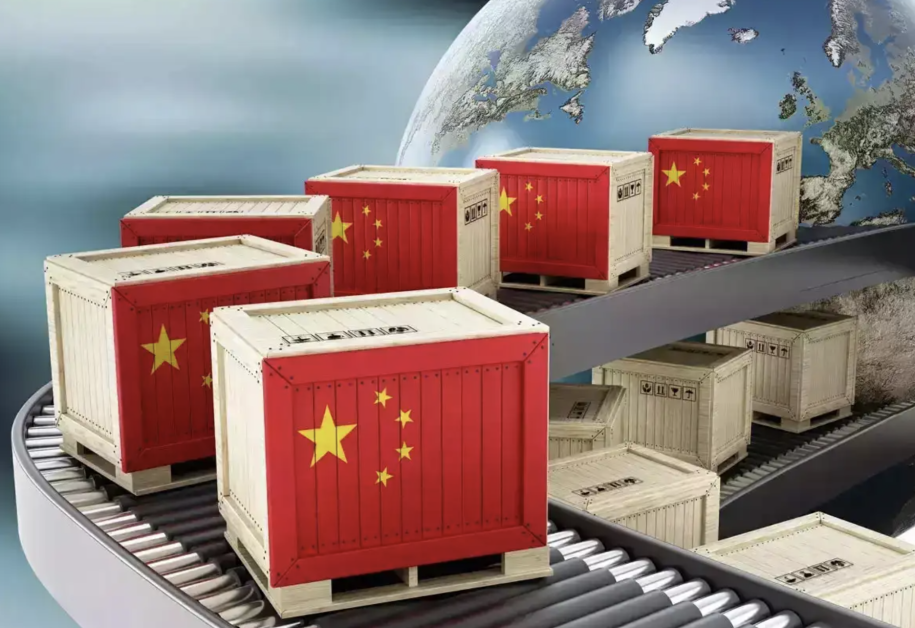
During Donald Trump’s presidency, the US-China relationship over trade escalated, and rare earth materials became a key strategic focal point. China controls more than 80% of global rare earth production and refining capacity, giving it substantial leverage over high-tech industries worldwide.
The Trump administration recognized this dependence as a national security risk and attempted measures to diversify supply, incentivize domestic production, and build strategic reserves.
Trump’s Approach to Rare Earths
1. Trade Tensions as Leverage
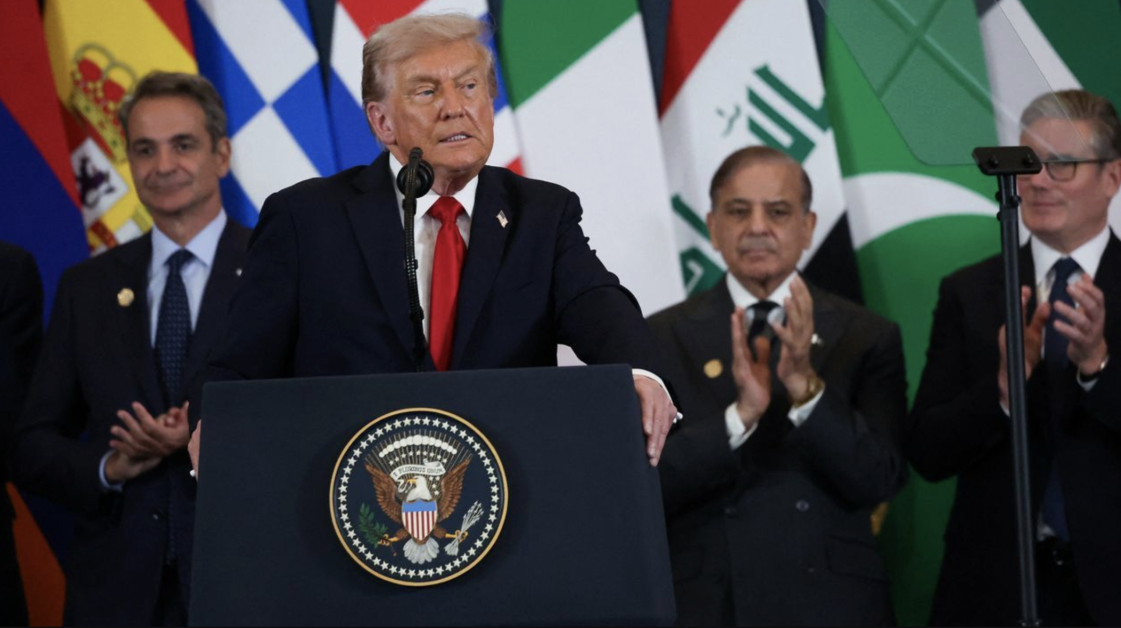
Trump’s tariffs on Chinese goods in 2018-2019 weren’t just about steel or electronics; they included discussions on supply chains critical to defense and advanced technology. Rare earths became a bargaining chip — a reminder that industrial supply chains are as much geopolitical as they are commercial.
2. Domestic Production Incentives
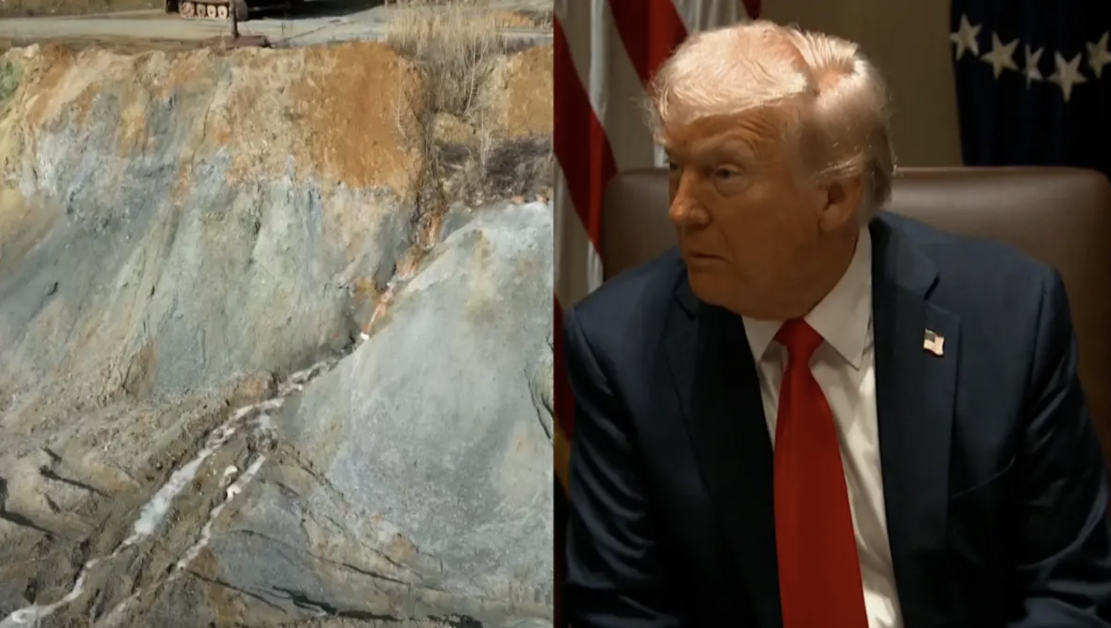
The administration supported domestic mining and refining projects, particularly in Mountain Pass, California, and partnerships with allies like Australia and Canada. The idea: reduce dependence on China, even if costs would be higher.
3. Strategic Stockpiles
Policies encouraged stockpiling rare earths to buffer against potential supply disruptions — an insurance policy against geopolitical risk.
China’s Dominance and Strategic Response
China’s advantage is structural: decades of investment, cheap labor, and refined processing facilities give it near-monopoly power. During Trump’s tenure, China signaled that it could restrict rare earth exports in retaliation for tariffs or trade disputes, reminding the world how concentrated this supply is.
Key Chinese strategies included:
Consolidating domestic mining companies into state-owned giants.
Offering subsidies to secure global mining rights.
Controlling export quotas strategically to influence global markets.
Global Implications
For Investors
Tech sector sensitivity: Companies reliant on magnets, batteries, and semiconductors face supply chain and cost risks. ETFs and mining stocks tied to rare earths often spike during geopolitical tensions.
Diversification opportunities: Countries outside China (Australia, US, Canada, India) may present emerging investment avenues.
For Governments
National security: Rare earth dependency impacts defense, aerospace, and renewable energy security.
Supply chain resilience: Policies now often include building strategic reserves, encouraging domestic mining, and forming alliances to reduce overdependence.
For the Economy
Inflationary pressures: Restricting rare earth exports can raise costs for electronics, EVs, and green energy sectors.
Technological innovation: High costs drive recycling, innovation in substitutes, and investment in alternative materials.
Lessons Learned: A Timeless Perspective
Geopolitics Drives Supply Chains: Rare earths highlight how international politics directly influence industrial production and investment.
Diversification is Key: No country, investor, or industry can afford to be reliant on a single supplier for critical materials.
Strategic Reserves are Smart Policy: Stockpiling essential inputs mitigates sudden shocks from trade wars or sanctions.
Global Collaboration Matters: Partnerships with allies reduce vulnerability and stabilize supply.
Even years later, discussions initiated during Trump’s presidency continue to shape policies, investor behavior, and global strategies. The rare earth narrative is far from over — it’s an evergreen topic for anyone tracking geopolitics, technology, or market strategy.
FAQs
Q1: Why are rare earth materials so strategically important?
A: REEs are critical for defense, clean energy, and high-tech electronics. Their supply affects global security, technological competitiveness, and industrial growth.
Q2: Can the US fully replace China as a rare earth supplier?
A: Full replacement is unlikely in the short term due to cost and infrastructure challenges, but diversification with allies and recycling technologies can reduce dependence.
Q3: How do rare earths affect everyday consumers?
A: Indirectly, through higher prices for electronics, EVs, and renewable energy equipment if supply disruptions occur.
Q4: Will the rare earth conflict end soon?
A: No. It is a structural issue rooted in decades of investment and geopolitics. Strategic planning, innovation, and alliances will determine future flows.
Key Takeaway
The Trump-era rare earth strategy is a case study in how geopolitics, economics, and technology intersect. Nations, investors, and companies that recognize the strategic importance of these materials — and act proactively — will be best positioned to weather supply shocks and gain competitive advantage.
Rare earths are more than minerals; they are timeless barometers of industrial power and global strategy.

Stay updated with our latest news and articles. Join our newsletter!
Trending Now
No trending posts found.